Sustainability & Ethics
Alternative Feeds and Sustainability in Fish Farming
Insect meal, algae oil, plant proteins and by-products: what farmed fish are eating instead of wild fish, and what it means for you
Sourcing, certifications and ethics behind responsible seafood choices.
Insect meal, algae oil, plant proteins and by-products: what farmed fish are eating instead of wild fish, and what it means for you
How catching, holding and killing methods affect fish, and what shoppers can ask
Why some farmed fish eat wild-caught fish, how that is changing, and how to choose farmed seafood with less feed impact
What the term means, which parts of it affect the seafood you buy, and how to spot hype
Why trawled fish is both a staple at the fish counter and a lightning rod for criticism
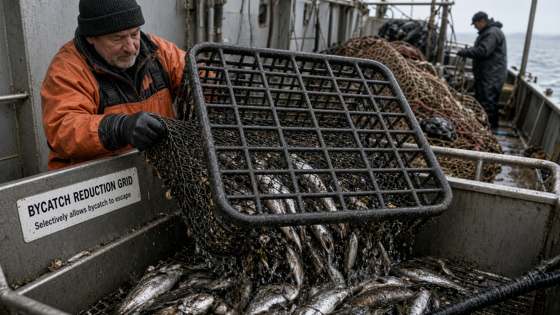
Unwanted catch is one of the main reasons fishing gear matters when you buy fish
What happens to the heads, frames, skins and shells left over when fish is filleted, and how you can use more of what you buy
How volunteers, anglers and divers contribute observations that help managers, and what that means for seafood
Warmer water is moving fish, and the species at your fish counter are starting to follow
Shells, bones and scraps can return to the soil, but only if you handle odor, pests and local rules properly
The ratings, labels and questions that work, and a simple routine for the fish counter and the freezer aisle
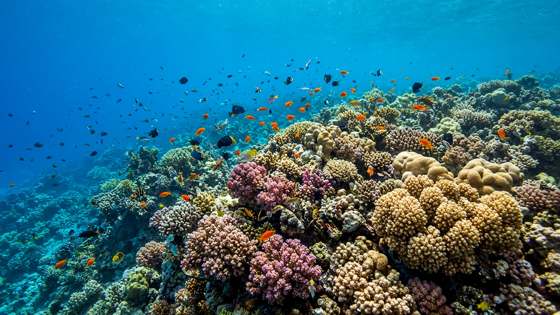
Reef fish can be delicious and vulnerable, so sourcing matters more than the species name
Managing the whole food web rather than one fish at a time, and what that changes for shoppers
How lobsters, crabs and shrimp are killed, what welfare science says, and what you can do in your own kitchen
Programs that add worker welfare and community benefit to the sustainability conversation
How seafood scraps and spoiled stock become useful products, and how your own habits can cut food waste at home
A fishery on the way to better practices is not the same as one that has arrived
What governments are trying to change about fishing subsidies, and how it could affect seafood supply and prices
Why a local label tells you less about climate impact than how the fish traveled and was caught
What forced labor looks like on boats and in plants, and why it is hard to see from the fish counter
How government help with diesel can keep unprofitable fishing going, and what shoppers can do about it
Lost nets and traps keep catching marine life, and some of the fix starts with sellers and buyers
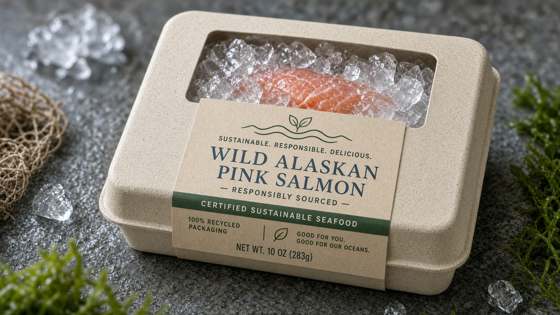
Vague claims, lookalike logos and half-truths on seafood packaging, and a checklist for telling real from marketing
What responsible sourcing looks like on a menu, and the questions that let you check it before you order
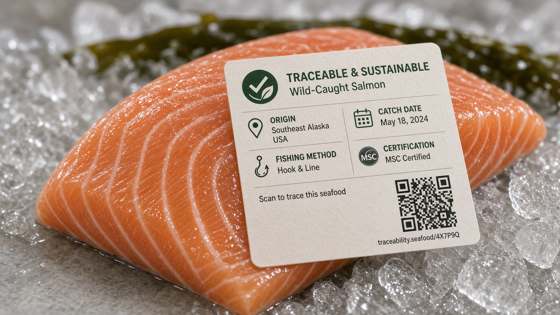
Illegal, unreported and unregulated catch can slip into supply chains, and a few habits lower your chances of buying it
Treaty rights, traditional stewardship, and how to buy seafood in ways that respect both
Why kelp matters for fish and the climate, what scientists are still working out, and what it means for seaweed products
Fishing is among the hardest jobs in the world, and the seafood you buy is part of that story
What happens to lobsters, crabs and fish shipped alive, and how to make sense of it at the fish counter
How coastal forest loss became tied to the shrimp in your freezer, and what to look for instead
Closed zones in the ocean can look like a loss for fishing, yet they often feed back into the catch
How governments decide who uses which stretch of ocean, and why that affects fishing, farming and local supply
The idea behind many catch limits, why it is debated, and how it affects the fish you can buy
A short action plan for shoppers who want to keep abusive labor out of their dinner
Why a change in seawater chemistry matters to the oysters, mussels and crabs you cook
Why some fish stocks decline, and how your buying habits can nudge things the right way
How ordinary shoppers can influence fishing rules, labeling and trade policy, without being an expert
Recovery plans can bring struggling species back, but they change what is available and what it costs
Why seafood is wrapped in so much plastic, what each pack does, and practical ways to cut waste without risking freshness
Solar, wind assist and hybrid engines are appearing on boats, and what that does and does not mean for your seafood
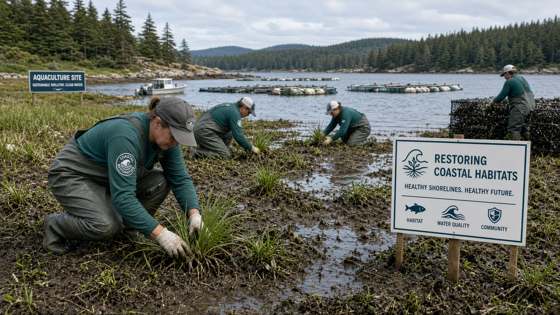
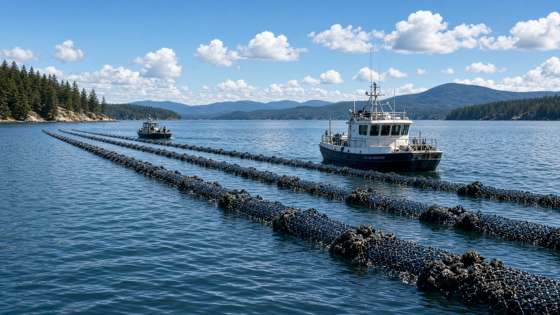
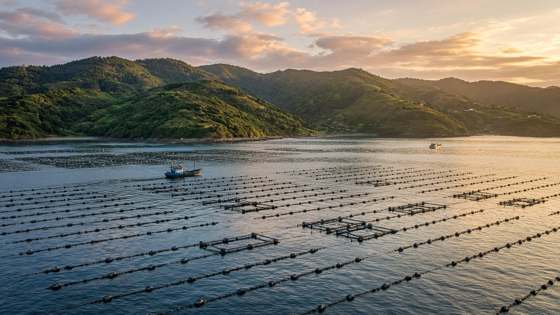
How oyster, mussel and seaweed farms can benefit water and habitat, and how to buy their products
How to read supermarket promises, what independent checks exist, and how to see past a glossy policy
Fuel, feed and freight drive the climate cost of fish, and the differences between choices are real
Why smaller boats are not automatically greener, and what they do offer the shopper
What each label covers, what it leaves out, and how much weight it deserves at the counter
Affordable, well-sourced fish and shellfish, with tricks for frozen, canned, whole and in-season shopping
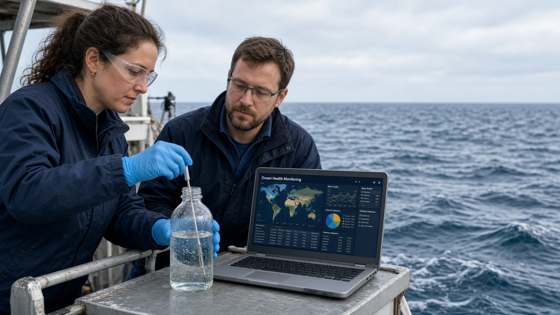
Satellites, ship tracking, cameras and DNA: how new tools watch fishing and what that means at the fish counter
Who rates, certifies, campaigns and monitors, and how to understand their influence on what is in the store