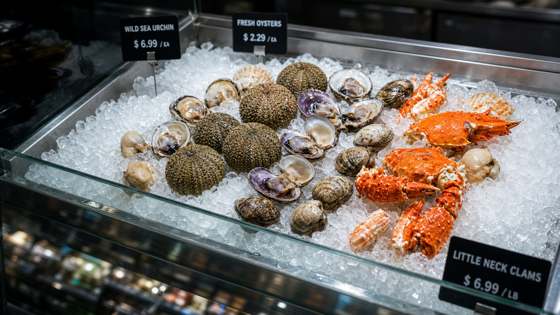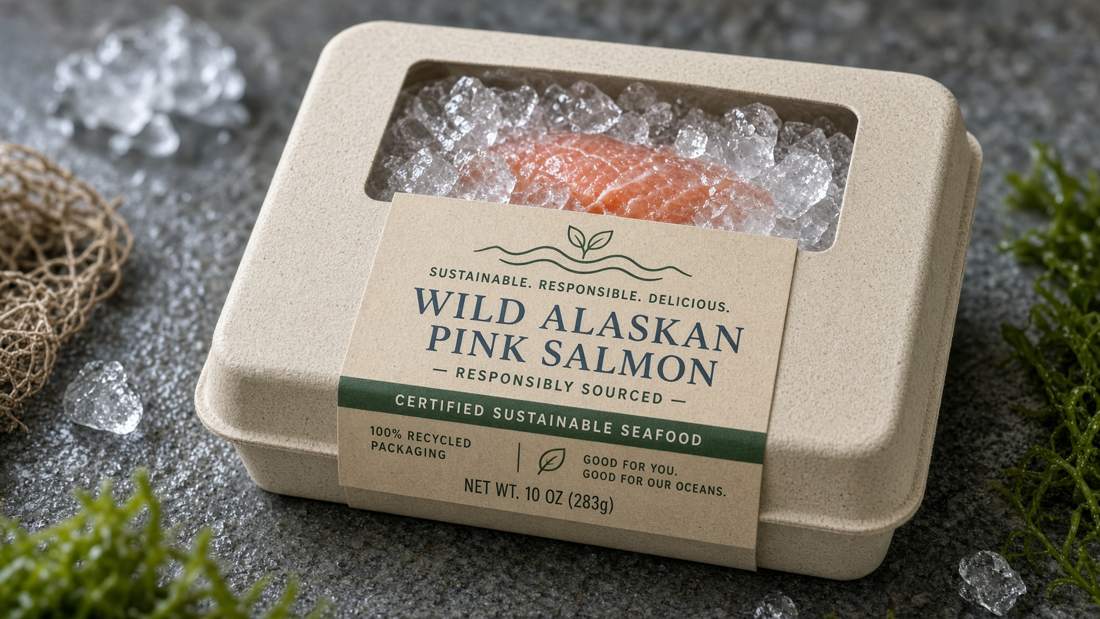
Byproduct utilization in seafood processing means finding a use for the heads, bones, skin, trimmings, viscera and shells left after the part we usually eat has been removed. For many species the edible fillet is only part of the animal, so what happens to the rest affects cost, waste and the environment.
What byproduct utilization in seafood processing looks like
The proportion of a fish that ends up as fillet varies widely by species, size and processing method, so treat any single figure with caution. What is left can be turned into a range of products:
- Fish meal and fish oil, used in animal and aquaculture feed and in omega-3 supplements.
- Collagen and gelatin from skin and scales, used in foods and other products.
- Chitin from crab and shrimp shells, which is processed into materials such as chitosan.
- Pet food, fertilizer and, increasingly, biogas or other energy uses.
- Food products including fish sauce, stock, broth, fish skin snacks and pates.
Why it matters to shoppers
Price and availability
When a processor can sell trimmings, the whole fish is worth more, and that can help keep fillet prices steady. When byproducts are thrown away, the cost does not disappear; it is built into the price. For more on the economics of waste, see fish waste to value and the circular economy.
Sustainability
Using more of each animal reduces pressure to catch more. The FAO has highlighted the importance of reducing losses and waste along the seafood chain, and it encourages fuller use of what is caught.
Using byproducts in your own kitchen
- Ask your fishmonger for heads and frames from fish they fillet. Simmer them gently with aromatics for a light stock, and strain well.
- Save shrimp shells in the freezer and simmer them for a quick bisque base or sauce.
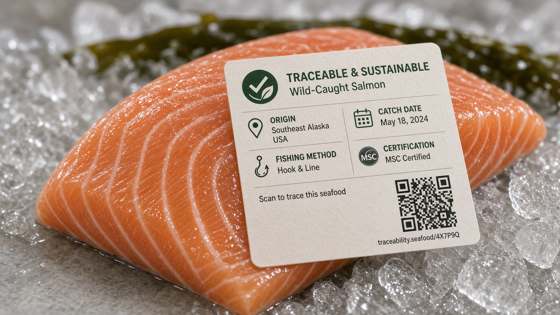
- Crisp salmon skin in a hot pan with salt for a snack or salad topping.
- Buy whole fish occasionally, which is often cheaper per pound and gives you more to work with.
Some fish, such as larger oily species, make better stock than others, and strong oily frames may taste fishy if simmered too long. Keep the simmer short, about twenty to thirty minutes, and freeze stock in portions. Our guide to composting seafood waste covers what to do with what is left, and sustainable seafood on a budget has more money-saving ideas.
Reading labels for byproducts
Most byproduct products reach you indirectly. Fish oil capsules, pet foods, gelatin in desserts and some fertilizers may come from processing leftovers, though labels rarely say so. If you buy omega-3 supplements, look for the species and any third-party sustainability or purity claim, and remember that supplement labels are not a substitute for advice from your doctor or pharmacist. Fish sauce is a good everyday example: traditionally it is fermented from small fish or trimmings and salt, and a few drops add savory depth to soups, dressings and marinades.
Is byproduct utilization in seafood processing safe to try at home?
Yes, when the fish is fresh and properly cooked. Skin should be scaled and well dried before crisping. For advice on which species to eat less often because of contaminants, consult the FDA advice about eating fish, since some contaminants concentrate in fat and skin.
Looking for the whole-fish approach
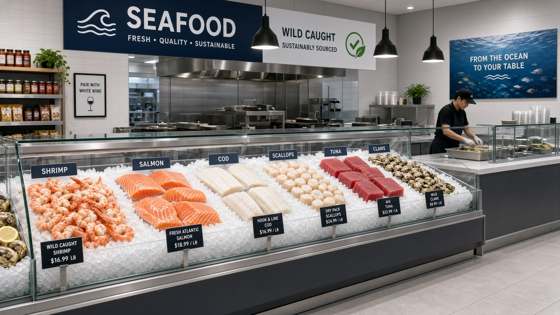
When you see a counter selling collars, cheeks or frames, that is byproduct utilization in seafood processing at work on a small scale. For species and sourcing information, see FishWatch. Using more of what you buy is one of the easiest ways to stretch a seafood budget and cut waste.