Composting seafood waste is possible, but fish scraps behave very differently from vegetable peelings: they smell strongly, attract rodents, gulls and neighborhood cats, and can be refused outright by municipal programs. A little planning decides whether your shells and bones become soil or a nuisance.
Check the rules before composting seafood waste
Many city food-scrap collection programs accept meat, fish and shellfish, because industrial composting reaches higher temperatures than a backyard heap. Others exclude them. Rules differ from town to town, so check your local waste authority's current list before you put anything in the bin. Backyard composting guidance often also advises against fish and meat, mainly because of pests and odor.
What can and cannot go in
Usually easier to handle
- Crab, lobster and shrimp shells, rinsed and broken into small pieces. They break down slowly but contain nutrients that plants can use.
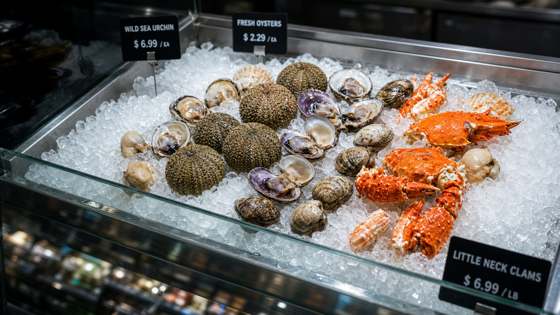
- Oyster, clam and mussel shells, which are mostly calcium carbonate. They will not rot like food but can be crushed and added in small amounts as a soil amendment.
Harder to handle
- Fish heads, skin, guts and bones, which are rich and smelly and need a hot, well-managed system or a municipal program.
- Cooked leftovers with oil, sauce or butter, which attract pests.
- Any fish that has gone off and is sitting in the refrigerator. Wrap it well and throw it into the proper bin on collection day.
Practical options
Collect and freeze until pickup
If your town takes seafood scraps, store them in a sealed container in the freezer until collection day. This stops odor and flies and is the simplest approach for most households.
Bokashi and indoor fermentation
Bokashi systems ferment food scraps, including fish, in a sealed bucket with a starter. The result is pre-compost that is usually buried in soil or added to a compost heap to finish. Follow the manufacturer's guidance and keep the bucket sealed.
Deep burial and shell recycling
Some gardeners bury scraps deep in a trench away from vegetable roots, though pests may still dig. Some coastal areas also run oyster shell recycling programs that return shells to reef restoration projects, so ask a local seafood restaurant or shellfish farm whether one operates near you.
Cutting what you throw away in the first place
The best waste is the waste you do not create. Use shells and frames for stock, as described in byproduct utilization in seafood processing, and read fish waste to value for ways to keep more seafood out of the bin. The EPA guidance on choosing fish and shellfish and the FishWatch site help you choose what to buy; your local waste authority tells you what to do with what is left.
Is composting seafood waste safe for a vegetable garden?
Finished compost made in a hot, managed system is generally fine, but raw fish scraps buried near edible plants can attract animals and smell for weeks. If you bury scraps, dig deep, cover well and keep them away from crops you will eat raw. Never add fish scraps to a cool, slow backyard heap that you rely on for vegetable beds unless you are confident it heats up properly. Wash your hands and tools after handling raw seafood waste, and keep it away from pets.
Shells are a different story. Crushed oyster shell is used by some gardeners as a slow-release calcium source, particularly for acidic soils, but it works slowly and you should use it sparingly and follow local garden advice. Whole shells will sit in a compost heap for a long time, so crush them with a hammer inside a cloth bag first.
Finally, remember that compost is not the same as disposal of contaminated food. If you have a bad batch of seafood that made someone ill, bag it, bin it and clean the area thoroughly.
A simple rule of thumb
When composting seafood waste, rinse, crush, seal, freeze and use the system your town provides. If none exists, shells are the easy win and fish scraps are best left to a professional composter.