Ocean acidification is a gradual drop in the pH of seawater caused mainly by the ocean absorbing carbon dioxide from the atmosphere. NOAA explains the chemistry on its ocean acidification page: when carbon dioxide dissolves in seawater it forms acid, which reduces the carbonate that many sea animals use to build shells and skeletons.
How ocean acidification hits shellfish
Oysters, clams, mussels, scallops and some crustaceans build shells from calcium carbonate. When seawater has less available carbonate, young animals have to spend more energy making shell, and in some cases larvae struggle to survive. The earliest life stages are the most vulnerable, which is why the effects have been seen first in hatcheries that raise baby shellfish.
Ocean acidification and the Pacific Northwest oyster story
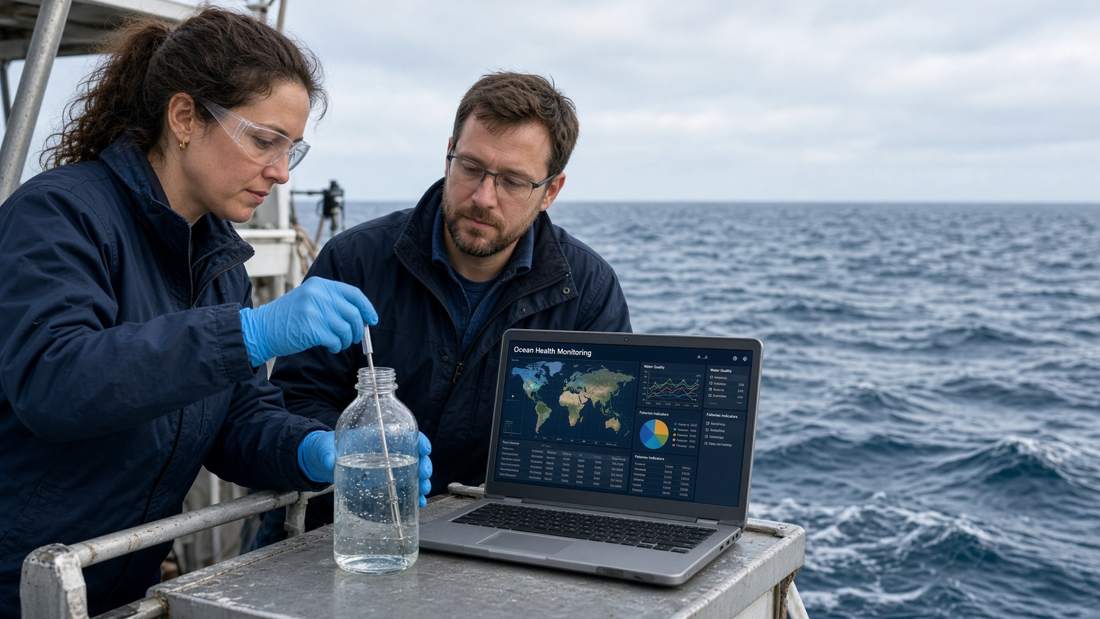
In the 2000s, oyster hatcheries on the US Pacific coast experienced large die-offs of larvae, and researchers linked the problem in part to corrosive seawater. Hatcheries responded by monitoring water chemistry and adjusting the water they use, for example by timing when they bring in seawater or adding buffering. NOAA's overview at its ocean acidification insight page describes the broader concern for fisheries and aquaculture.
What it could mean for the shopper
- Higher costs for oyster and clam seed, which can feed through to menu and market prices over time.
- Regional differences, since some coastal waters are more affected than others.
- Possible changes in growing locations and timing.
- A greater need for monitoring to keep supply steady.
Not every shellfish is equally affected, and some species and populations appear more tolerant than others. The research is still developing, so treat any prediction for a specific species with caution.
How to keep enjoying shellfish responsibly
- Choose farmed bivalves from reputable growers, which are typically rated well by guides such as Seafood Watch.
- Ask where oysters or clams were grown and when they were harvested.
- Be flexible with varieties and sizes, because growers may change what they raise.
- Support farms that monitor and report water quality.
The bigger picture
Crabs and lobsters are also being studied, since their shells are built differently and their responses appear to vary by species and life stage. Fish are less directly dependent on carbonate, but changes in the food web can still reach them. Because this is an active research area, expect guidance to evolve.
Which shellfish are most exposed
Bivalves such as oysters, clams, mussels and scallops are the best-known examples because they build calcium carbonate shells and, as larvae, they are particularly sensitive. Pteropods, tiny sea snails that are food for some fish, are also studied as an early warning. Crabs, lobsters and shrimp make their shells differently and show varied responses, so the picture for them is less clear. Wild harvests and farms in different regions may feel different effects, depending on local water chemistry, upwelling and freshwater input.
Why hatcheries are the front line
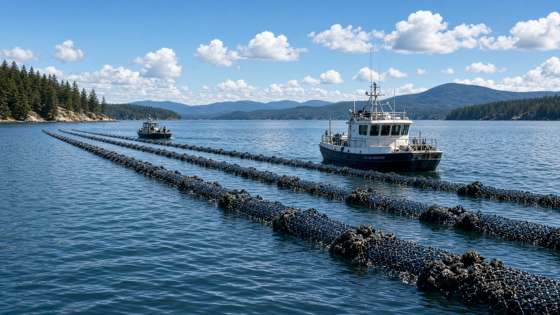
Many oyster farms buy tiny seed from hatcheries. If larvae fail to build their first shells in the water, there is less seed to grow out, which can reduce the number of oysters that reach the market a year or two later. Hatcheries that monitor seawater chemistry and adjust conditions can protect their stock, though this adds cost. NOAA and state programs publish information on coastal water monitoring, and growers often take part.
How it may show up at the fish counter
- Fewer local oysters in a poor year, with more coming from other regions.
- Price differences between regions, since some areas have more monitoring and adaptation tools.
- Smaller or thinner shells in some batches, which does not make the meat unsafe but may change yield.
- More emphasis on farms that can control their water.
None of these effects is guaranteed in any given store. Seasonal weather, disease, harvest closures and demand also move prices, so avoid blaming a price change on acidification alone.
What to look for when you buy oysters, clams and mussels
- Live shellfish should have tightly closed shells, or ones that close when tapped.
- Shells should smell of the sea and feel heavy for their size.
- Ask for harvest information. Tags should show where and when the shellfish were harvested.
- Keep shellfish cold and covered with a damp cloth, not sealed in water or airtight plastic.
- Discard any that stay open after tapping or have broken shells.
Cooking with shellfish when supply varies
Home cooks can stay flexible. If oysters are scarce or expensive, mussels and clams often cost less and make excellent steamed dishes, chowders and pasta. Frozen or canned bivalves, such as canned clams for chowder or smoked mussels, are steady alternatives. Keep a few easy recipes in rotation so a change at the counter does not derail dinner. Safe handling guidance from FDA covers shellfish storage and cooking, and local advisories tell you if harvest areas are closed.
What you can do beyond the counter
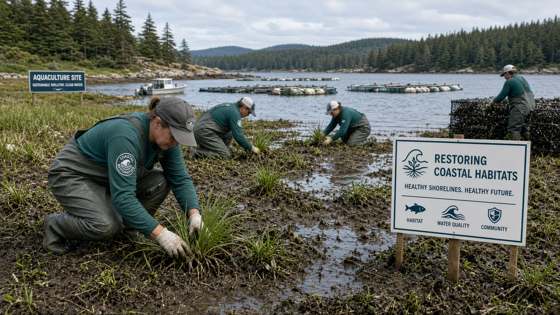
Shoppers cannot change seawater chemistry directly, but supporting well-run shellfish farms, which also filter water and provide habitat, is one way to back communities that are adapting. Reducing your own energy use and carbon footprint addresses the underlying cause.
Ocean acidification connects to other pressures like warming and shifting fish stocks and to food safety topics such as shellfish harvest area classifications, which are about contamination, not chemistry. The causes lie outside the seafood industry, so the main long-term fix is cutting carbon emissions. Meanwhile, good monitoring and adaptive farming keep oysters and clams on the table, and paying attention to ocean acidification helps you understand why prices and supplies sometimes shift.