Policy advocacy for sustainable seafood means speaking up so that laws, fishing rules and labels support healthy fish stocks and fair treatment of people. You do not need to be a scientist or lobbyist: public comment, local meetings and consumer pressure all play a part in how fisheries are run.
Where decisions about seafood are made
Federal fisheries law
In the United States, the Magnuson-Stevens Fishery Conservation and Management Act is the main law governing federal marine fisheries. It sets standards such as preventing overfishing and rebuilding depleted stocks. NOAA publishes the text and summaries on its Magnuson-Stevens Act page, and the overview of U.S. fisheries management explains how the system works.
Regional councils and state agencies
Regional fishery management councils draft many federal fishing rules, and they hold public meetings where anyone can attend or submit comments. State agencies manage waters close to shore and set rules on shellfish, licenses and seasons.
Trade and international bodies
Import rules, subsidy agreements and international fishing treaties also shape the market. See fisheries subsidies reform for an example of a trade-based reform.
Practical steps for policy advocacy for sustainable seafood
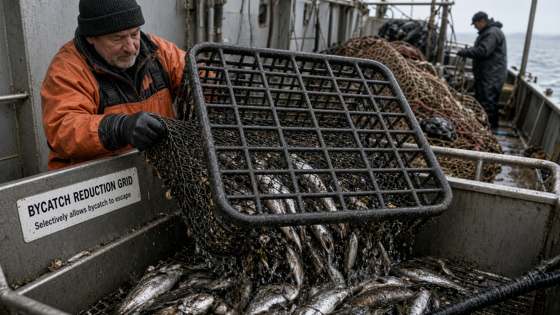
- Pick one issue you care about, such as bycatch, labeling or forced labor, and learn the basics from reliable sources.
- Find out which body decides it and when comments are open. Agencies announce proposed rules for public comment, and the notice says how to respond.
- Write a short, specific, polite comment. Personal experience as a shopper or cook is valid, and facts with sources carry more weight.
- Contact your elected representatives about labeling, enforcement funding and import controls.
- Support groups that work on issues you care about, and check their record first. See the role of NGOs in fisheries.
Does your wallet count as policy advocacy for sustainable seafood?
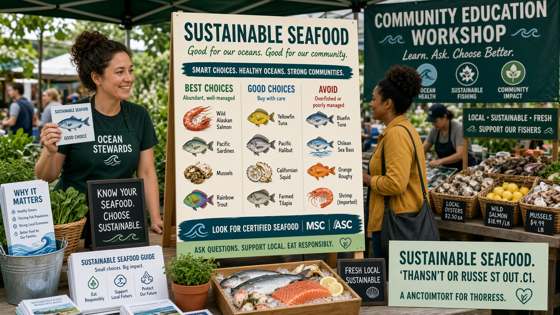
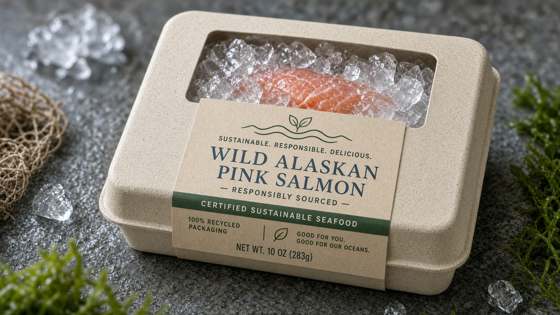
Partly. Buying certified or well-rated seafood sends a market signal, and asking retailers for information shows demand; see retailers' sustainability commitments. But markets alone cannot fix weak laws, which is why public comment and voting matter too.
What makes a public comment effective?
Short, specific and factual. Say who you are in a sentence, state which proposal you are addressing, say what you support or oppose and why, and suggest a change if you can. Comments that repeat a form letter word for word tend to be counted rather than read closely, while individual comments that raise a new point or a local detail are more likely to be noticed. Always meet the deadline, since late comments may not be considered.
You can also attend meetings in person or online. Fishery councils and many state commissions publish agendas in advance, and public comment periods are usually listed. Even listening teaches you how decisions are made and which concerns carry weight, from stock science to the economics of fishing communities.
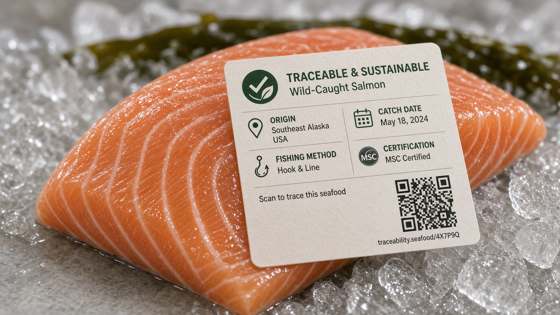
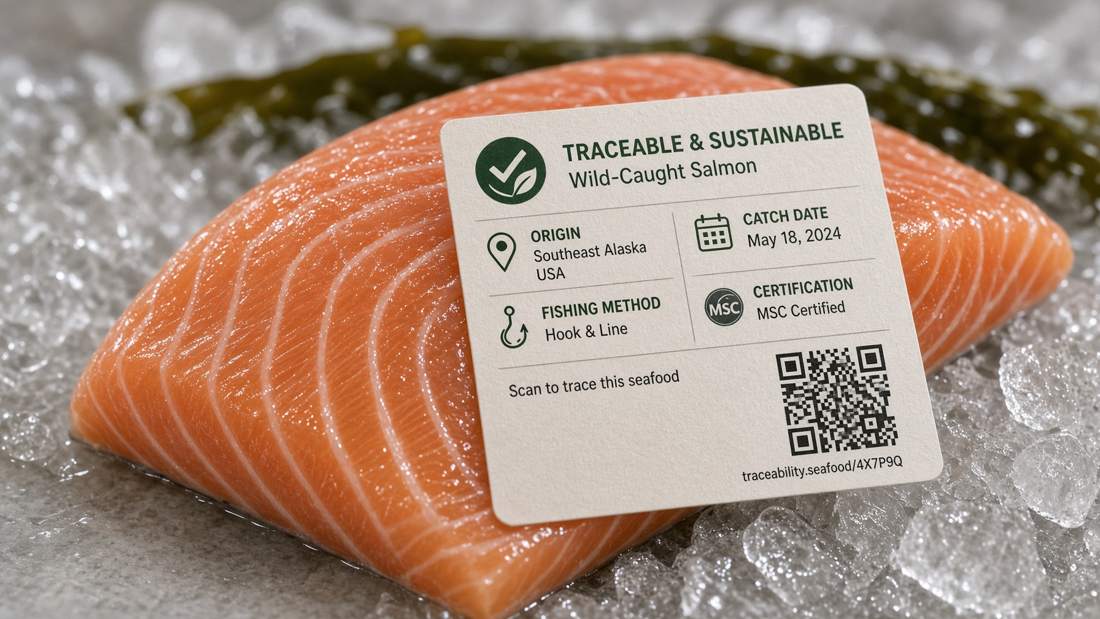
Labeling is another practical area. Rules on country of origin, species names and traceability affect what you can learn at the counter, and agencies review them periodically. Our guide to country-of-origin labeling shows what the current rules provide. If you feel the labels do not tell you enough, say so.
Finally, remember local policy. City councils decide on waterfront zoning, markets and food-waste programs, and small changes there can support local fishers and cut waste. Sustainable seafood is a long chain, and there are many places to take part.
Staying credible
Base your arguments on current sources such as FishWatch and the FAO, avoid exaggeration, and acknowledge that fishers and communities have livelihoods at stake. Advice that balances the ocean's health with fair treatment of people is more likely to be heard. Rules and processes change, so check the agency's current instructions before you comment.
In short, policy advocacy for sustainable seafood is a long game of small, informed contributions, and a few well-aimed comments from shoppers can be more influential than most people expect.