The role of NGOs in fisheries is larger than many shoppers realize: non-governmental organizations run the most recognizable seafood ratings and labels, campaign on illegal fishing and labor abuses, support fishery improvement and publish data. Knowing what each group does helps you decide how much weight to give its claims.
What NGOs do in seafood
Ratings and guides
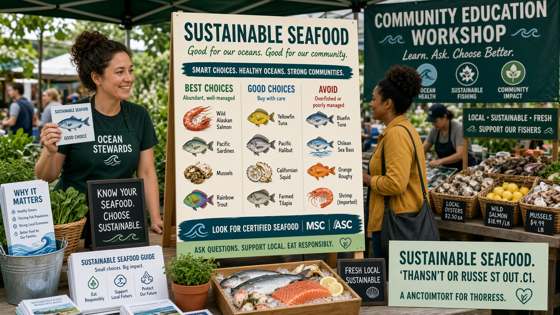
Seafood Watch, a program of the Monterey Bay Aquarium, assesses wild and farmed seafood and publishes recommendations that consumers and businesses can use. It is advice, not a label on the pack, and ratings differ by region and method.
Certification
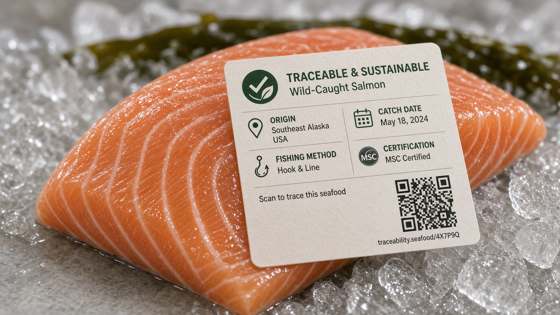
The Marine Stewardship Council and the Aquaculture Stewardship Council are independent non-profit organizations that run certification standards for wild fisheries and farmed seafood. Independent auditors, rather than the councils themselves, carry out the assessments. Our article on sustainable fishing certifications compared sets out the differences.
Campaigning and watchdog work
Some groups investigate illegal fishing, bycatch or labor conditions and publicize findings, which can push companies and governments to act. Others work with industry, giving them different roles and levels of criticism. Both approaches have supporters and critics.
Improvement projects and community work
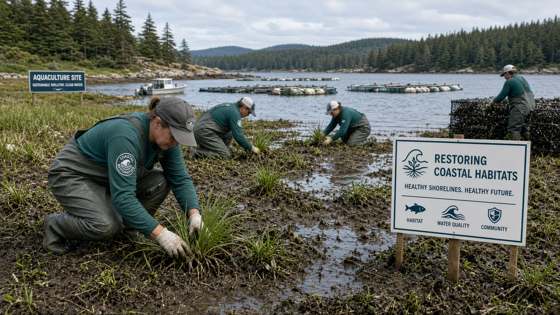
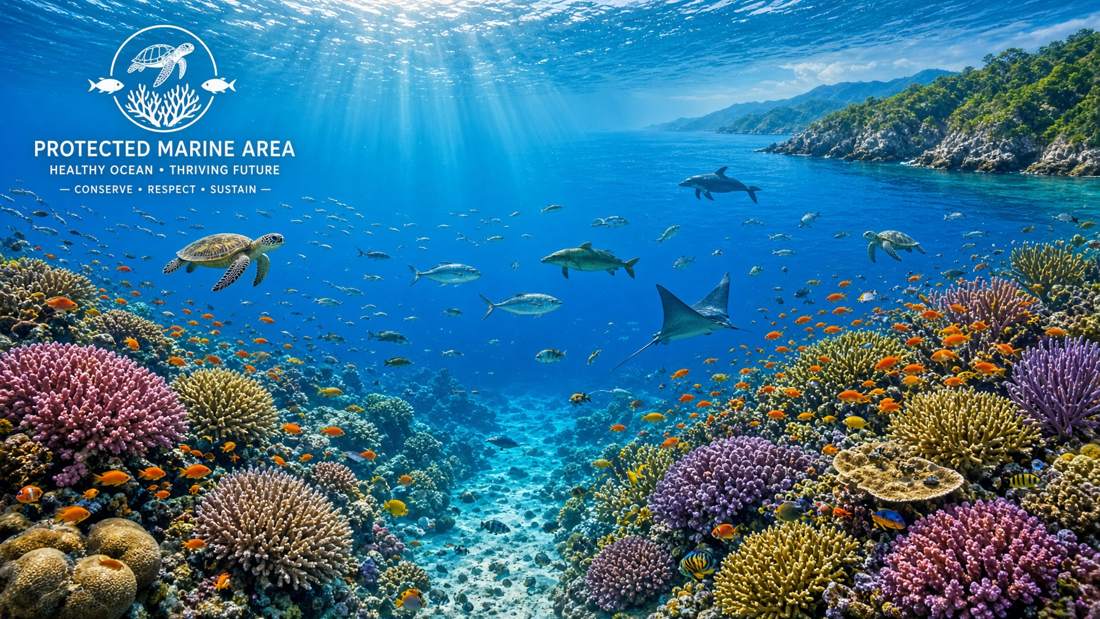
Many NGOs partner with fishers on improvement efforts; see fisheries improvement projects. Others support small-scale fishers, local marketing and conservation areas.
How to weigh the role of NGOs in fisheries
- Check who funds the group and how it is governed. Most publish annual reports.
- Compare ratings and labels from different groups; where they disagree, read the reasons.
- Distinguish advice (a rating guide) from a verified label (a certification mark).
- Treat campaign material as advocacy, which may be accurate but is selective by design.
Is the role of NGOs in fisheries the only source of information?
No. Government science agencies publish stock assessments and management information, such as NOAA's FishWatch, and the FAO reports on global fisheries. Using NGO guidance alongside government data gives a fuller picture.
Where do NGOs and governments work together?
Often. Many groups advise regulators, supply data to stock assessments, help design protected areas, and train fishers in safer or more selective gear. Some run observer programs or help communities set up co-management arrangements in which fishers share responsibility for local rules. Government science agencies and NGOs may disagree, but collaboration is common, especially on research and improvement projects.
It is also fair to note that NGOs differ in approach. Some work with companies to change practices from within, while others take an outside, campaigning stance. Neither is automatically right. Sometimes the same issue, such as the strictness of a certification or the use of a particular fishing method, is judged differently by different groups. Reading more than one viewpoint will serve you better than relying on one headline.
Funding is worth a quick look. Many NGOs rely on donations, grants and, in the case of certification schemes, fees paid by those who want certification. Good organizations are open about this and have rules to keep assessments independent. If you cannot find information about funding, governance and how decisions are made, treat that as a caution flag.
Using it in your shopping
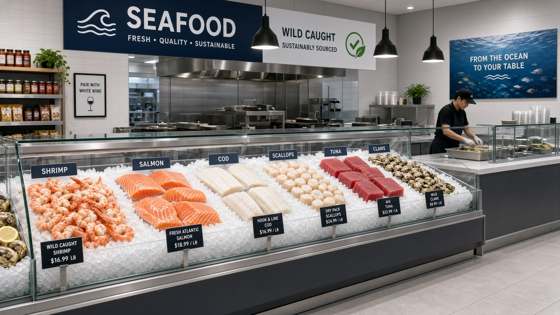
Pick one rating guide and one label you trust, learn what they cover, and use them consistently. For practical routines, see choosing sustainable seafood. The role of NGOs in fisheries is to supply independent information and pressure, and your questions at the counter make that work count.