Small-scale fishers work from small boats or from shore, often close to their home ports, and they make up a large part of the world's fishing workforce. The FAO has published extensively on the sector and its role in food security and livelihoods, with material available through its fisheries pages.
What small-scale fishing looks like
The category is broad. It includes people fishing with hand lines, small nets or traps from small boats, and families that sell their catch directly. Definitions differ by country, so a "small boat" in one place might be large in another. It also includes many women who work in processing and selling the catch, whose role is easy to overlook.
Strengths of small-scale fishers
- Shorter trips and smaller boats often mean fresher fish and lower fuel use per trip.
- Gear is often selective, such as hook-and-line, which can reduce bycatch.
- Fishers frequently have deep local knowledge of the water and the seasons.
- Income tends to stay in coastal communities, as described in the community multiplier.
Where small-scale fishers face challenges
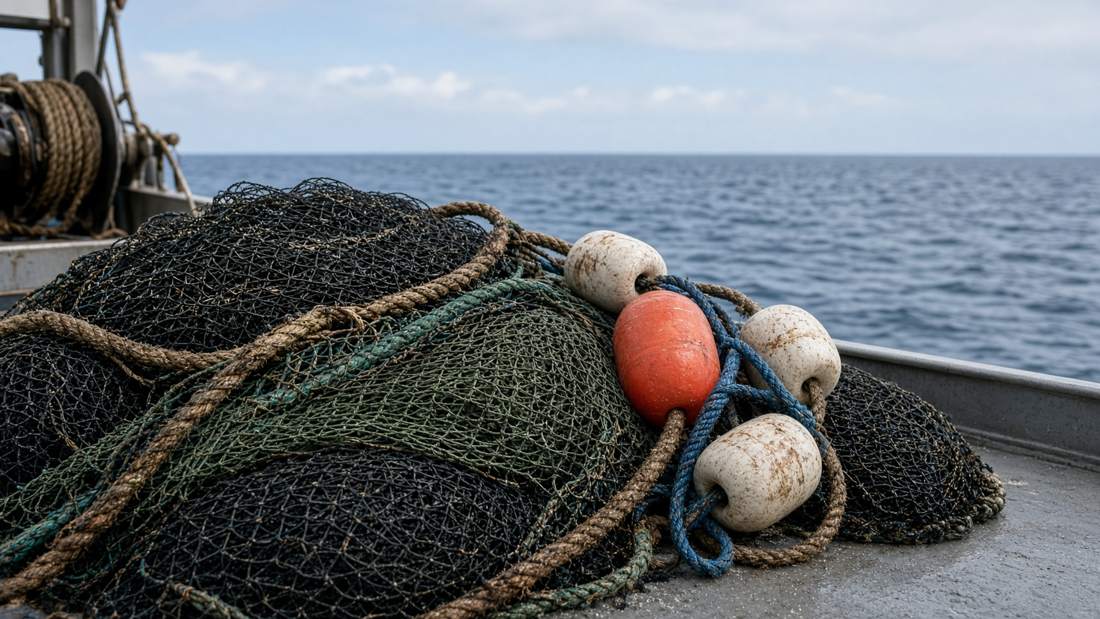
Small does not guarantee sustainable. A large number of small boats can still overfish a stock, and gear such as certain nets can catch non-target animals. Many small-scale fisheries have little data and limited management, which makes them hard to certify even when they fish carefully. Small-scale fishers also face competition from big vessels, and a lack of access to markets, storage and ice. These constraints are part of why fisheries improvement projects can be useful.
Why certification can be hard for small-scale fishers
Formal standards need data, audits and paperwork that cost money. This can make small-scale fisheries look worse on paper than they are, which is a reason to consider ratings and direct conversations in addition to labels. See our certifications comparison for how labels work.
How to buy well from small boats
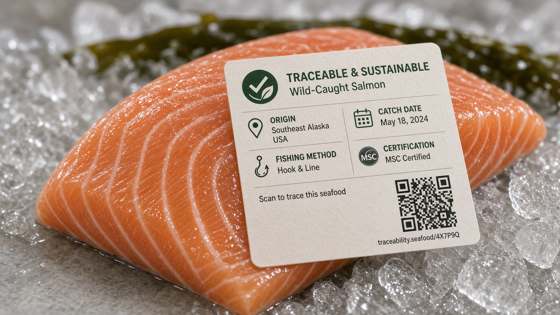
- Ask about the gear and the area. Hook-and-line, pots and traps are often good signs, but check the species and status on FishWatch.
- Look for community supported fisheries and direct sales, see CSFs explained.
- Check that the seller can name the boat or the port.
- Be ready for variety. Small-scale landings are often seasonal and mixed.
Small-scale does not have to mean expensive. Buying in season, taking the whole fish instead of fillets, and being flexible about species can keep costs close to the supermarket, and many small boats sell the less famous species at friendly prices.
Questions to ask the seller about a small-boat catch
- What species is this, and where was it caught?
- What gear did the boat use?
- When did it come in, and how was it kept cold?
- Is the species in season and plentiful, or is it under pressure?
- Is this fish sold direct, or did it pass through a dealer?
Clear answers are a good sign even if they are not backed by a formal label. Vague answers on every question suggest a closer look.
Handling matters as much as size
A small boat can deliver wonderful fish if the catch is bled, iced quickly and kept cold; poor handling spoils it no matter how it was caught. When you buy at a dock or market, check for ice, clean containers and a mild smell. Cook promptly and keep fish at 40 F or below.
Seasonal and mixed catches
Small boats often land what is available, so your choice changes through the year. This can be a pleasure, since you taste fish at its best and learn new species. It can also be inconvenient if you want the same fillet every week. Ask what is in season now and plan meals around it, using recipes that suit more than one species, such as baked fish with lemon and herbs or a simple chowder.
Prices, fairness and community
When you buy straight from a fisher, more of your payment reaches the person who caught the fish, though they also cover fuel, bait, maintenance and licenses. Paying a fair price helps keep small operations viable. If a price seems higher than the supermarket, remember what you are getting: shorter chain, fresher fish and often more information about where it came from.
Common questions
Are small-scale fishers regulated?
Yes, in most places they need licenses and must follow rules on seasons, size limits and gear. Details vary, so ask about local rules.
Is small-scale fish always local?
Not always; some small-scale seafood is exported. Check the label and ask the seller.
Can I check whether the stock is healthy?
For US species, FishWatch and NOAA stock assessments are a good start, and rating guides add a second view.
Choosing seafood from small-scale fishers can support fresher fish and coastal livelihoods. It works best when you pair that preference with the same questions you would ask anyone: what species, where, how, and how is the stock doing.