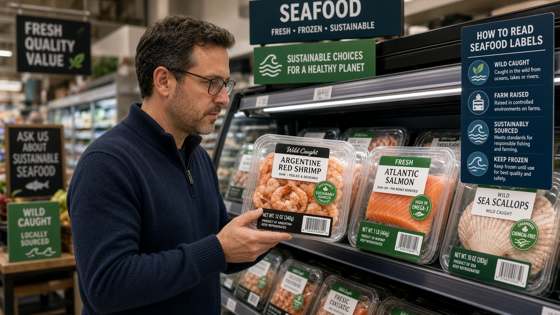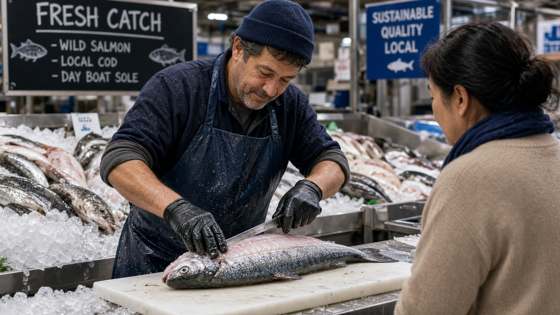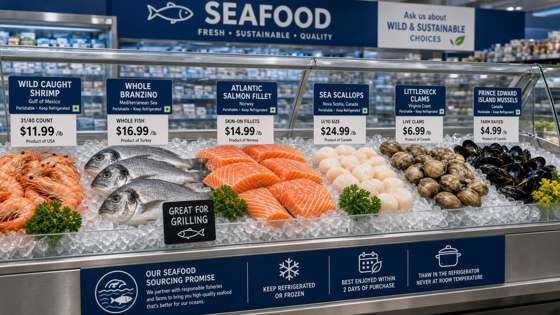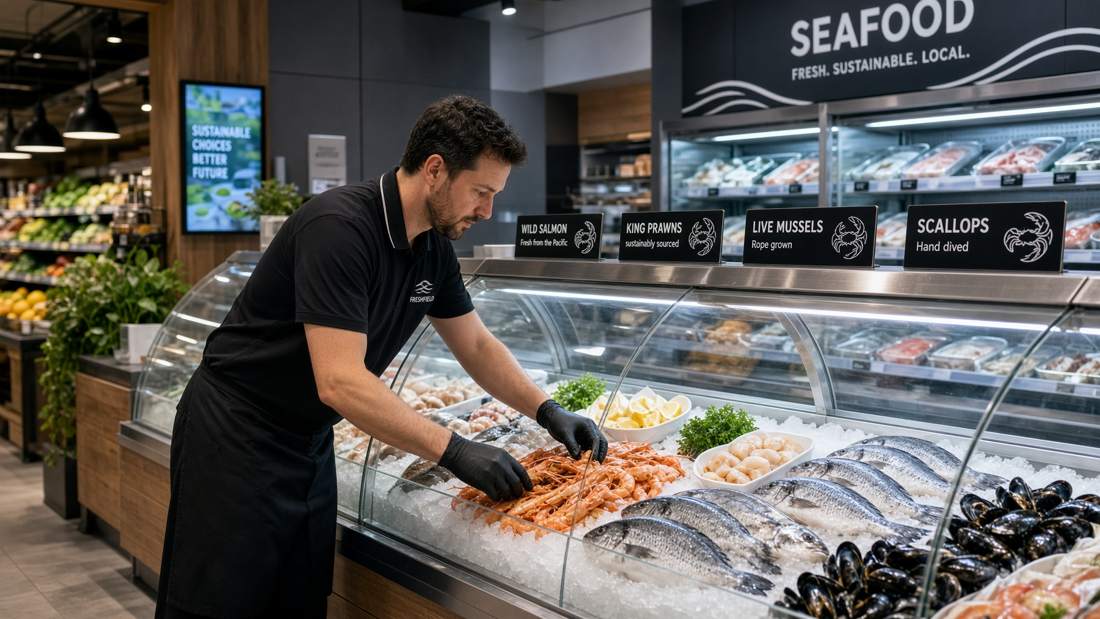
Community supported fisheries are the seafood version of a farm share: you sign up with a fishing business or cooperative, and you receive a portion of the catch on a regular schedule. If you want to know where your fish comes from and who caught it, community supported fisheries offer a direct and sometimes surprising way to eat more local seafood.
How community supported fisheries work
Most programs follow a similar pattern. You pay up front or per delivery for a share, and in return you collect or receive seafood during a season. What is in the box depends on what the fishers land. That might be one species for a few weeks, then a mix as the season changes. Some programs deliver to your door, while others use pickup points such as farmers markets or community centers.
Because members commit in advance, fishers get steadier income and can plan trips with a known demand. In turn, members get fish that is typically fresh, traceable and often cheaper per pound than specialty retail. Our local-shop guide what a CSF box actually contains covers the contents in more detail.
What you get, and what you give up
The benefits of community supported fisheries
- Fresh, local fish, often handled quickly after landing.
- Known source: the fisher or cooperative can usually name the boat, gear and area.
- Less common species you may never see in a chain.
- Recipes and cooking tips included by some programs.
The trade-offs
- Little choice. You get what was caught. If you dislike a species, you still receive it.
- Schedules. You need to collect on a set day and have space in the refrigerator or freezer.
- Commitment. Shares are often paid ahead for a season, so check refund and pause rules.
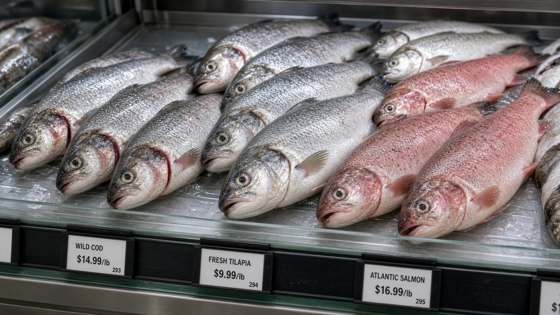
- Variable value. Value depends on the season and species. Compare it with what you normally spend, rather than assuming it is cheaper.
How to judge a community supported fisheries program
- Ask what a typical share includes. Weight, species and whether fish arrives whole, fillets or frozen.
- Ask about handling. Fish should be iced or chilled, and delivered cold. See ideal storage temperatures for fresh fish.
- Check the options. Some programs offer half shares, species preferences or non-allergen swaps. If someone in your household has a shellfish allergy, ask before joining.
- Look at sustainability. Ask about the fishery and the gear used, and compare the species with Seafood Watch recommendations.
- Read the terms. Payment schedule, missed pickups and what happens if the boat cannot fish.
Making the most of your share
The FDA advice about eating fish is a good reference for safe handling and serving. Plan to eat the most delicate fish within a day or two, and freeze the rest promptly in meal-sized portions. Whole fish can be filleted by the seller or you can cook it whole, which is often the best value. Our guide to freezing fish techniques for quality retention helps you keep the quality you paid for.
Not sure it fits your life? Try a short trial share if one is offered, or buy from the same fisher at a market a few times first. Community supported fisheries reward flexible cooks who enjoy trying new fish. If you are that kind of cook, a CSF share can turn a weekly shop into something closer to a conversation with the person who caught your dinner.