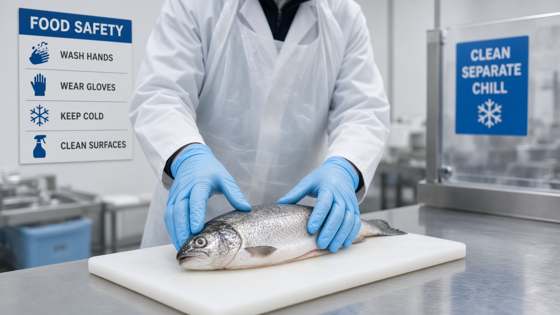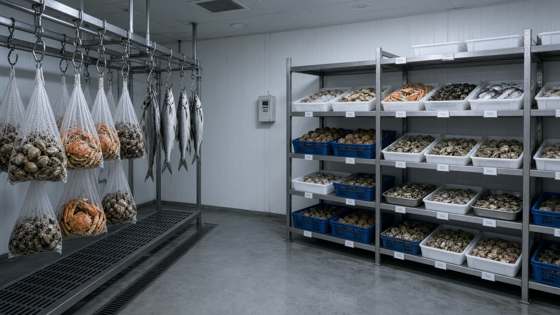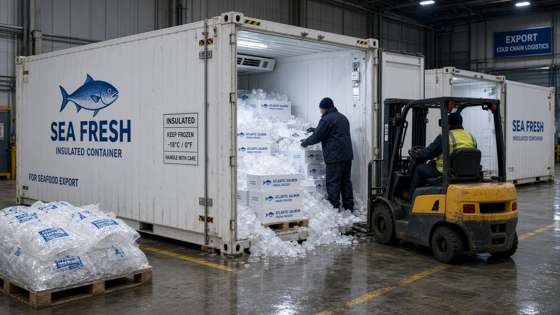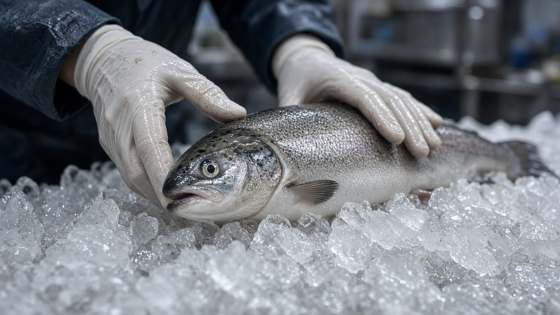
Freezing fish well comes down to four things: start with very fresh fish, remove air, freeze it quickly, and keep the freezer at 0 F (-18 C) or below. A fillet frozen within a day of purchase and wrapped tightly can come out of the freezer tasting close to fresh, while one that is loosely wrapped and left in a warm freezer turns dry and tough.
Why Freezing Fish Works and Where It Fails
At 0 F (-18 C), bacteria stop growing. Freezing does not kill all of them, and it does not repair fish that was already past its best, so what goes in is what comes out. Quality loss in the freezer comes from two sources. The first is ice crystal damage: large crystals rupture muscle cells, and the fish releases liquid and turns mushy on thawing. The second is dehydration and oxidation at the surface, which causes freezer burn and rancid flavors, especially in oily fish. Both can be limited with good technique. For the science of crystal size, read flash freezing versus slow freezing.
Step by Step: How to Freeze Fish at Home
- Choose fish that is as fresh as possible. Freeze it the day you buy it, or the day you catch it.
- Rinse briefly in cold water if needed and pat completely dry with paper towels.
- Portion into meal-sized pieces. Smaller portions freeze faster and thaw faster.
- Chill the portions in the refrigerator for 30 to 60 minutes so they enter the freezer cold.
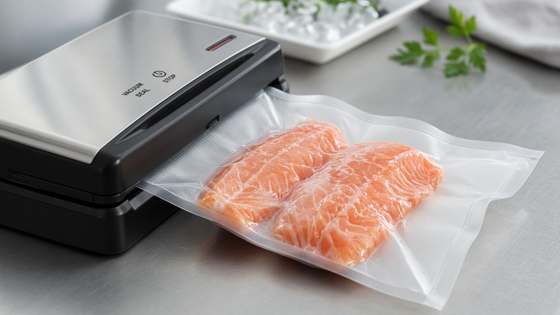
- Wrap each portion tightly in plastic wrap or place it in a vacuum bag, then add an outer layer of freezer bag or foil.
- Press out as much air as possible.
- Label with the species and date.
- Spread packages in a single layer against the freezer floor or a metal tray until solid, then stack.
Choosing the Right Wrapping for Freezing Fish
- Vacuum sealing gives the best air removal. See vacuum sealing for extended shelf life for how to use it and one safety point to know.
- Plastic wrap plus a freezer bag works well when you do not have a sealer.
- Freezer paper or heavy foil adds protection from odors.
- Thin sandwich bags alone are not enough for long storage.
The Glazing Method
Glazing coats fish in a thin layer of ice that protects against drying. Freeze the portions uncovered until hard, dip them briefly in ice-cold water, return them to the freezer for a few minutes to set the coat, and repeat once. Then wrap or bag them. Many commercial frozen products carry a glaze, which melts off during thawing. It is most useful for lean fillets and whole small fish.
Freezer Settings and Storage Times
Keep the freezer at 0 F (-18 C) or lower, and confirm it with a thermometer. Safe is not the same as best quality: fish remains safe at 0 F indefinitely, but flavor and texture decline over time. As a rough guide for home freezers, lean fish such as cod, haddock and flounder keep good quality for several months, while oily fish such as salmon, mackerel and bluefish are best within a shorter window because their fat turns rancid. Shrimp and scallops also do well when well wrapped. Commercial vacuum-packed and quickly frozen product can last longer than home-frozen fish.
| Fish type | Best-quality window (home freezer, well wrapped) |
|---|---|
| Lean white fish | About 4 to 8 months |
| Oily fish | About 2 to 3 months |
| Shrimp and scallops | About 3 to 6 months |
These are quality guides rather than safety limits, so treat them as practical estimates. The FDA guidance on appliance thermometers explains how to verify your freezer is actually holding 0 F.
What Not to Freeze
Do not freeze fish that is already near spoilage. Live shellfish such as clams and oysters do not freeze well in the shell for later eating raw, and cooked shellfish texture suffers. Avoid refreezing fish that was thawed on the counter or in warm water. If it was thawed in the refrigerator and held cold, it is safe to refreeze, though quality drops. Learn the right way to defrost in thawing seafood safely.
Common Problems and Fixes
- White, dry patches: freezer burn from air exposure. Trim away the patches and cook the rest; rewrap better next time.
- Mushy texture after thawing: freezing was slow or the fish was not fresh. Use in chowder, fish cakes or curries.
- Off smell: discard.
- Ice crystals inside the package: a sign of temperature swings.
Freezing Whole Fish and Special Cases
Whole fish should be gutted and scaled, rinsed inside the cavity and dried. Small fish such as sardines can be frozen on a tray and then bagged together. Large whole fish are best cut into steaks or fillets, because a thick whole fish freezes slowly in the center. Fish roe, smoked fish and cured fish each have their own limits; check the producer's label, and see smoked fish storage guidelines. Raw fish intended for eating raw has extra rules for parasite control, and home freezers generally do not get cold enough for that purpose.
Making Frozen Fish a Good Habit
Good freezing fish technique makes a freezer a pantry of dependable weeknight meals. Buy fresh when the fish is excellent, portion it, wrap it airtight, freeze it hard and thaw it slowly in the refrigerator. If you are still deciding between buying fresh and buying frozen, see fresh versus frozen nutrition and taste. For wider sourcing advice, FishWatch is useful.