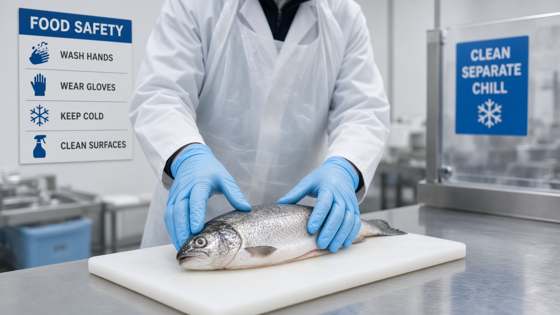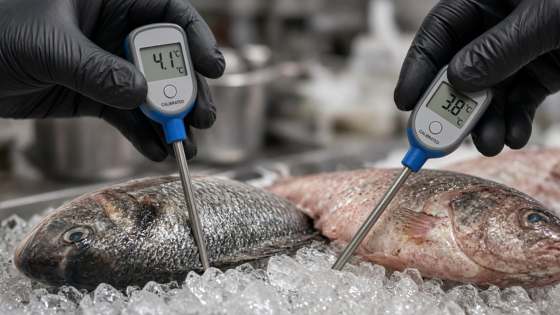
Vacuum sealing seafood is one of the best ways to protect fish in the freezer, because removing air stops freezer burn and slows fat from going rancid, which keeps fillets tasting fresher for months longer than loose wrapping. The catch is that vacuum sealing is not a substitute for cold: sealed fish must still be kept frozen or very cold, and it should be treated carefully if it is fresh and refrigerated.
What Vacuum Sealing Seafood Does and Does Not Do
Air is the enemy of frozen fish. Oxygen reaches the surface of poorly wrapped fillets and dries them out, creating the pale leathery patches called freezer burn, and it oxidizes the fat so oily fish tastes stale. A good vacuum seal removes most of the oxygen and keeps it away, so frozen fish holds quality much longer. Many sealer manufacturers suggest several times the freezer life of ordinary bags, but exact times vary, so label packages with the date and aim to eat them within the best-quality windows in our guide to freezing fish techniques for quality retention.
What sealing does not do is kill bacteria or make warm fish safe. It also does not make fresh fish last forever in the refrigerator. That is the safety point to understand next.
The Safety Rule: Fresh Fish and Low-Oxygen Packaging
Clostridium botulinum type E is a bacterium found naturally in aquatic environments. It can grow without oxygen and can produce toxin even at refrigerator temperatures, which is why fish in sealed, low-oxygen packaging is treated carefully. The FDA's guidance on fish and fishery products covers this hazard; see its hazards and controls guidance. What it means for you:
- Freeze fish you vacuum seal, rather than storing sealed raw fish in the refrigerator for days.
- If you seal fresh fish and plan to cook it the same day or the next, keep it well chilled at 40 F (4 C) or below, ideally colder, and do not leave it in a warm place.
- Thaw vacuum-packed frozen fish only after cutting open or removing the package, as explained in thawing seafood safely.
- Follow the storage instructions and use-by date on commercial vacuum-packed products, which often say keep frozen or keep refrigerated at a set temperature.
Store-Bought Vacuum Packs
Smoked salmon, cooked crab and some cured fish come vacuum packed and are intended for refrigerated storage within their date. Read the label for temperature instructions, keep the pack cold on the trip home, and once opened, use it within the time stated. Our smoked fish storage guidelines go through typical rules.
How to Vacuum Seal Fish Well
- Start with very fresh fish, patted dry. Moisture interferes with the seal.
- Portion into meal-sized pieces. Sealing individual portions lets you thaw only what you need.
- Pre-freeze soft or wet pieces on a tray for an hour or two, then seal. This stops juices being drawn into the machine.
- Leave a few inches of bag above the fish and wipe the seal area clean.
- Seal, check for leaks, and label with species and date.
- Freeze flat in a single layer so portions freeze quickly, then stack.
Vacuum Sealing Seafood: Tips by Type
- Fillets and steaks: fold a small square of parchment between pieces if sealing several together.
- Shrimp: seal in flat packs of one meal each.
- Scallops: freeze first on a tray so they hold their shape.
- Whole fish: gut and clean first, and cover sharp fins so they do not puncture the bag.
- Live shellfish: do not vacuum seal; they need to breathe.
Is a Sealer Worth the Money?
Sealers range from inexpensive handheld models to pricier countertop machines, and bags are an ongoing cost. It pays off if you buy fish in bulk, catch your own, or buy large family packs on sale and portion them. If you freeze fish only occasionally, tightly wrapping in plastic wrap and then a freezer bag does a decent job for a few months, as described in our freezing guide. Choose a sealer with a pulse or moisture setting if you will seal fresh fish.
Buying Tips for Sealed Seafood
- Choose packs with no air pockets, tears or liquid pooling at the bottom.
- Check the date and whether the label says keep frozen or keep refrigerated.
- Pick up sealed packs last and carry them home cold.
- Do not buy frozen packs that are bent, soft or covered in frost, which can mean they thawed and refroze.
Checking Sealed Fish Before Cooking
Look at the bag first. A loose, puffed up or leaking bag on thawed or refrigerated fish suggests spoilage or a failed seal, and you should discard it. When you open it, a faint odor at first is normal, but a sour, rotten or ammonia smell is not. General rules about time out of refrigeration are on the FDA's safe food handling page.
The Short Version
Used for the freezer, vacuum sealing seafood gives you excellent quality and less waste. Keep sealed fish frozen, thaw it out of the bag, and treat any refrigerated vacuum pack as a short-term product, and you will get the benefits without the risk.