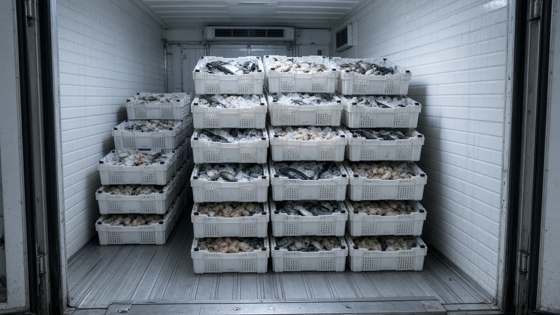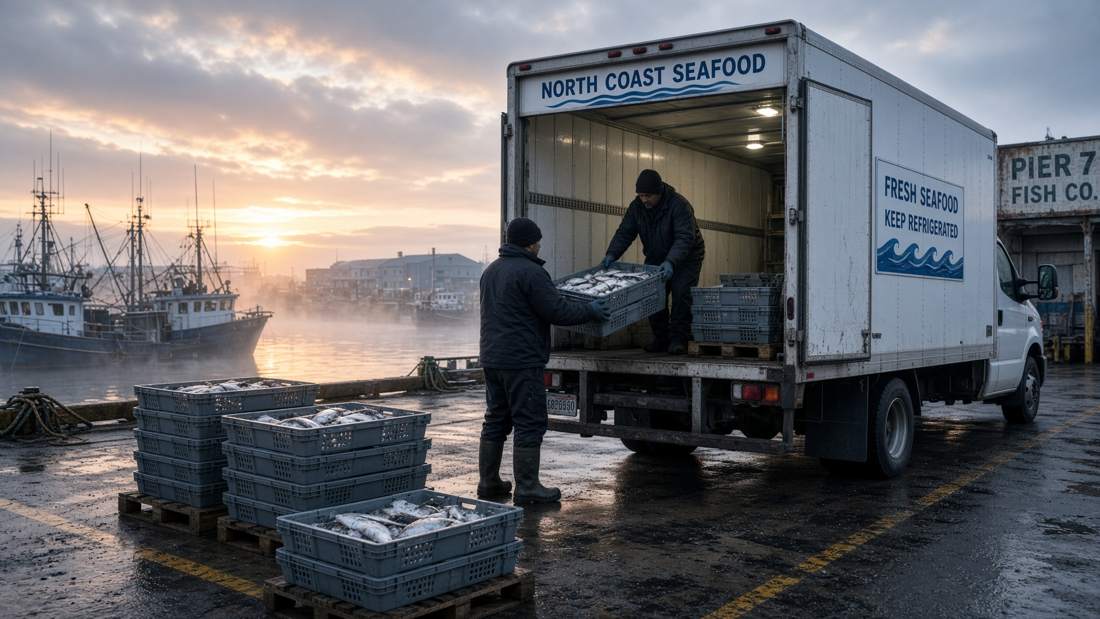
Transporting seafood in your car safely mostly means one thing: keep it cold from the counter to your refrigerator. Fish and shellfish are among the most perishable foods you buy, and a warm car in summer can push them into the temperature range where bacteria multiply fast.
Plan the trip so seafood comes last
Make the fish counter your final stop. Pick up dry goods, produce and canned items first, then get seafood and drive straight home. If you must make another stop, take a cooler. Do not run other errands with raw fish in the back seat, and never leave it in a parked car, even for a short stop on a mild day.
Bring the right gear for transporting seafood
A cooler with ice
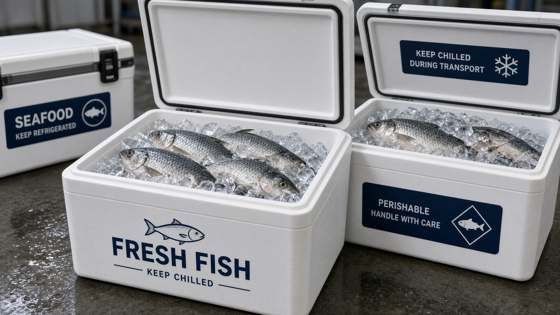
A small insulated cooler with ice or frozen gel packs is the most reliable method. Use plenty of ice, and place the seafood in a sealed bag or container so it does not sit in meltwater. If you are buying in bulk, a larger cooler with ice on the bottom and top works better than a single thin bag. The principle is the same as in insulated boxes and gel packs explained.
An insulated shopping bag
For short trips, a reusable insulated grocery bag with a frozen gel pack is enough. Ask the fish counter to double-bag your purchase and to pack ice around it if you have a longer drive.
Time and temperature limits
Refrigerated seafood should stay at 40 degrees F (4 C) or below. Food safety guidance generally says perishable food should not sit in temperatures above 90 degrees F for more than one hour, and not above 40 degrees F for more than two hours. Check the FDA seafood handling advice for current guidance. A parked car in sun can be far hotter than the outside temperature, so air conditioning on the drive and a cooler in the cabin are better than the trunk.
Where to put the cooler
- Inside the cabin with the air conditioning on, away from direct sun
- Out of the trunk in summer, since trunks trap heat
- Strapped or wedged so it will not slide and spill
- Separate from ready-to-eat foods such as bread, fruit and cooked items
Keep raw seafood from contaminating other foods
Raw seafood juices can spread bacteria, so use leak-proof packaging and a separate bag. If anything leaks in the cooler, wash it with hot soapy water as soon as you get home. For more on how contamination happens, read about cross-contamination risks in seafood handling.
Fishing your own?
If you caught the fish yourself, gut and ice it as soon as possible, and keep it in a cooler with enough ice to surround it. State rules on cleaning, size and carrying whole fish vary, so check your state wildlife agency. FishWatch is a helpful reference for what species you have.
Live shellfish and frozen seafood
Live clams, mussels and oysters need to breathe, so do not seal them in airtight bags or submerge them in water. Keep them cool with ice outside the container. Frozen seafood should stay hard and frosted; if it begins to soften on the way home, cook it soon and do not refreeze raw seafood that has thawed fully. For more on safe thawing see thawing seafood safely.
When you get home, put seafood in the refrigerator or freezer right away. Transporting seafood in your car well is mostly about being prepared: a cooler, a bag of ice and a straight route home protect both your money and your family's health.