Fishing Methods & Gear
Automated Fishing Gear: What It Means for Quality and Cost
Machines on deck are changing how fish are caught and handled, and what you pay for the result
Trawls, nets, lines and traps explained, so you know how the seafood you buy reaches the dock.
Machines on deck are changing how fish are caught and handled, and what you pay for the result
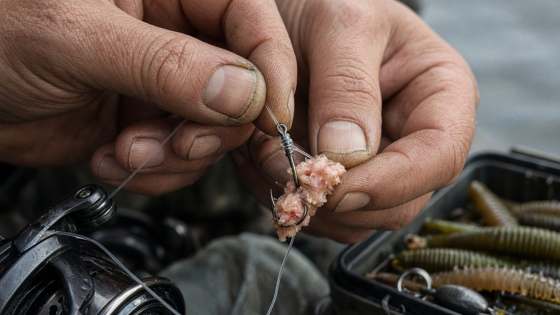
What fishers put on the hook or in the trap can touch both the catch and the ocean, but not always the flavor
Escape vents, soak times and entry shapes decide how many animals are kept, how healthy they are and how they taste
Nets, lines and trap parts designed to break down are still being tested, and shoppers should know where they stand
Colors, flags and numbers on the water mark who owns gear, and the same logic of traceability follows the fish ashore
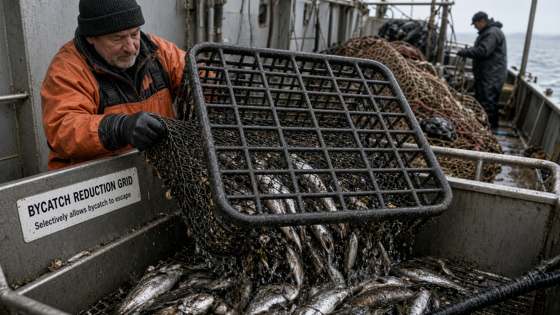
Escape panels, grids and modified nets that let unwanted animals go free while the target catch stays on board
Water temperature shapes fat, texture and taste, and it can help you choose the right fish for your recipe
Shared quotas, shared information and shared catch plans can mean steadier supply and better handling
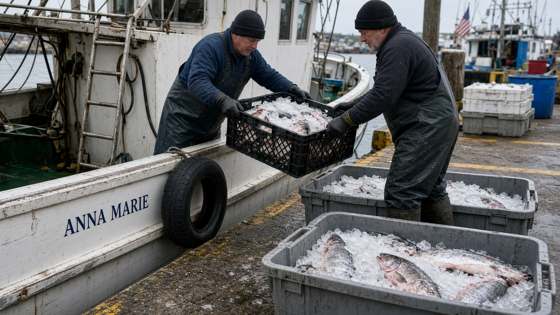
How well the crew handles fish on deck shows up in texture, flavor and shelf life at home
How to buy dry scallops, fresh clams and oysters, and what dredge fishing means for freshness, grit and price
From tracking ships to monitoring fish stocks, what the new tools mean for traceability, supply and price
A banned-in-places method still shapes some flatfish supply, so here is how to buy with your eyes open
Safety planning on boats keeps trips on schedule and fish properly chilled, and shoppers can read the signs
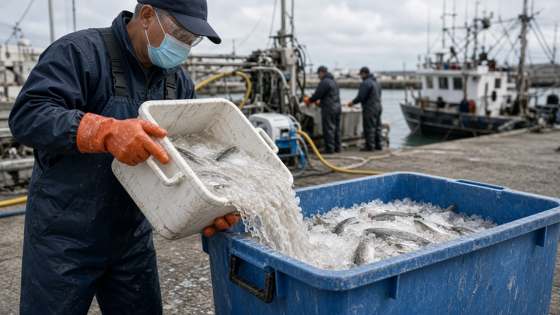
The first minutes after capture decide flavor, texture and how many days your fish lasts
Diesel, shipping and cold storage all travel with your fish, and some catches use far more of it than others
When fishing boats compete for the same waters, shoppers see it in the price, the supply and the label
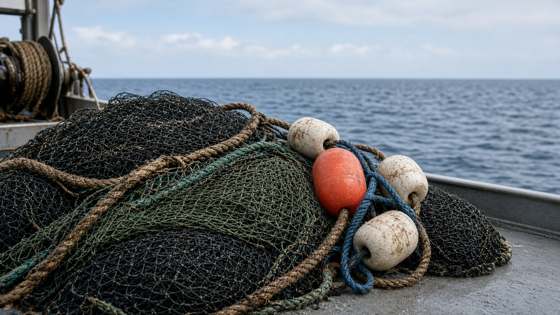
Abandoned and lost fishing equipment keeps catching animals for years, and what that means at the market
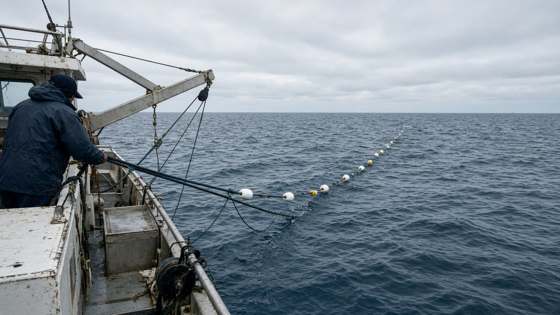
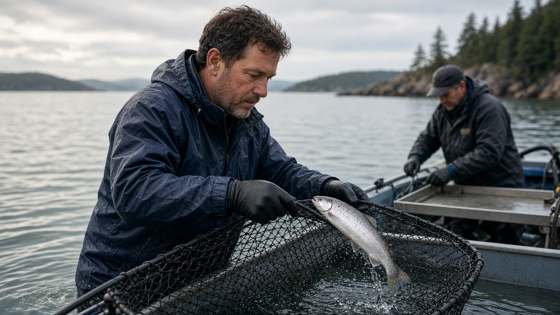
How a simple curtain of mesh catches salmon, shad and more, and what to look for when you buy gillnet-caught fish
One fish at a time, bled and iced fast: how to spot handline-caught tuna, squid and snapper and decide if the premium is worth it
Why harpoon-caught swordfish and bluefin are rare, what you pay, and how to spot genuine harpoon fish before you buy
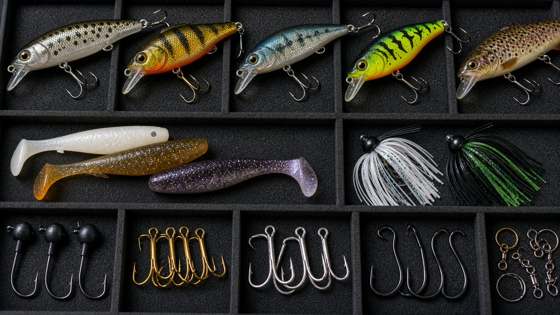
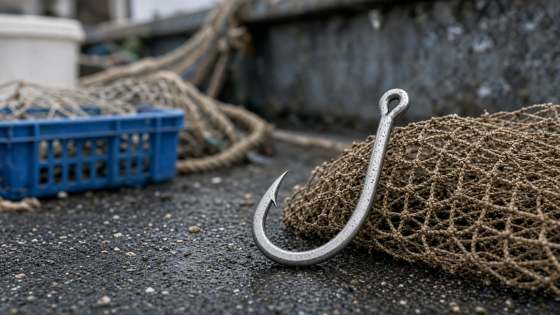
Hook shape and size change which fish are caught, how healthy they are and whether they are worth a premium
What the crew does in the first minutes and hours after a catch can matter more than where the fish was caught
Six common gear types, what each means for freshness and the seabed, and how to ask the right questions at the counter
Why a few degrees on the deck of a boat decide what the fish tastes like days later at the counter
Lights and floating rafts help fleets find tuna, and the label on your can may say which method was used
What to look for when you buy lobster, crab and clams that are still alive
Thousands of hooks on one line: where swordfish, tuna and halibut come from and how bycatch is being reduced
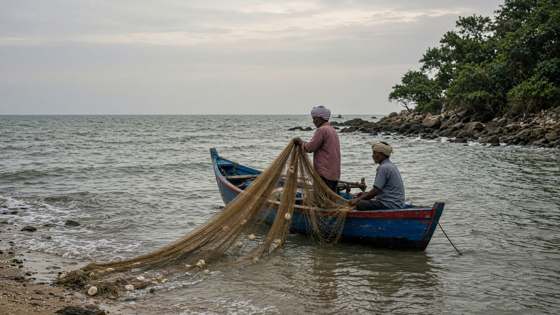
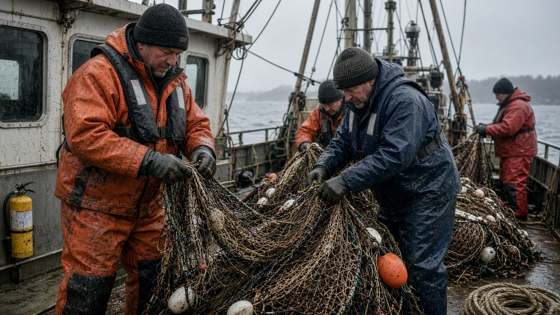
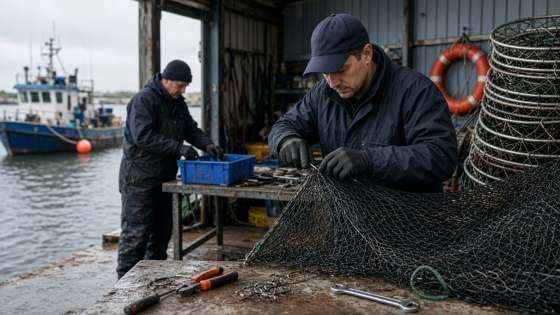
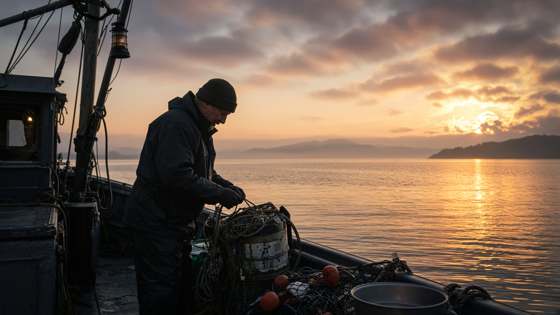
Hand-mended nets keep gear working longer, cut waste and shape the quality of what reaches the dock
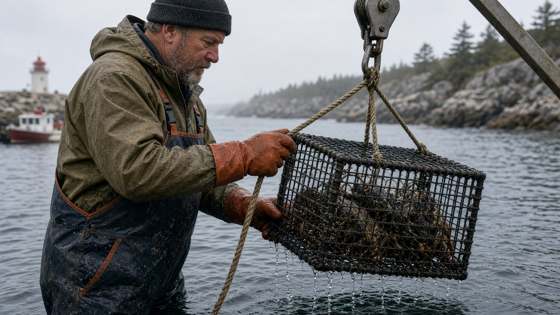
Live animals, careful sorting and small-boat economics explain the price of lobster, crab and spot prawns from baited traps
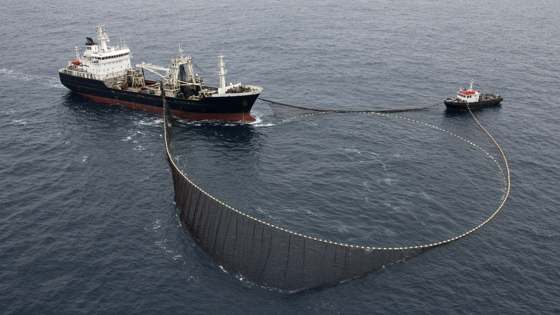
Encircling whole schools in one set: how the method works, why it dominates tuna and sardines, and what to check on the label
How chilled brine tanks keep big catches cold from the first haul to the dock
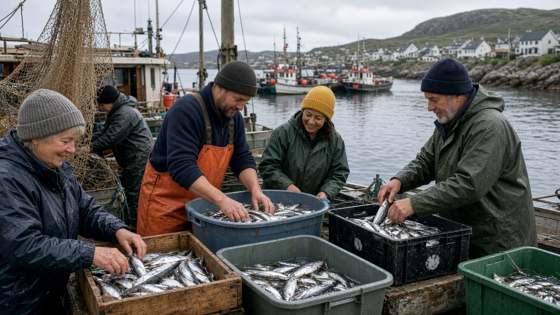
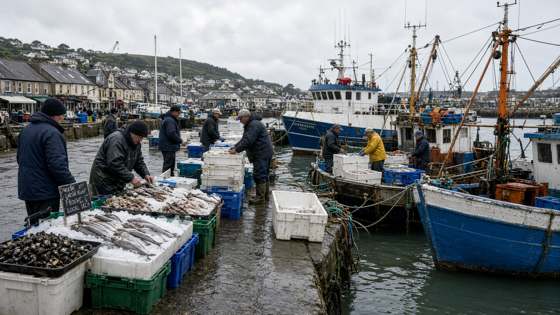
Why the fish at your local counter differs from the fish across the country, and what it means at checkout
Lines, floats, weights and winches are a real cost for every boat, and part of that cost reaches your receipt
Fishing is among the most hazardous work there is, and how crews are treated is part of what you buy
Fish follow food and temperature, so the calendar tells you when each species is plentiful and good value
A mix of ice crystals and chilled brine that cools fish faster and gentler than block or flake ice
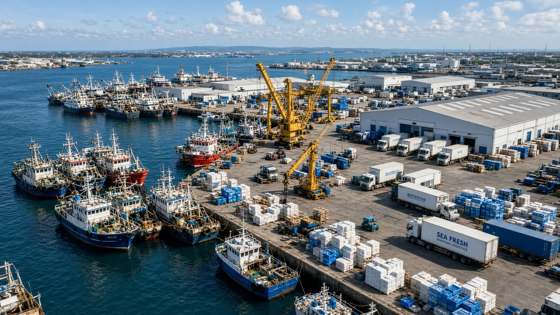
A shopper's comparison of freshness, price, sustainability and availability by boat size
Trip length, onboard cooling and landing logistics matter more than hull size alone when judging a fish
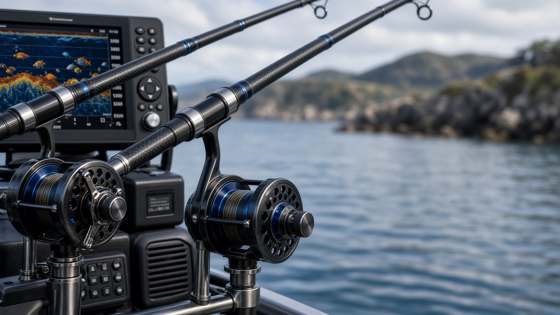
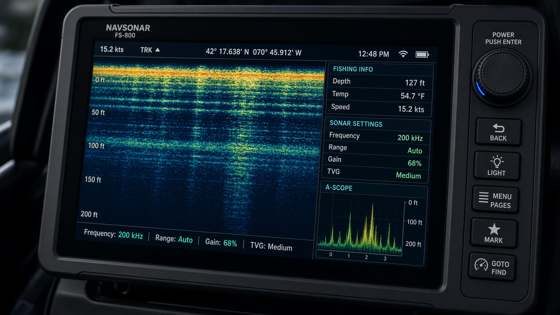
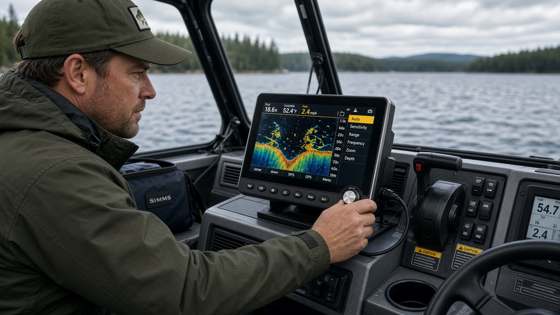
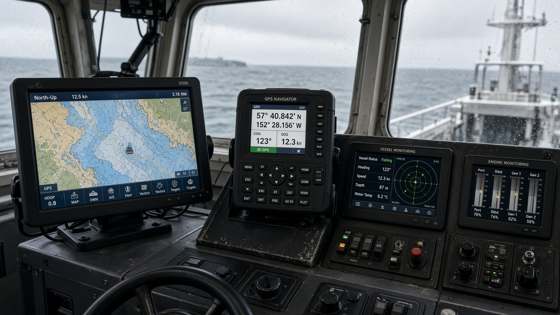
Fish-finding electronics help boats catch efficiently, which affects what is in stores, how fresh it is and what it costs
Count per pound, U-10, jumbo and chick explained so you pay for the size you actually want
What the labels on your seafood say about how it was caught, and where they stop
Selective nets, smarter traps and cleaner handling are coming, and here is how to benefit as a buyer
Moving water decides where fish feed, how firm their flesh is, and when shellfish are at their best
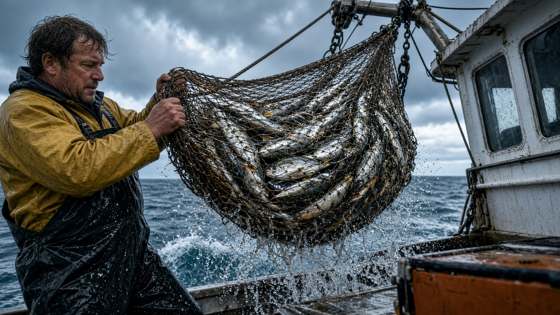
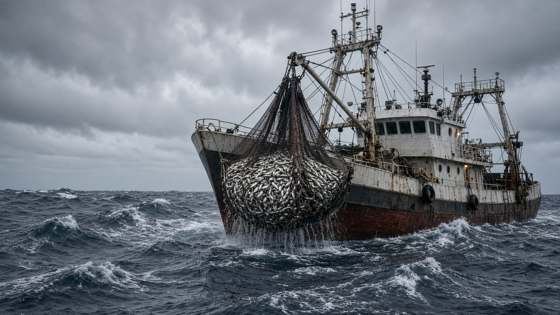
What a towed net means for the cod, pollock and shrimp you buy, from freshness at the dock to habitat questions
What troll-caught means, how wild king, coho and sockeye differ, and how to check the label so you pay for the real thing
A grid built into shrimp nets lets sea turtles escape, but proof of its use rarely reaches the package
The hours between boat and truck decide how fresh your fish is, and how to tell what happened
Wind, swell and sea temperature decide which boats sail, and that shows up at the fish counter