Gillnetting is a method where fish swim into a curtain of mesh and are held by the gills, and for you it mostly comes down to two things: how quickly the fish was pulled and iced, and whether the fishery is well managed. It is used for salmon, herring, shad, mullet, sablefish, flounder and many freshwater species. Good gillnet fish is firm and clean-smelling; poorly handled fish is soft. This guide shows how to tell the difference.
How gillnetting works
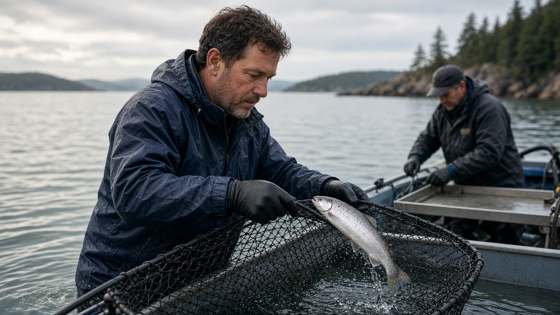
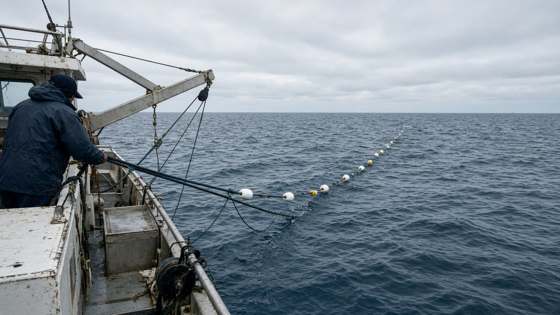
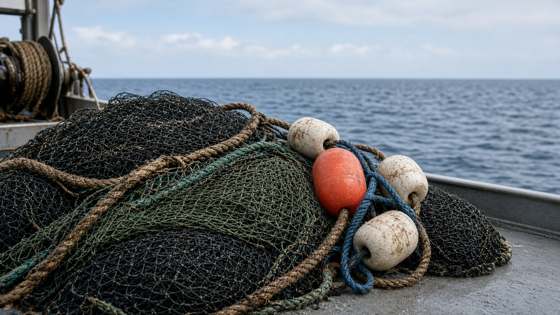
A gillnet is a long, thin wall of mesh with floats along the top edge and weights along the bottom. Depending on the setup, it can hang near the surface, in midwater or on the seafloor. Fish encounter the net in the dark or in turbid water, push their heads through a mesh opening and become caught behind the gill covers. Fishermen then haul the net and remove the catch by hand.
There are three common styles:
- Set (anchored) gillnets stay in one place and are checked at intervals.
- Drift gillnets float with the current, usually tended by the vessel. Rules on their use vary widely by region and have been tightened in many places, so check current rules for any specific fishery.
- Encircling gillnets are used to surround a school, then tightened.
Why mesh size defines what is caught
The key to gillnetting is that mesh size is selective by body girth. Fish much smaller than the mesh pass through; fish much larger bounce off or get tangled rather than gilled. A fleet can therefore tune its nets to a target species and size range. The topic is covered more fully in why net mesh size matters. Well-chosen mesh can protect juveniles and spawners, which is one reason gillnets remain a mainstay of managed salmon fisheries.
Gillnetting and fish quality
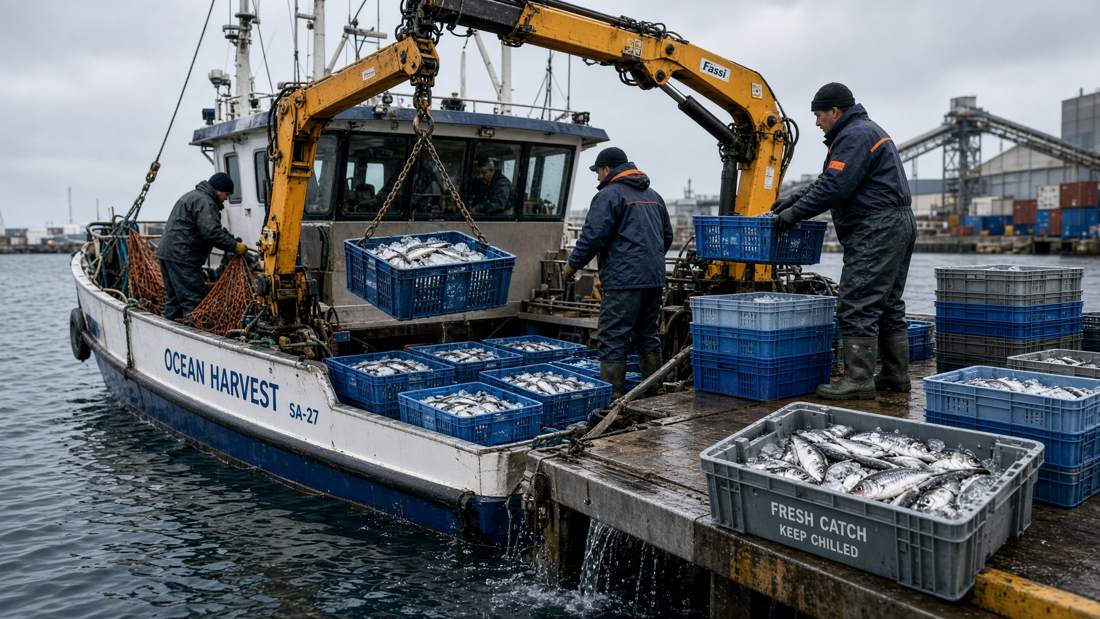
Quality depends largely on how long the fish stay in the net. A net checked frequently yields fish that are alive or freshly dead, bled and iced promptly. A net left soaking for many hours, especially in warm water, can produce soft flesh and marks where the mesh has pressed on the body. For that reason many premium gillnet fisheries use short soak times and quickly move fish into chilled storage.
When shopping, look for fillets with firm, springy flesh, a clean ocean smell and no excessive gaping. Gillnet marks on the skin of whole fish are not a safety concern, though they may lead to a lower grade. The FDA's advice about eating fish is a helpful reference on choosing and handling what you buy.
Bycatch and sustainability questions
Gillnets can catch non-target animals, including seabirds, marine mammals and turtles, especially where nets are left unattended or set in sensitive habitats. Some fisheries address this with acoustic pingers, visibility panels, time and area closures, or limits on net length and depth. Lost nets that continue to fish are a separate issue discussed in our guide to ghost gear.
Because performance varies so much by location, rely on fishery-specific ratings rather than a blanket judgment about the gear. Seafood Watch publishes recommendations by species, region and method, and certified fisheries are listed by the Marine Stewardship Council.
Species you will commonly find
| Species | Typical gillnet use | Shopper note |
|---|---|---|
| Salmon | Bays and river mouths in managed fisheries | Ask about region and time since landing |
| Herring and shad | Seasonal runs | Best fresh or lightly cured |
| Mullet | Coastal and estuarine waters | Roe is a seasonal specialty |
| Flounder and sole | Bottom-set nets | Handling and chilling matter |
What to ask before you buy gillnet-caught fish
- Where and when was it caught?
- How soon was it bled and iced?
- Is the fishery certified or rated by an independent group?
Gillnetting in the kitchen: cooking and storage tips
Handling gillnetting catches at home
Gillnet-caught fish behave like any other well-handled wild fish once it reaches your kitchen, but a few habits help. Buy fish that has been kept on ice or at refrigerator temperature and plan to cook it within a day or two. If you cannot, wrap fillets tightly and freeze them; most lean and oily fillets keep their eating quality for a few months in a home freezer when wrapped airtight.
Oily species such as salmon, herring and shad respond well to quick, high-heat methods: broiling, grilling or pan-searing skin side down. Shad is famous for its fine bones, so many cooks ask the fishmonger to bone it or choose a slow braise or baking method that softens them. Mullet is firmer and does well smoked, grilled whole or pan-fried. Flounder and sole are delicate and need gentle heat and a short cook time.
- Pat fillets dry before searing to get crisp skin.
- Cook salmon until it just flakes at the thickest part, and avoid overcooking, which dries it out.
- Keep raw fish below ready-to-eat foods in the refrigerator and use a separate board.
Gillnets, regulation and local fisheries
Gillnet rules differ from place to place and change over time. Some regions restrict gillnets in nearshore waters, require specific mesh sizes, limit soak times, or ban certain types such as large-scale drift nets in particular areas. Others license small-boat gillnet fleets as a core part of the local fishery, with openings that last only hours on a given day. If you are curious about the rules where your seafood originates, NOAA's overview of U.S. fisheries management explains how councils, quotas and gear rules fit together, and local fish and wildlife agencies publish current regulations.
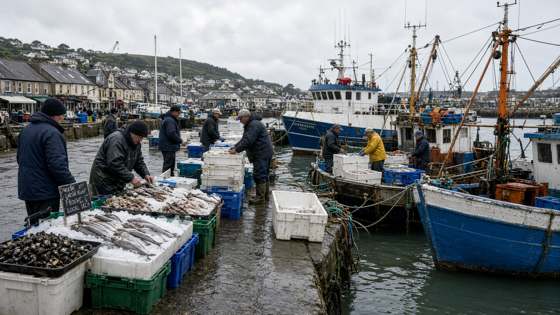
Supporting well-run small-boat gillnet fisheries can be a good choice if you want fish landed close to home. Sellers who know the boat, the bay and the day of landing are usually the ones most able to answer your questions about gear and soak time. For a wider comparison with other approaches, see our shopper's guide to fishing methods.
Gillnetting is neither a villain nor a guarantee of quality. It is a selective tool that works well when nets are tended, mesh is matched to the target and the fishery is carefully managed. Armed with those three questions, you can judge gillnet-caught fish on its own merits.