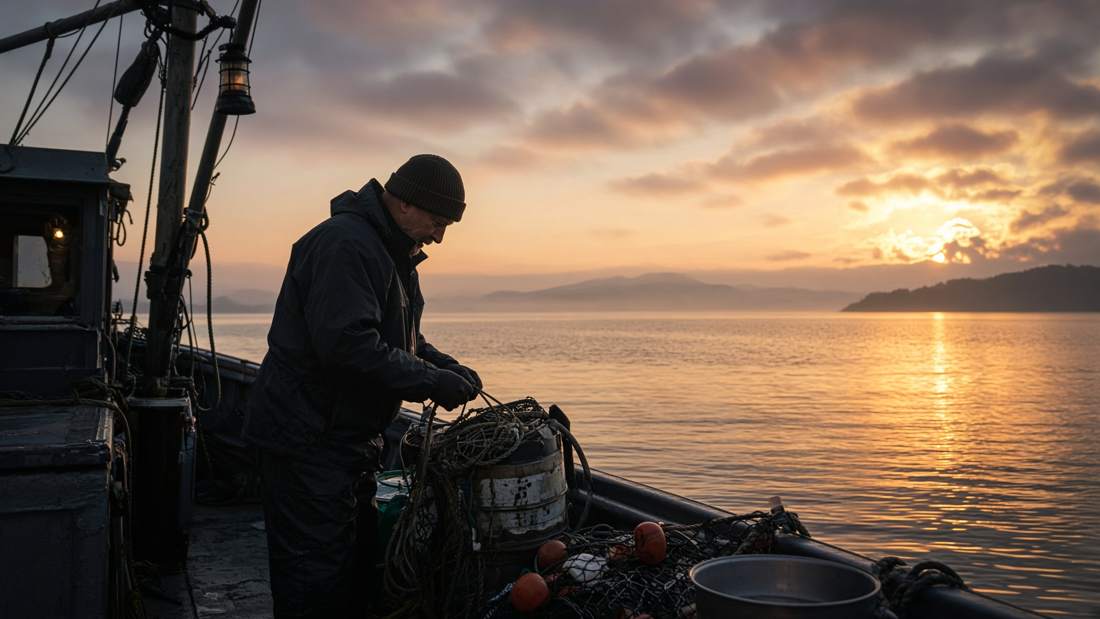
Automated fishing gear means machines that do work once done by hand on a boat, such as hauling lines, baiting hooks, sorting fish by size or moving the catch into chilling systems, and it affects both the quality and the cost of the seafood you buy. For shoppers, the main questions are simple: does automation make fish fresher, does it make fish cheaper, and does it change how the fish is caught? The answers depend on the fishery.
Quick answer: automation can improve consistency and speed, which can help freshness, but it does not guarantee quality or a lower price. Judge the fish itself and ask how it was handled.
What Automated Fishing Gear Includes
Automation covers a wide range of equipment. Some of it is old and familiar, and some is newer.
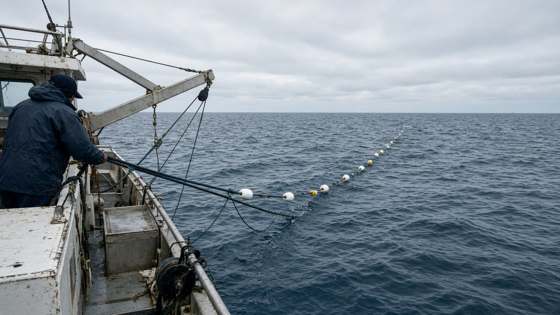
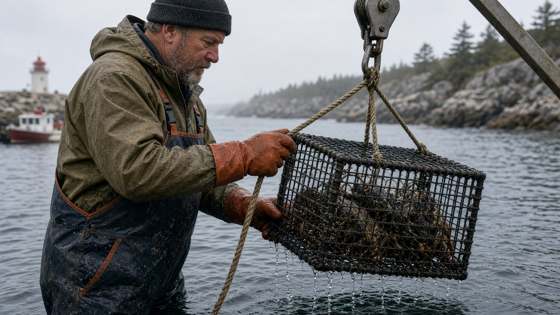
- Hydraulic or electric haulers that pull in lines, nets and traps
- Automatic baiting machines on longline vessels
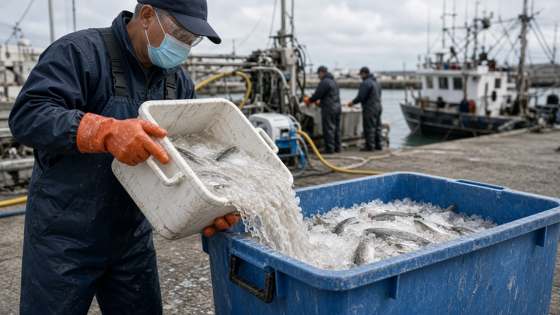
- Conveyors, sorting tables and size graders
- Machines that make ice or slurry and load it into holds
- Onboard processing equipment for cutting, freezing and packing
Not every boat has these. Small boats often rely on hand work and basic haulers, while large vessels may use extensive machinery. Our article on small boats and big vessels compares the two.
Where Automated Fishing Gear Helps Quality
Machines can handle fish quickly and the same way every time, which cuts the time between catch and chilling. Automated icing or chilling can ensure fish reach a steady cold temperature. Mechanical gear can reduce physical strain on crew, which in turn can help workers handle fish more carefully when fatigue sets in. Consistent sizing also helps buyers, since fish are graded evenly; see what size labels mean.
Where Automation Can Hurt Quality
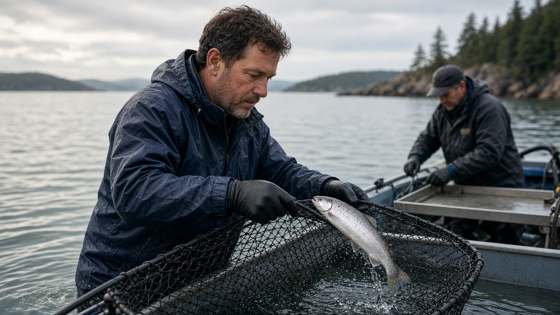
Machines can also be rough on fish. Conveyors and sorters can bruise delicate species, and heavy loads moved quickly can damage flesh. Hand-handled fish sold as premium may be treated gently for exactly this reason. Automation does not replace skill, and our look at crew training explains why good operators matter.
How Automated Fishing Gear Affects Seafood Prices
Automation can lower the cost of catching and processing fish by reducing labor and speeding work, and these savings may reach the shopper, especially in products caught and processed in volume such as frozen fillets, fish sticks and canned fish. On the other hand, machines are expensive to buy, run and repair, and boats that invest in them may need to charge more. The net effect on any single price is hard to predict, and many other factors matter, including fuel, weather and demand.
Automation also tends to favor large-scale operations, which can change the balance between small local boats and large fleets. For how that plays out for shoppers, compare small-boat and large-vessel seafood.
What Automation Does Not Change
Automation affects handling and cost, but not the basics of what makes seafood good: how quickly it is chilled, how it is stored and how long it takes to reach you. It also does not change the environmental effects of the gear itself. A net or hook is still a net or hook, whether hauled by hand or by machine. For ratings of species and fisheries, see Seafood Watch or the Marine Stewardship Council.
How to Shop When You Do Not Know How It Was Caught
- Check the basics: bright eyes, clean smell, firm flesh and no dryness or discoloration.
- Ask when and where the fish was landed.
- Look at packaging. Frozen fish should be solid, with no frost crystals or liquid.
- Compare per-pound prices across forms: fresh, frozen and canned.
- For delicate, high-value fish, ask if it was hand-handled or line-caught.
Consider Frozen and Processed Options
Frozen-at-sea fish is a good example of automation working well. Fish processed and frozen soon after catch can be of excellent quality and often costs less than fresh. The FDA's advice about eating fish is a useful reference for safe handling at home.
Examples You Might Notice at the Store
- Uniform fillets or portions, often a sign of machine cutting and grading, which is fine and can make cooking times predictable.
- Frozen-at-sea labels, which usually mean fish were processed and frozen on the vessel.
- Very consistent sizes in shrimp and scallops, which are graded by count per pound. A lower count means larger pieces.
When comparing prices, work out the cost per pound of edible meat. A cheap whole fish with heavy waste may cost more than a pricier fillet, and machine-cut portions remove trimming work at home. Check the package for added water or glazing, which can add weight without adding fish.
The Takeaway on Automation
Automated fishing gear is neither good nor bad on its own. It can help freshness and keep costs steady, or it can bruise fish and favor large operators. The best approach for shoppers is practical: judge the fish in front of you, ask about handling, compare forms and prices, and buy what looks and smells best on the day.