Seafood size labels are sorted and graded by weight or count, and they are not standardized across every product, so one seller's "large" may be another's "medium." Learning to read count-per-pound numbers, scallop codes and lobster categories lets you compare prices fairly and buy the size that suits your recipe.
Why Seafood Is Sorted and Graded
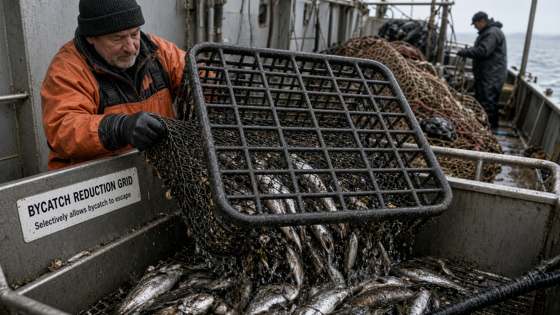
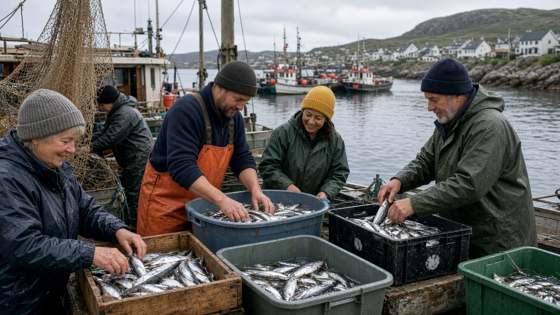
After landing, fish and shellfish are sorted by species, size and quality so that buyers get uniform product. Uniform size means even cooking, which matters to you: small and large shrimp in the same pan finish at different times. Grading may also reflect appearance, freshness and handling, such as whether fillets are intact. The earlier steps, described in from hook to ice, influence the grade a fish receives.
Shrimp: Count Per Pound
Shrimp are usually labeled with a range showing how many shrimp make up a pound, such as 21/25 or 31/40. A smaller number means bigger shrimp. For example, 16/20 means roughly 16 to 20 shrimp per pound, so each is large, while 51/60 are small. Names like jumbo, large and medium are looser and vary, so trust the count.
- U-15 or U/15: fewer than 15 per pound, very large, for grilling or a feature plate.
- 16/20 and 21/25: large, good for skewers, scampi and shrimp cocktail.
- 31/40: medium, versatile for stir-fries and pasta.
- 51/60 and smaller: small, good for salads, fried rice, chowder and dips.
Check whether the weight is with shell or without, headless or peeled, since this changes how much edible meat you get. Peeled shrimp cost more per pound but waste less.
Sorting and Grading for Scallops, Lobster and Fish
Sea Scallops
Sea scallops use a similar system. U-10 means fewer than 10 scallops per pound, so they are very large; 10/20 and 20/30 are smaller. Large scallops are good for searing, while small ones suit pasta and stews. Look for "dry" scallops, which are not treated with added phosphates and sear better; wet-packed scallops release water and weigh more because of it.
Lobster
Lobsters are sold by weight categories. Common names include chicks (about one pound), quarters (a bit over one pound), halves, and larger sizes. Exact ranges differ, so ask the seller. Rule of thumb: one lobster of around 1.25 pounds is a single serving, while larger ones can be split and the meat is often more plentiful but not always more tender. Shell hardness varies with the molt cycle, and a harder shell generally means more meat per pound.
Fillets, Steaks and Whole Fish
For fish, sorting is by weight range, such as 3 to 5 ounce portions for salmon or 6 to 8 ounce fillets. Portion cuts of equal thickness cook evenly. For whole fish, ask the weight and whether it is gutted. A whole 2-pound fish yields roughly half that weight in fillets.
How to Buy the Right Size
- Decide the recipe first. Grilling and pan searing favor larger sizes; soups and stews work with small.
- Compare cost per usable pound, not shelf price. Peeled and deveined products cost more but save time.
- Plan servings: about 4 to 6 ounces of boneless fish, or 6 to 8 large shrimp, per person.
- Check that sizes in a pack are uniform. Mixed sizes will cook unevenly.
- Watch for added water, glaze or brine, which affect weight.
Price Math: Comparing Packs Fairly
Package size labels can hide big differences in value. Use a simple calculation: divide the price by the weight of edible meat. For example, shell-on shrimp may lose a quarter or more of their weight when peeled, so a lower shelf price per pound does not always mean a better deal. Frozen shrimp in a bag are often cheaper than thawed counter shrimp because the counter product was frozen first, then thawed.
- Choose individually quick frozen (IQF) bags so you can take out only what you need.
- Look for a clear count range printed on the bag; vague words are a red flag.
- Buy the size just below the largest, which often costs noticeably less for similar eating quality.
- For fish fillets, ask for center-cut pieces if you want even thickness, and tail pieces to save money.
Serving Guide
Plan about a quarter pound of boneless fish per person, 6 to 8 large shrimp, 3 to 4 large sea scallops, or one 1.25 pound lobster. Adjust up for hearty eaters or if seafood is the whole meal.
Does Bigger Mean Better?
Not always. Bigger shrimp and scallops are prized and cost more per pound, but small ones are just as sweet and often better value. Very large fish are not always best either, since size is not a quality guarantee and some large, long-lived predatory species can carry more mercury; check the EPA's guidance on choosing fish and shellfish wisely and the FDA's advice about eating fish for species to limit.
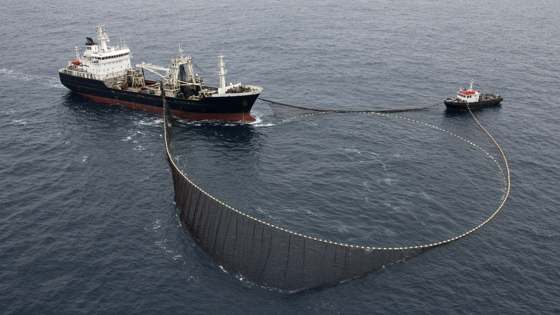
Size can also reflect season and gear; for context see seasonal migration and how your fish was caught.
Quick Reference Before You Shop
- Lower count per pound means bigger seafood.
- Ask if weight is shell-on or peeled.
- Choose uniform sizes for even cooking.
- Match the size to the recipe, not the label's adjective.
Once you can decode seafood size labels, sorting and grading stop being a mystery and become a simple tool for buying exactly what you need at a fair price.