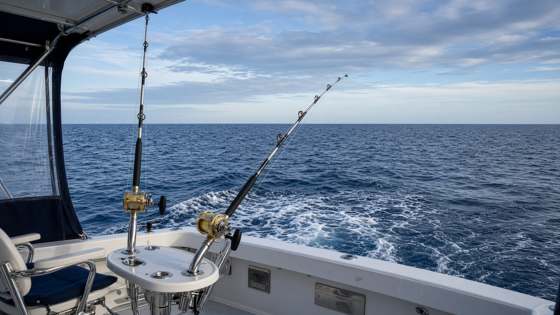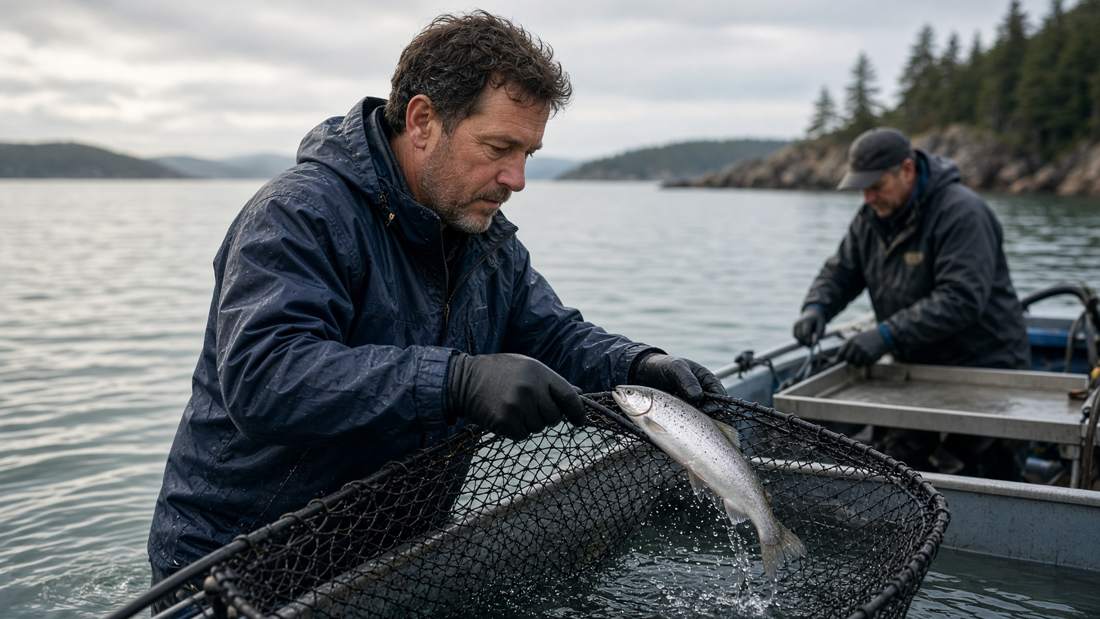
The quick answer: ask what gear caught your fish, because fishing methods affect freshness, price and environmental impact. Line-caught and trap-caught seafood usually costs more and arrives in better shape; net-caught fish is usually cheaper and can be just as good from a well-managed fishery. Behind every piece of wild seafood is a gear type: a net dragged along the bottom, a line baited with hooks, a trap hauled from a rocky ledge. Knowing the basics lets you read labels with confidence and ask better questions at the counter.
Why fishing methods matter to the shopper
Two fillets of the same species can differ sharply in quality depending on how they came aboard. Fish pulled up in a crowded net after hours of towing may be bruised and stressed. Fish caught one at a time on a line can be bled, chilled and handled gently within minutes. The gear also determines what else is caught by accident, known as bycatch, and whether it touches the seafloor.
No method is good or bad in every circumstance. A well-managed trawl fishery for a plentiful species can be more sustainable than a poorly regulated hook-and-line fishery for a depleted one. What matters is the combination of gear, species, location and management. For a broader view of how U.S. fisheries are regulated, see NOAA Fisheries' overview of fisheries management.
The main commercial fishing methods
Net fishing methods: gillnets, trawls and purse seines
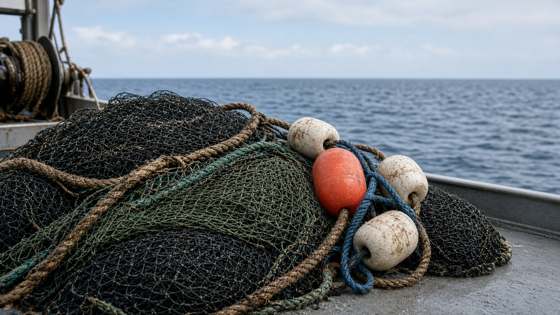
Nets account for most of the world's wild seafood. They come in several forms:
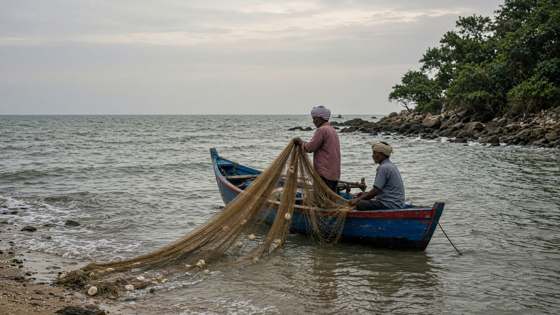
- Gillnets hang like a curtain in the water. Fish swim into the mesh and are held by the gills. They are selective when the mesh size matches the target species, but can snare other animals. Our guide to gillnetting covers this in detail.
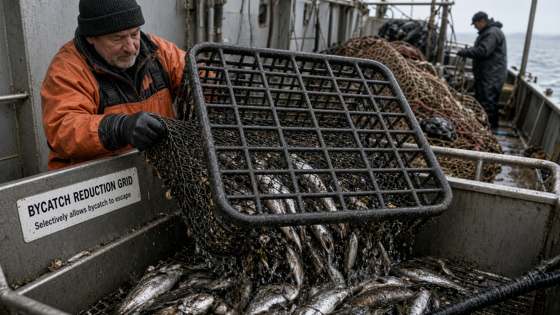
- Trawls are cone-shaped nets towed behind a vessel, either along the bottom or through open water. They land large volumes of cod, pollock, shrimp and flatfish. Read more in trawling basics.
- Purse seines encircle a school of fish, then close at the bottom like a drawstring purse. They are common for sardines, herring, mackerel and much of the tuna that ends up in cans.
Hooks and lines
Line fishing ranges from a single baited hook to a mainline stretching for miles with thousands of hooks. Longlines target tuna, swordfish, halibut and sablefish. Trolling drags lures or baited lines behind a moving boat, and is widely used for salmon. Handlines and jigs are operated by hand or with simple reels, and the fish are brought aboard one by one. Because each fish is landed individually, line-caught seafood often arrives in better condition, though bycatch of seabirds, turtles and sharks can be a problem on some longline fisheries.
Pots, traps and dredges
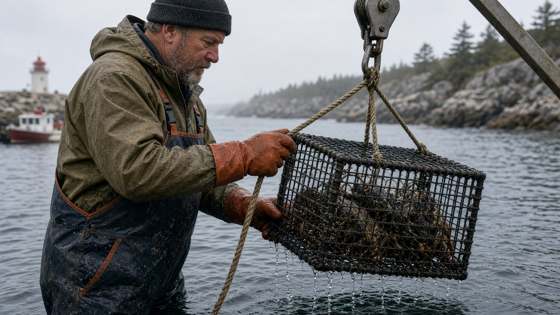
Lobster, crab, whelk, spot prawn and some finfish are caught in baited pots or traps. Animals can often be sorted on deck and undersized or egg-bearing ones returned alive, which is one reason trap fisheries are viewed favorably. Dredges, by contrast, are heavy steel frames dragged across the seabed to collect scallops, clams and oysters. They are efficient but disturb the bottom, so management rules on area and season matter a great deal.
How the method affects quality and price
As a rule, the more gently and individually a fish is caught, the more you pay. Troll-caught salmon and handlined tuna sell at a premium because the volume per trip is small and the handling is careful. Large-scale net fisheries move enormous quantities at lower cost per pound. That is not automatically a mark against them; it is what makes affordable protein like canned fish and frozen fillets possible.
Handling after capture matters just as much as gear. Rapid bleeding, chilling on ice or in slurry, and short trips all protect flavor. A fish that spent hours in a tight net on a warm deck will rarely match one iced within minutes, regardless of species.
Sustainability and bycatch: what to look for
Bycatch is the incidental capture of species you did not intend to catch. Gear modifications such as turtle excluder devices in shrimp trawls, circle hooks on longlines and larger mesh in gillnets reduce it. Independent programs evaluate fisheries as a whole, including the gear used. Useful starting points include Monterey Bay Aquarium's Seafood Watch, which rates seafood by species, region and method, the Marine Stewardship Council, which certifies wild fisheries, and NOAA's FishWatch, which profiles U.S. species and how they are harvested.
Remember that ratings are specific. The same species may earn a green rating when caught by one method in one region and a red rating when caught by another elsewhere. Always check the whole picture, not only the species name.
Questions to ask at the seafood counter
You do not need to be an expert to get useful answers. Try these:
- Is this wild or farmed, and where was it caught?
- What gear was used - line, net, trap or dredge?
- When did it come off the boat, and was it ever frozen?
- Is it certified or rated by an independent program?
A knowledgeable seller will usually know at least the region and gear type. If a label lists only the species, ask for more. In the United States, wild seafood generally carries country-of-origin information, but the details vary by product, so check current rules if you need specifics.
Putting it together on your next shopping trip
Learning the main fishing methods turns a vague label into a story you can evaluate. If you want the freshest, most carefully handled fish and are willing to pay for it, look for line-caught, troll-caught or trap-caught products; our pieces on handlined and jigged seafood and pots and traps explain why. If you are feeding a family on a budget, net-caught fish from a well-managed fishery is a perfectly sound choice. Either way, understanding how your fish was caught makes you a more confident buyer, and every question you ask nudges the whole seafood chain toward better practice.