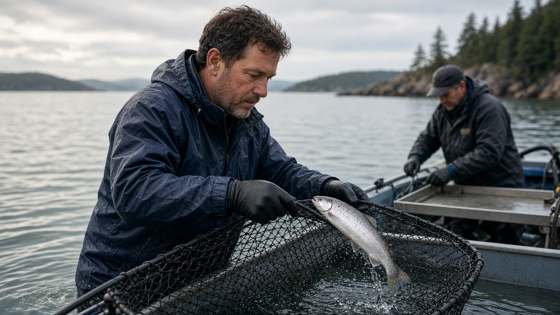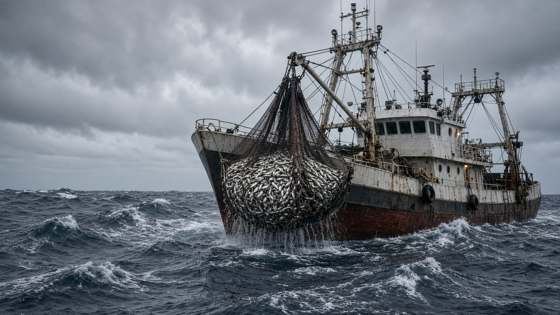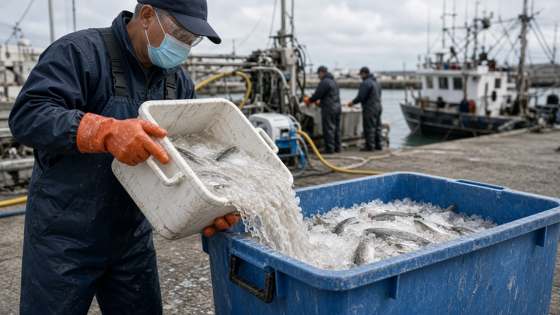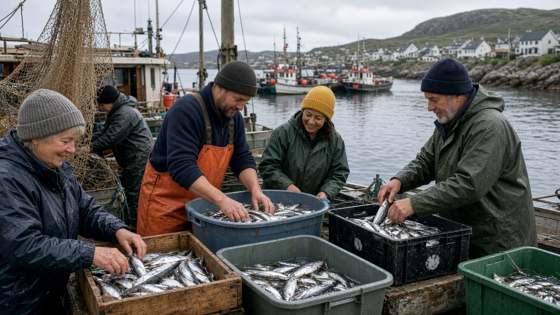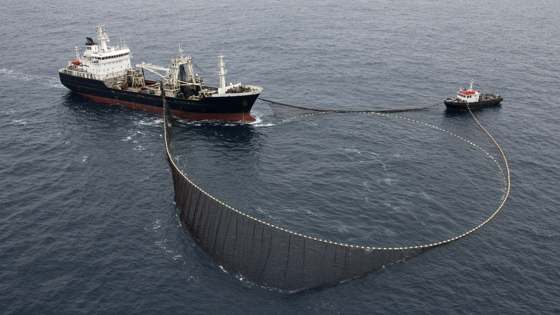
Regional gear rules are the local and national regulations that say which fishing methods may be used in which waters, and they quietly shape what ends up in your seafood case and what it costs. A region that bans a certain kind of net, or limits how many traps a boat can set, will produce a different mix of seafood than one without those limits. For shoppers, that means the best choices, the prices and even the labels can differ by where you live.
Quick answer: do not assume the same fish is caught the same way everywhere. Ask how and where a fish was caught, and use trusted guides to compare.
What Regional Gear Rules Cover
Gear rules are one tool that fishery managers use to keep stocks healthy and reduce harm to other animals. They vary by region and by species, and they change over time, so check current rules for any specifics. Typical examples include:
- Limits on net mesh size, so small fish can escape
- Restrictions on bottom trawling or dredging in sensitive areas
- Caps on the number of traps or hooks per boat
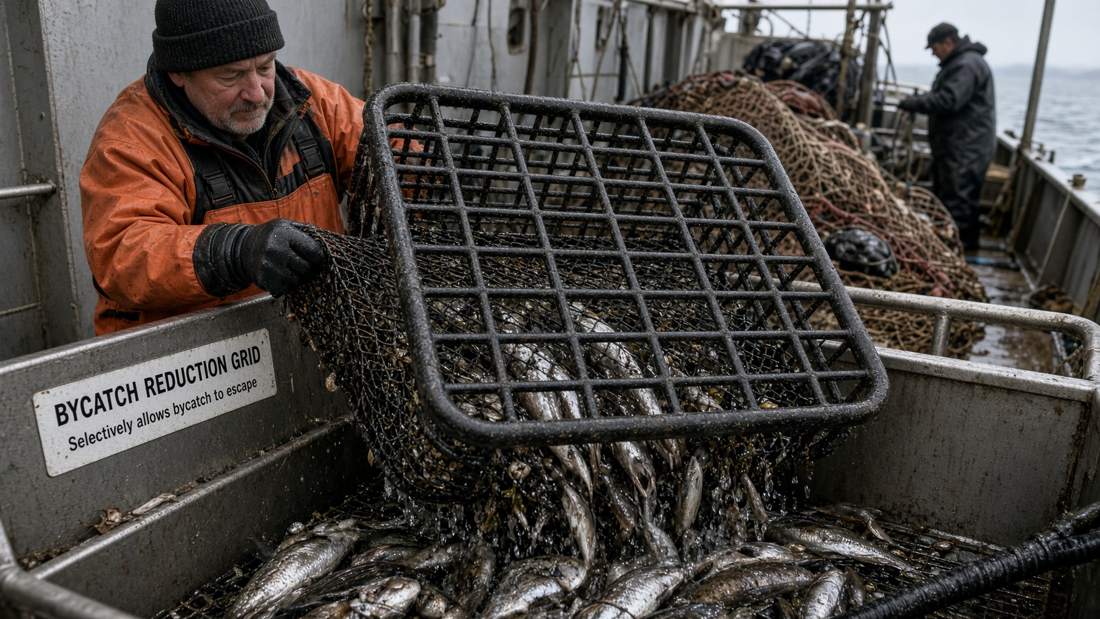
- Required escape vents or devices that reduce bycatch
- Seasonal or area closures for particular gear
In the United States, federal and state agencies share responsibility. NOAA's explanation of how U.S. fisheries management works is a good plain-language starting point.
Why Regional Gear Rules Differ
Different waters have different fish, different seabeds and different local fleets, so a rule that works in one place may not suit another. Rules also reflect local history and communities. As a result, two nearby coasts may allow quite different gear for the same species.
How Regional Gear Rules Affect What You Buy
Variety and Availability
Rules shape which species are available fresh and when. A seasonal closure means a local favorite may vanish for weeks. A gear limit may mean fewer boats can fish, so supply is smaller. Conversely, rules that protect stocks can lead to a steadier supply over time.
Price
Gear restrictions can raise the cost of catching fish, since slower or more selective methods may take more time. Lower catches and higher costs show up as higher prices. Fish caught by lower-impact methods, such as hook-and-line or traps, often sells for more. For examples, see our articles on handlined and jigged seafood and trap-caught lobster and crab.
Imported Seafood
Imported seafood follows the rules of the country where it was caught, and may be caught in ways that would not be permitted locally. In the U.S., country-of-origin labeling is required for many seafood products, as described by the USDA on its country of origin labeling page. That label tells you where a fish came from and whether it was wild or farm-raised, which is a clue to what rules applied.
How to Use This When You Shop
- Read the label for country of origin and wild or farmed.
- Ask the seller what fishing method was used and where.
- Check a ratings guide such as Seafood Watch, which grades seafood by species, region and gear.
- Look for third-party certification, such as the blue label of the Marine Stewardship Council, if sustainability matters to you.
- Be flexible. If your usual choice is rated poorly in your region, an alternative may be better.
Our guide to sustainability certifications explains the common labels in more detail.
A Quick Label Checklist
- Species name: the full common name, not just a market term.
- Origin: country, and for U.S. product often the state or region of catch.
- Production method: wild-caught or farm-raised.
- Catch method: some labels list it, such as line-caught or trap-caught. If missing, ask.
- Certification logo: look for a named program and check it against the program's own website.
Not every package carries all of this, and requirements differ by product and location. When information is missing, a seller who cannot or will not answer is telling you something. A seller who can name the boat, the port and the method is usually worth returning to.
Money-Saving Ideas
- Choose species that are abundant locally and in season.
- Buy frozen versions of fish from well-managed fisheries when fresh is expensive.
- Join a community-supported fishery if one operates in your area, which can reduce middleman costs.
Regional gear rules are a hidden part of every seafood purchase. By asking where and how your fish was caught, and by comparing it with trusted guides, you can make choices that fit your budget and your values, whatever the rules are where you live.