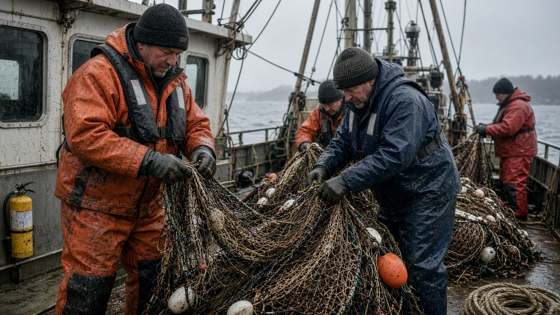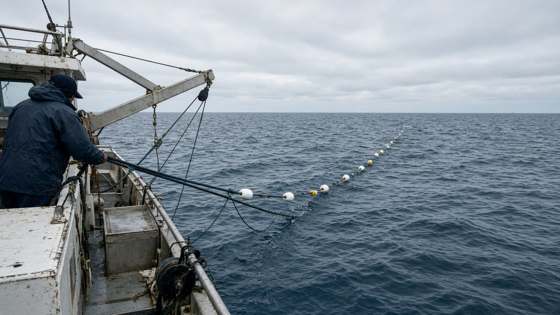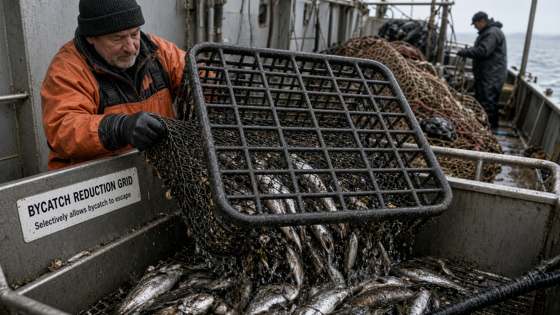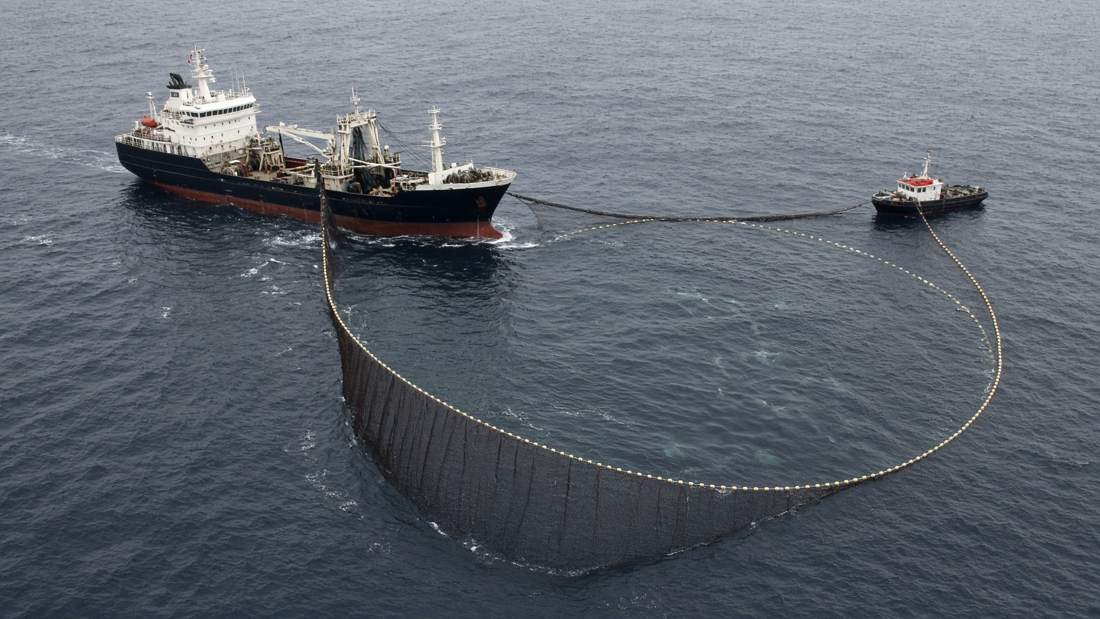
Emergency procedures at sea protect crews first, but they also protect the fish you buy. Boats with safety plans, working equipment and trained crews are more likely to finish trips on schedule, keep their catch cold and land fish in good condition. For shoppers, that translates into more reliable freshness and fewer surprises.
How Emergency Procedures at Sea Affect Seafood Quality
A fishing trip is a race against warmth. Fish starts to lose quality the moment it is caught, and anything that interrupts chilling shortens its good life. Common interruptions include engine trouble, a failed ice machine or refrigeration unit, injuries on board, and sudden weather. Prepared crews have backup plans: spare equipment, spare ice, clear steps for returning early and radio contact with the shore.
- Return to port early rather than risk a long trip with warming fish.
- Protect the catch by keeping hatches closed and ice topped up while dealing with a problem.
- Communicate ahead so the buyer or dock is ready to receive and chill the fish at once.
What a Cut-Short Trip Means for You
A shortened trip often means less fish landed, which can tighten supply and raise prices for a few days; see weather and seafood supply. The fish that does arrive is often fine, because a return to port is usually a safe decision made quickly. A real concern is fish that sat warm for hours, which good sellers will not offer.
Food Safety Starts at Sea and Continues on Shore
In the US, seafood processors and importers follow a hazard-based safety system. The FDA explains it on its Seafood HACCP page, and its Fish and Fishery Products Hazards and Controls Guidance describes temperature control and other hazards in detail. Industry readers use these documents; you do not need to, but it helps to know that time and temperature control is a recognized safety issue.
The seafood types most sensitive to temperature abuse include tuna, mahi-mahi, mackerel and similar species, where histamine can form if fish is kept warm. Histamine is not destroyed by cooking, so the prevention happens before the fish reaches you. Buy these fish from sellers who keep them well iced and refrigerated.
Signs Your Fish Stayed Cold Enough
- Fish is displayed on a deep bed of clean ice, or in a properly cold case, not on a thin layer of melted slush.
- Flesh is firm, moist and bright, with a clean smell.
- Frozen fish has no thick frost, no ice crystals inside the pack and no sign of thaw-and-refreeze such as liquid pooled at the bottom.
- Staff can tell you when and where the fish came in.
Practical Tips for Bringing Fish Home Safely
- Make seafood your last stop on the shopping trip.
- Carry it in an insulated bag with ice packs, especially in warm weather.
- Refrigerate promptly at 40 F (4 C) or below, or freeze it.
- Use fresh fish within one to two days.
- Cook fish to an internal temperature of 145 F (63 C), or until opaque and flaking easily.
- Keep raw seafood away from ready-to-eat food and wash boards and knives after use.
The FDA's advice about eating fish offers more guidance, including for pregnant women and young children.
Which Seafood Needs the Most Care
Some products tolerate a delay better than others, and knowing which helps you shop with confidence:
- Most sensitive: tuna, mahi-mahi, mackerel, bluefish and sardines. Buy from a seller you trust, keep them very cold and eat them promptly.
- Moderately sensitive: salmon, trout, snapper and most fresh fillets. Use within one to two days.
- More forgiving: frozen fish, canned fish and shelf-stable products, which are protected from time and temperature swings.
- Live shellfish: must be alive when bought; discard any that stay open after a tap or smell off.
If a heavy storm or breakdown has recently disrupted local fishing, frozen options are a smart, safe and often cheaper choice for a week or so. Ask whether the fish was frozen soon after capture, because that stops the clock on freshness.
Questions to Ask After Rough Weather
Ask what arrived today, where it came from and whether the shop has frozen alternatives. An honest seller will say when the case is thin instead of selling tired fish.
Why Skilled Crews and Cold Chains Go Together
Training and emergency planning are linked. A crew that practices drills also tends to follow consistent handling routines, a connection explored in crew training and better seafood. Chilling methods such as icing at sea are the first defense when something delays a landing.
If You Suspect a Problem
Do not eat seafood that smells sour or like ammonia, feels slimy or has been left out too long. Return packaged product to the store, and if you become ill after eating seafood, contact a doctor and report it to your local health department.
The short version: emergency procedures at sea are mostly invisible, but they support the cold chain that delivers good fish. Choose sellers who show their ice, answer questions about timing and handle seafood carefully, and you will get the benefit of that preparation at your own table.