Vessel handling is everything the crew does to a fish from the moment it leaves the water until it is landed, and it has a bigger effect on flavor and texture than most shoppers realize. Two fish of the same species caught in the same place can taste very different if one was bled and iced within minutes and the other was left on deck. Understanding the steps lets you recognize quality at the counter.
Quick answer for shoppers: choose fish that looks moist and firm, smells clean, and comes from a seller who can tell you when it landed and how it was chilled. Those signs show good handling, and good handling is what you are paying for.
The Key Steps in Vessel Handling
Landing the fish gently
Rough treatment in the net, on the deck or with a gaff damages flesh. Bruises, torn skin and crushed bellies shorten shelf life. In line fisheries, quick, controlled landing reduces stress, which matters because exhausted or stressed fish can have softer flesh and faster spoilage.
Stunning and bleeding
Many crews stun fish quickly and bleed them by cutting the gills or a major vessel so that blood drains. Residual blood can darken flesh and add off flavors, so well-bled fish tend to have cleaner color and taste. This step is common with tuna, salmon and other larger species, and it is a hallmark of premium handling.
Gutting and cleaning
Digestive enzymes and bacteria in the gut start to degrade flesh after death. Removing the viscera and rinsing the cavity with clean water slows spoilage. Smaller fish are often iced whole, while larger ones are gutted at sea.
Vessel handling means chilling quickly
Temperature is the main lever. Fish should be cooled as close to freezing as possible and kept there. Methods include ice, refrigerated sea water and slurry ice. Our articles on icing at sea and slurry ice go through the differences.
Sorting and storing
Separating fish by species and size prevents crushing and mixing of flavors, and layering fish properly in ice keeps them evenly cooled. See sorting and grading for what happens next.
Why Vessel Handling Changes Taste and Texture
After death, fish go through predictable changes. Muscles stiffen in rigor, then relax, and enzymes and bacteria begin to break down proteins and fats. Warmth speeds all of this. Careful handling slows those processes so the flesh stays firm, translucent and mild. Poor handling can produce mushy texture, gaping fillets, discoloration and the sharp odors people describe as "fishy." Fresh, well-handled fish smells clean and of the sea.
Handling also affects safety. Some species, such as tuna and mahi-mahi, can develop histamine if they are held warm for too long, which can cause illness in people who eat them. Proper cooling is the key control, and the FDA covers temperature controls in its guidance on fish and fishery product hazards and controls.
How Handling Varies by Gear and Species
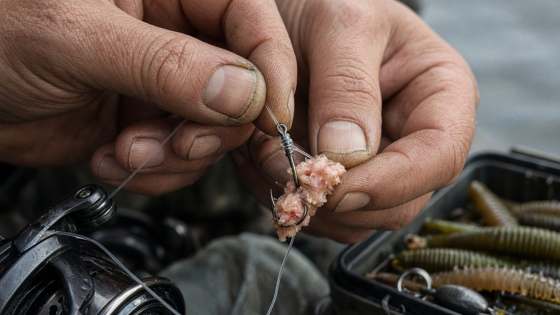
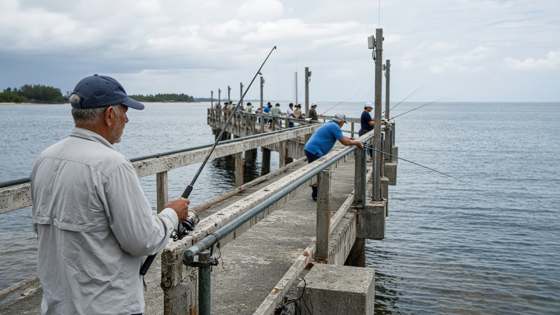
- Hook-and-line. Fish come aboard one at a time, so each can be bled and iced individually.
- Traps. Shellfish are often kept alive and sorted by size, with careful handling to avoid damage and stress.
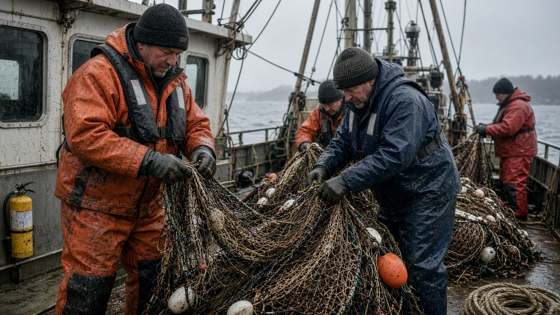
- Trawls and seines. Large volumes arrive together, so speed and good sorting systems are essential to avoid crushing and delay.
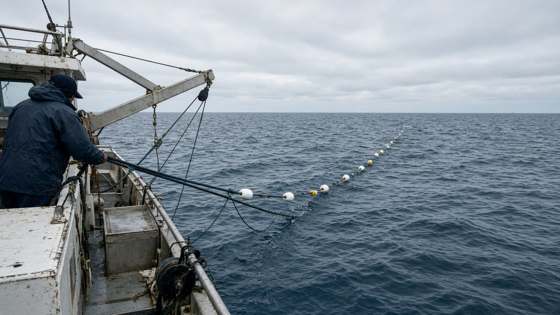
- Gillnets. Fish may have been in the net for some time, so how long gear soaks before hauling affects quality.
The differences are explained further in our guide to fishing methods.
Signs of Good Vessel Handling at the Counter
- Flesh is firm and springs back when pressed lightly.
- Whole fish have bright, clear eyes and red to pink gills.
- Fillets look moist and translucent, with no gaps or browning at the edges.
- Smell is clean and mild.
- Blood lines and dark meat look fresh, not gray or dried.
Ask the seller when the fish was landed and how it was cooled. Sellers who buy directly from boats are often happy to describe the vessel's methods.
Handling at Home Continues the Chain
Once you buy the fish, you take over the job. Get it home quickly, keep it in the coldest part of the refrigerator and cook it within a day or two, or freeze it promptly. The FDA's advice about eating fish includes safe handling and cooking reminders. If you are shopping at a market, bring a cooler bag with ice for the trip.
Getting Value for Your Money
- Pay more for fish that is clearly well handled; a firm, clean fillet wastes less and cooks better than a cheap, soft one.
- Buy whole fish when you can judge eyes and gills, and ask the counter to fillet it for you.
- If the counter fish looks tired, frozen fillets that were frozen soon after catch are often the better buy.
- Do not pay a premium for the word "fresh" alone; ask for the landing date.
What Good Vessel Handling Is Worth
Good vessel handling does not show up on a label, but it shows up in every bite. Crews that bleed, clean and chill with care give you cleaner flavor, firmer texture and longer shelf life. When you find a seller whose fish consistently looks and smells right, you have usually found a supply chain where that care starts on the boat, and that is worth paying a little extra for.