Vessel size and freshness are linked, but not in the simple way many shoppers assume. A small boat that lands its catch the same day often delivers very fresh fish, while a large vessel with excellent refrigeration can hold fish in superb condition for weeks. What matters most is how long the fish waits before chilling, how cold it is kept and how fast it gets from the dock to your store.
Quick answer for shoppers: do not choose by boat size. Ask when the fish landed, how it was chilled, and judge it by eyes, gills, firmness and smell. Good frozen-at-sea fish can beat "fresh" fish that is several days old.
How Small Boats Fish
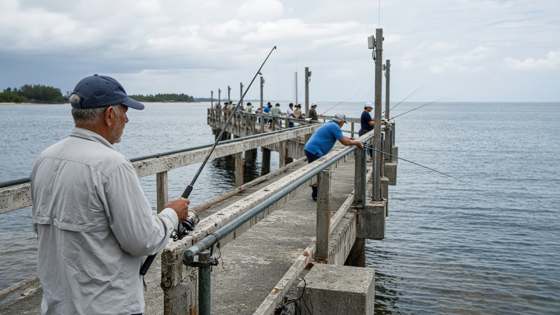
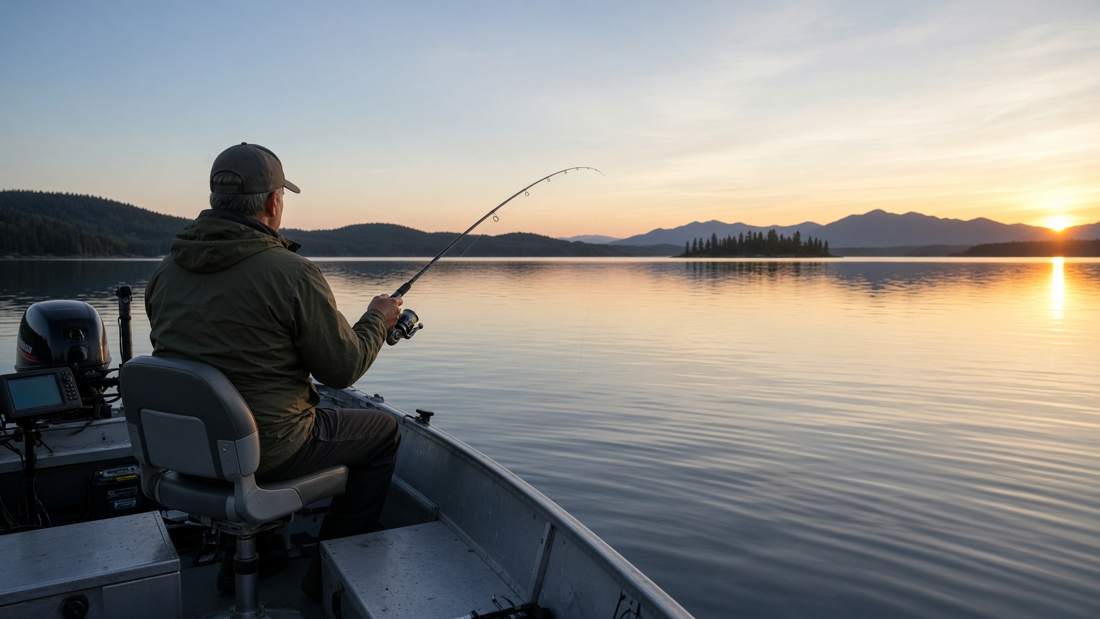
Small boats usually make short trips, often returning to port within a day. Many fish with lines, traps, small nets or dive gear, and their catch is smaller in volume but often handled individually. The crew may bleed, gut and ice each fish within minutes, then sell directly to a dockside buyer or restaurant. This short path from water to market is the idea behind labels like "day boat."
The weaknesses are practical. A small vessel has limited deck space, little refrigeration and a small ice supply. In hot weather or rough seas, careful handling is harder, and a boat without enough ice can lose quality quickly.
How Large Vessels Fish
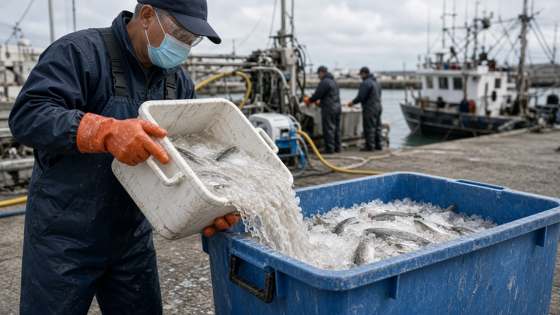
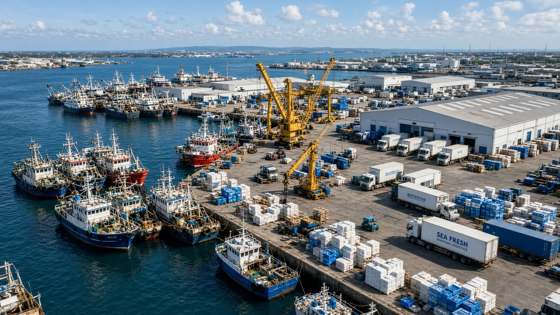
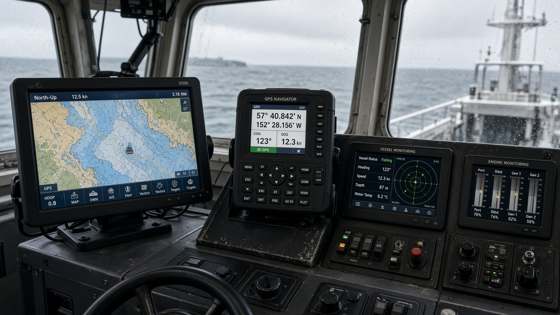
Larger vessels travel farther, fish longer and carry more equipment. Many have onboard refrigeration, blast freezers or tanks of refrigerated sea water, along with space for processing. Some freeze fish at sea within hours of capture, which can hold quality very well, particularly for fish that would otherwise take days to reach market. Others, such as large trawlers, keep fish on ice for a week or more before landing.
The strengths of big vessels are scale, consistency and the ability to fish remote grounds and still bring back a stable product. The weaknesses are time and volume: when thousands of pounds are caught at once, the crew may be unable to handle each fish as carefully, and long trips can leave iced fish aging in the hold. See our guides to icing at sea and refrigerated sea water for how these systems work.
What Really Decides Vessel Size and Freshness
Time from catch to chill matters more than vessel size and freshness labels
Fish begin to deteriorate as soon as they die. The faster they are bled and cooled, the better the texture and flavor. A small boat that ices immediately can beat a large boat that lets fish sit on deck, and the reverse is also true.
Temperature control through the trip
A hold kept just above freezing with plenty of fresh ice preserves quality far better than a warm or poorly iced one. Quick freezing at sea can be excellent, because it locks quality in at the moment of capture.
Handling and gear
Gear that harms fish, such as long soaks in a net or heavy crush in the codend, reduces quality regardless of vessel size. Our overview of how vessel handling affects the fish you buy covers this in more detail.
Unloading and transport
Even a perfectly chilled catch can be spoiled by delays on the dock or during trucking. For more, read about unloading logistics.
Regional and Seasonal Differences
Context changes the picture. In a cold-water fishery with a short run to port, even a modest boat can keep fish near freezing without much effort. In warm water, ice melts faster, fish spoil faster and every minute of delay costs quality, so even small boats need generous ice and shade. Seasonal gluts also matter: when a run of fish arrives all at once, boats of any size can be overwhelmed, and handling suffers. If a fish seems unusually cheap and plentiful, ask how it was handled during the rush.
Some fisheries also set trip limits or daily quotas that influence how long boats stay out. A boat that has to wait for good weather may land older catch after a storm, while one that fishes close to a protected harbor can land daily. These details rarely appear on labels, but a knowledgeable fishmonger can usually explain them.
Small vs. Large at a Glance
| Factor | Small boats | Large vessels |
|---|---|---|
| Typical trip | Hours to a few days | Days to weeks or longer |
| Cooling | Ice, limited refrigeration | Refrigerated sea water, ice or freezers |
| Handling | Often fish by fish | Mechanized and bulk |
| Volume | Low | High |
| Best known for | Local, same-day product | Consistent supply, frozen-at-sea product |
Freezing Is Not Second Best
Many shoppers equate "fresh" with "better," but properly frozen fish can be equal or superior to fish that has sat on ice for days. Fish frozen quickly at sea and thawed carefully at home can taste excellent, and the FDA's advice about eating fish includes guidance on handling at home. "Fresh" on a label often only means not frozen, not how recently it was caught, so ask for the landing date when it matters.
How to Choose the Freshest Seafood
- Ask when the fish was caught and landed, not just delivered.
- Look for bright, clear eyes, red gills and firm flesh in whole fish.
- Smell it; it should be clean and mild.
- Consider good frozen products when fresh options look tired.
- Use programs like Seafood Watch to compare sustainability alongside freshness.
Judging Fish by Handling, Not Hull Size
The best way to think about vessel size and freshness is to ignore the size of the boat and look at the chain of care behind the fish. A small day boat and a well-equipped factory trawler can both deliver outstanding product; what separates them from poor catches is speed, cold and careful handling. Ask good questions, trust your eyes and nose, and let the evidence on the ice guide your choice.