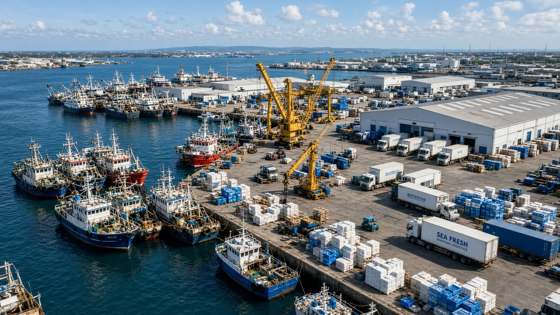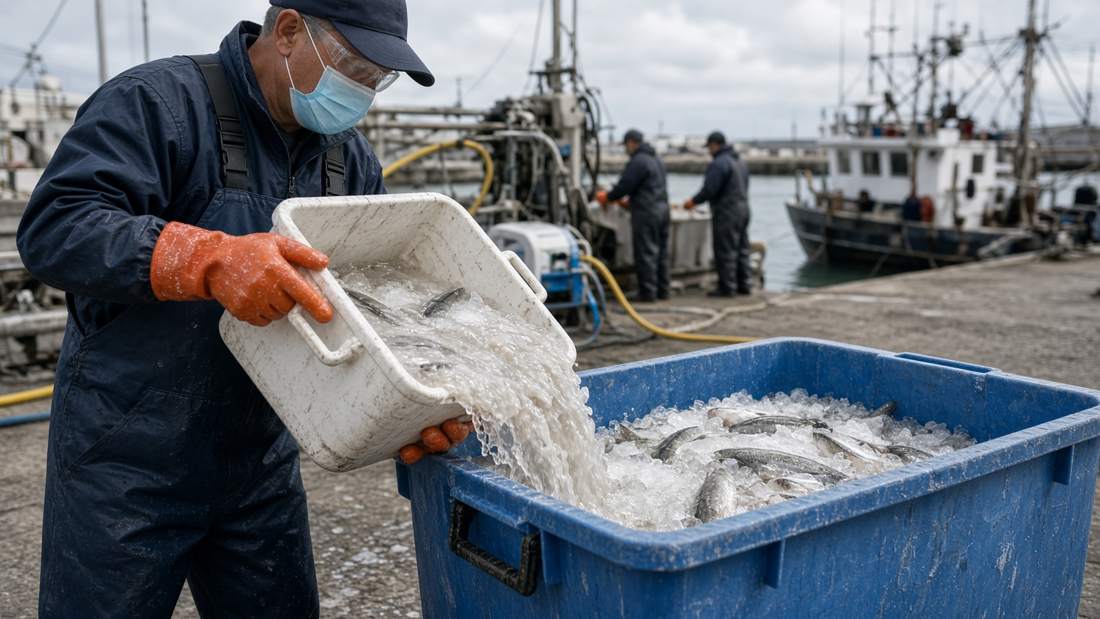
Fishing equipment maintenance has a direct effect on seafood quality, because the condition of a boat's gear, tanks, chillers and decks determines how quickly fish are caught, handled and cooled. A fish pulled from the water in good condition and chilled promptly can arrive at the dock in excellent shape. The same fish handled with worn or dirty equipment can lose texture, flavor and shelf life within hours.
Quick answer for shoppers: you cannot inspect the boat, so inspect the fish. Firm flesh, clean smell, moist fillets and plenty of clean ice at the counter show that the equipment behind it was working.
The Equipment That Touches Your Fish
Nearly everything on a working vessel can influence quality. The main items are fishing gear itself, hauling machinery, deck surfaces, bleeding and gutting stations, totes and bins, ice-making or refrigeration systems, pumps and the fish hold. Each one is a point where heat, bacteria or physical damage can enter the process.
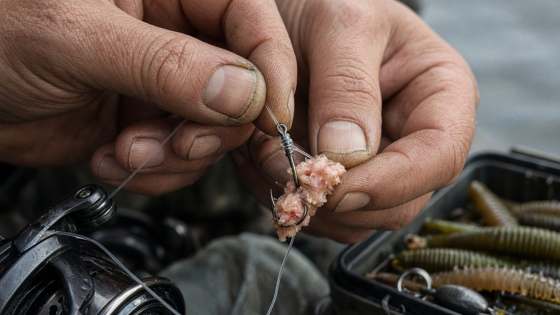
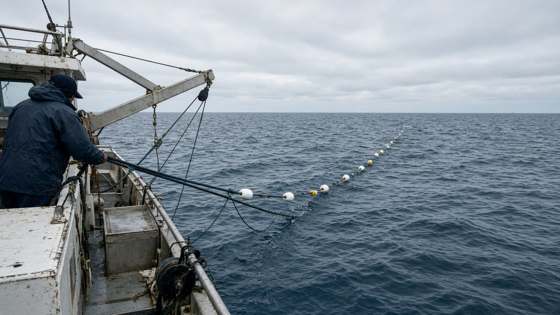
- Gear. Torn nets, rusty hooks or damaged traps can bruise, crush or abrade the catch, and slow, inefficient hauls leave fish struggling longer.
- Deck and tools. Rough or cracked surfaces hold residue and are hard to clean; dull knives make ragged cuts that drain poorly.
- Cooling systems. A weak chiller or an ice machine that has failed can leave the catch above safe holding temperatures.
- Holds and containers. Pitted, dirty or leaking holds spread contamination and meltwater between lots.
How Fishing Equipment Maintenance Protects Freshness
Fishing equipment maintenance speeds the catch to the chill
Fish quality falls with time and temperature. A working winch, sharp tools and a ready ice supply let the crew bleed, clean and chill fish quickly. Our article on why immediate handling matters explains how much difference the first hours make.
Stable cold temperatures
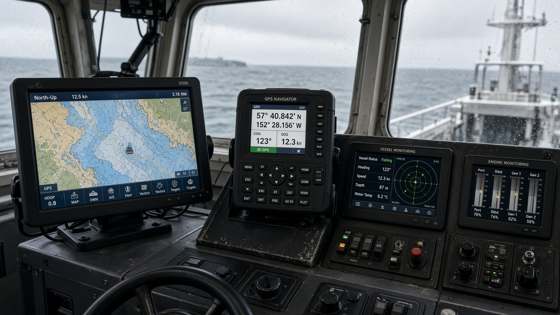
Refrigeration equipment that is serviced on a schedule holds temperature steadily, avoiding the warm and cold cycles that harm texture. Boats using refrigerated sea water or slurry ice rely on pumps, heat exchangers and sensors that must be checked regularly. For more detail, see refrigerated sea water and slurry ice.
Sanitation and Food Safety
Maintenance is also about cleanliness. Surfaces that are cracked, corroded or covered in old slime protect bacteria from cleaning. Pumps and hoses that are not flushed can recirculate contaminated water. Under U.S. rules, seafood processors operate under a preventive system called HACCP, which requires them to identify hazards and control points; the FDA describes it on its Seafood HACCP page. Its more detailed hazards and controls guidance covers temperature control and sanitation. How these rules apply on a particular vessel depends on whether it processes fish onboard, so check current rules for specifics.
Checking the Seafood Counter Itself
The same principle applies in the store. Check that the display case is cold, fish sits on plenty of clean ice with drainage, trays look clean, and raw and cooked items are kept apart. Staff who can say when the fish arrived and how it is stored are a good sign. If the case smells strong or the ice is dirty and melting, shop elsewhere.
Seasonal and regional factors also influence maintenance. Boats often schedule major repairs in the off-season, when fishing is closed, so that gear and refrigeration are ready when the season opens.
What Poor Maintenance Looks Like in the Fish
You cannot inspect a boat from the fish case, but you can often read the results.
- Soft, mushy flesh. This can signal long delays before cooling or temperature swings.
- Gaping fillets. Flesh that separates along natural seams is often a sign of rough handling or poor chilling.
- Dull, sunken eyes and sticky gills on whole fish. These point to age or inadequate icing.
- Strong or sour odor. Fresh fish smells clean and of the sea, not sharp or ammonia-like.
- Bruising or blood spots. Rough hauling or crushing can leave dark marks in the flesh.
None of these is proof of poor boat maintenance, since later steps in the supply chain matter too, but they are useful signals.
Why Maintenance Costs Show Up in Price
Keeping a vessel in good order is expensive. Refrigeration repairs, replacement parts, haul-outs for inspection and crew time spent cleaning all add up. Boats that invest in this often sell premium product to buyers who value consistency, which is one reason a higher price can reflect real quality. Our discussion of gear and seafood price looks at the cost side in more detail.
How to Shop for Well-Handled Seafood
- Ask when and where the fish landed and how it was chilled.
- Prefer sellers who can tell you about the boat, port or supplier.
- Choose fish displayed on plenty of clean ice, not sitting in meltwater.
- Smell the fish and look at it closely before you buy it.
- Take it home promptly and keep it cold; the FDA's advice about eating fish includes useful safe-handling reminders.
Quality Starts Long Before the Counter
Sharp knives, clean decks and a chiller that keeps its temperature are not glamorous, but they separate excellent seafood from the merely acceptable. Good fishing equipment maintenance is a quiet promise from the crew to the customer, and learning to read its effects in color, smell and texture makes you a better buyer every time you shop.