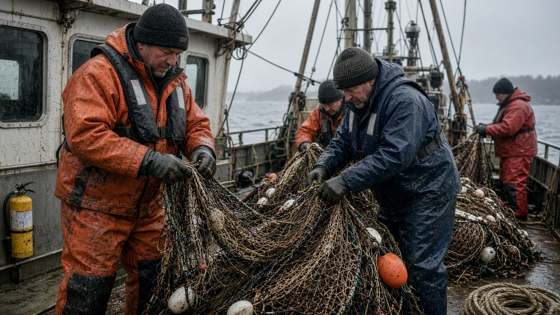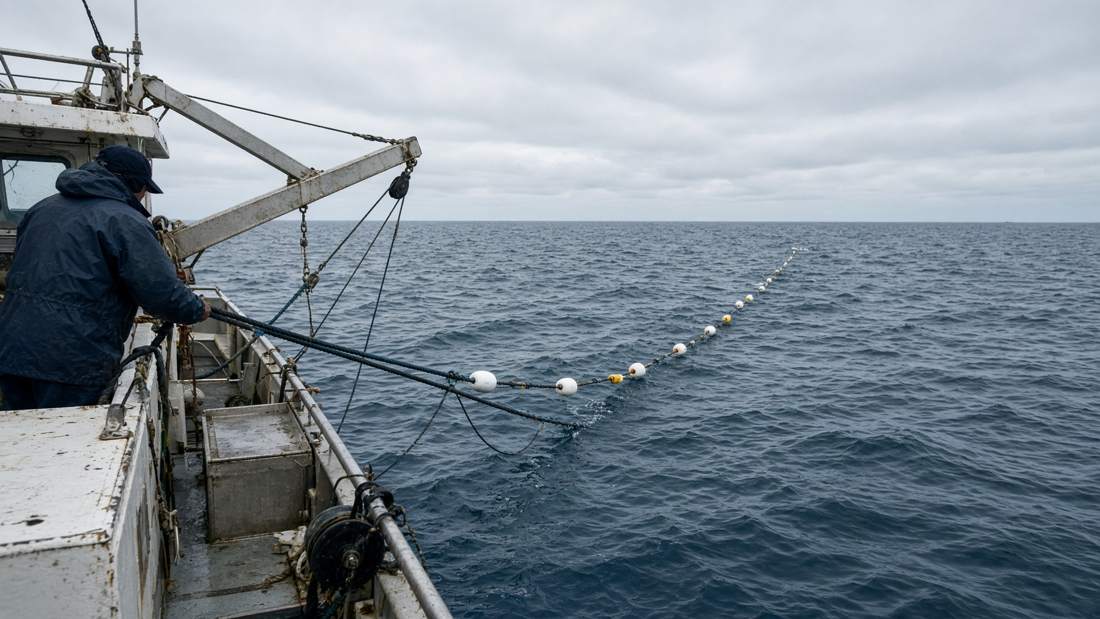
Crew training seafood quality comes down to a few skilled steps in the first minutes after a fish is caught: killing it quickly, bleeding it, gutting if needed, and getting it cold fast. A trained crew does these steps consistently, and you can taste and see the difference in firmer flesh, a cleaner flavor and fish that stays good longer in your fridge.
What Trained Crews Do Differently
- Dispatch fish quickly and humanely. A fish that struggles for a long time uses up energy reserves and can end up softer and less sweet.
- Bleed fish. Removing blood reduces dark patches and off flavors, and gives cleaner-looking fillets.
- Handle gently. Dropping, stacking or crushing causes bruises, gaping and split flesh.
- Chill immediately. Ice or chilled water slows spoilage, covered in icing at sea.
- Sort by size and condition. See sorting and grading.
- Keep clean surfaces and ice. Good sanitation protects safety and flavor.
Commercial seafood processors in the US operate under a food safety system based on hazard analysis, and the FDA's Seafood HACCP page describes it. Handling skills at sea are the first link in that chain.
Why It Matters for Fish You Cook at Home
Fish quality cannot be improved after it is caught; it can only be preserved or lost. Well-handled fish tastes sweeter and cleaner, cooks to a better texture, and gives you extra days in the fridge. Poorly handled fish may look acceptable for a day, then turn quickly.
How to Spot Well-Handled Seafood
You cannot meet the crew, but the product tells a story. Use this checklist at the counter:
- Look at the flesh. It should be moist, glossy and firm, with no gaps or tears between flakes.
- Check the color. Bright, even color is good. Brown edges, dark blood lines or gray patches are warning signs.
- Smell it. Fresh fish smells like clean seawater or has almost no smell. Sour, ammonia or strong fishy odors mean skip it.
- Press gently. The flesh should spring back.
- Look at whole fish. Clear eyes, red-pink gills and shiny skin are good signs.
- Ask about handling. A knowledgeable seller will tell you if it was bled, iced or frozen at sea.
Price Versus Skill
Premium-handled fish does cost more, and for raw dishes such as sushi-style preparations or ceviche it is worth paying for. For fish cakes, chowder, tacos or baked casseroles, a well-priced, properly frozen fillet does the job. Do not pay a top price for fish you will heavily season and cook through.
Training, Gear and Safety
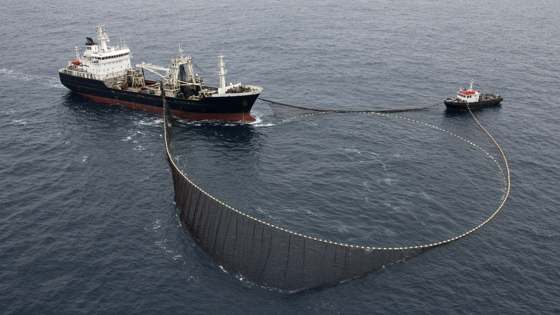
Skilled crews also work safely, which keeps boats fishing consistently and trips on schedule; see emergency procedures at sea. Skills extend to selecting the right gear, which affects how much damage fish take, as explained in how your fish was caught.
For safe fish at home, follow the FDA's advice about eating fish, which covers choosing and preparing seafood, including guidance for children and pregnant women.
Common Handling Problems You Can Spot
A few specific defects point to rough handling, and knowing them helps you ask for a better piece or a discount:
- Gaping: fillets that split into separate flakes, often caused by rough handling or warm storage. They cook up crumbly.
- Bruising or blood spots: dark red patches under the skin or in the flesh, a sign of impact or poor bleeding. They taste stronger and look unappealing.
- Soft belly: a mushy belly cavity on whole fish means gut enzymes were left to work for too long.
- Dull, sunken eyes and brown gills: age, or slow cooling.
- Slimy, sticky film: spoilage beginning.
What to Do With Imperfect Fish
Slightly gaped or bruised fillets that are still fresh and safe are fine for fish cakes, chowder or pie, where texture is hidden. Many counters will sell them at a lower price, so ask. Never buy fish that smells sour or ammonia-like, however cheap it is.
Questions That Get Real Answers
Instead of asking "Is this fresh?", which always gets a yes, ask specific questions that a good seller can answer quickly:
- When was this landed or thawed?
- Was it bled and iced on the boat, or frozen at sea?
- Can I smell it or see the whole fish?
- What came in best this morning?
A shop that welcomes these questions, lets you look closely and offers an honest alternative when something is not at its best is one you can rely on week after week.
Keep It Good After You Buy It
- Get seafood home quickly and keep it cold; use a cooler with ice if the trip is long.
- Store fresh fish in the coldest part of the fridge, tightly wrapped, and cook within a day or two.
- Freeze what you will not use soon, wrapped airtight.
- Thaw frozen fish in the fridge, not on the counter.
Good crew training seafood quality is invisible on the label but obvious on the plate. Favor shops that can describe handling, trust your eyes and nose, and you will consistently bring home fish that tastes the way the sea intended.