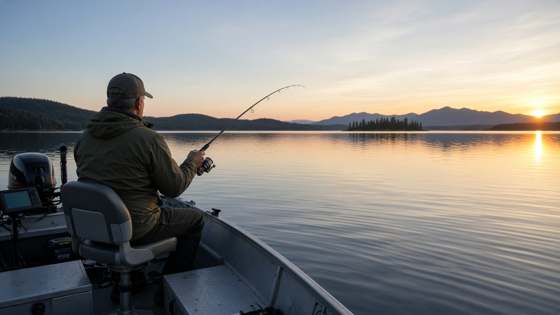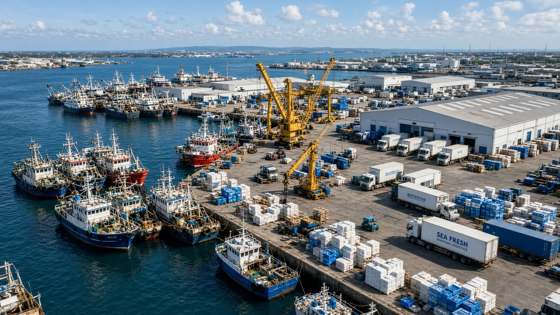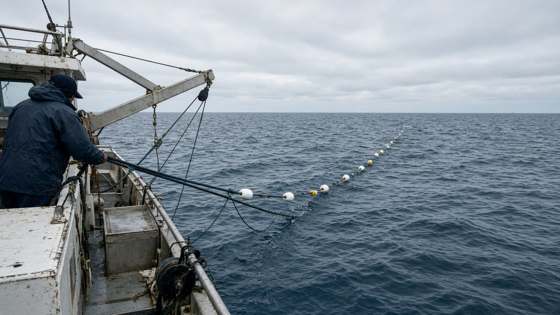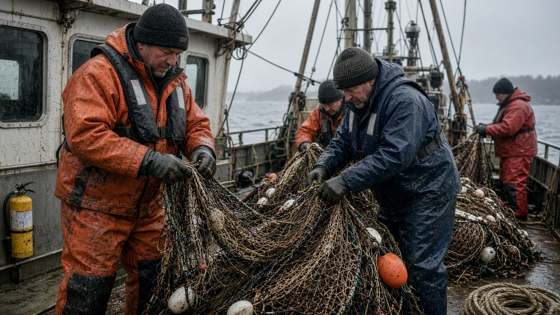
Small-boat vs large-vessel seafood is not a contest with one winner: small boats usually deliver fresher fish from short trips, while large vessels deliver steady supply, frozen-at-sea quality and lower prices. The better choice depends on the species, how you plan to cook it, and how soon you will eat it.
Small-Boat vs Large-Vessel Seafood at a Glance
| Factor | Small boats | Large vessels |
|---|---|---|
| Trip length | Usually a day or a few days | Days to weeks |
| Typical product | Fresh, local, limited quantities | Fresh on ice, or frozen at sea in bulk |
| Price | Often higher per pound | Often lower, especially frozen |
| Supply | Varies with weather and season | More consistent |
| Traceability | Often easy to name boat and port | Usually through company codes and labels |
These are general tendencies. Plenty of small boats are poorly iced and plenty of large vessels handle fish superbly, so treat boat size as one clue rather than a rule.
When Small-Boat Fish Wins
Choose small-boat or day-boat fish when you plan to eat it within a day or two and want the best texture: raw preparations, quick searing, or simple grilling. Local species in season are the best buys, since they have the shortest trip to your plate. Ask the counter for the day it was landed.
When Large-Vessel Fish Wins
Choose large-vessel product when you want value, convenience or something that is not local. Fish frozen on board shortly after capture, such as many cod, pollock, salmon and shrimp products, can be excellent, because freezing locks in quality quickly. A frozen fillet that you thaw yourself on the day you cook it is often better than "fresh" fish that has been sitting in a case for days.
Sustainability: Size Is Not the Whole Story
People often assume small boats are more sustainable and large ones less so. The truth depends on gear, stock health and management. A small fleet can fish a struggling stock, and a large fleet can fish a well-managed one with strong monitoring. Look up the species and fishery instead of guessing. The Seafood Watch ratings and NOAA's FishWatch profiles are free and quick, and our guide to sustainable gear certifications explains labels you may see.
How to Save Money Without Losing Quality
- Mix both. Buy fresh local fish for one special meal and good frozen fillets for weeknights.
- Ask what is abundant. A big local landing lowers price.
- Buy whole or bulk frozen. Whole fish, family packs and frozen portions cost less per serving.
- Skip the premium label for simple recipes. Fish going into chowder, tacos or fish cakes does not need top-shelf fillets.
Questions to Ask the Counter
- Was this landed this week, and by what kind of boat?
- Was it frozen at sea or on land, and how long ago?
- Is it wild or farmed, and where from?
- What would you buy today for the best value?
Freshness Signs That Matter More Than Boat Size
Check the fish itself. Eyes on whole fish should be clear and bright, gills red to pink, and flesh firm enough to spring back when pressed. Fillets should look moist and translucent, with no gaps, browning or strong odor. Shellfish should be alive or cleanly frozen. How quickly the fish was cooled matters most, which is explained in from hook to ice and icing at sea.
Bad weather affects small boats first, so expect gaps on rough days; see weather and seafood supply for how to plan around it.
Matching the Boat to the Meal
Use the way you plan to cook as your guide:
- Raw, ceviche or lightly cured: pay for the freshest, best-handled fish and buy it the day you serve it. Ask whether the fish is suitable to eat raw, since not all fresh fish is.
- Pan-searing, grilling, roasting: fresh day-boat fillets are a treat, but good frozen-at-sea fillets perform nearly as well.
- Soups, stews, curries, fish cakes: buy the best-value frozen fillets or trimmings. Flavor comes from the sauce, not the premium cut.
- Shrimp and scallops: most are frozen soon after harvest. Buying frozen and thawing yourself is often better than buying thawed "fresh" product, which may have been defrosted days ago. Ask if the product was previously frozen.
Reading Packaging on Frozen Seafood
Look for tight, intact packs with no frost crystals, no ice build-up inside and no flattened or discolored flesh. Heavy ice glazing can add weight you pay for, so compare the net weight. Check the date and the country or region of origin when listed. Thaw overnight in the fridge on a plate or in the sealed pack, and cook within a day.
The Simple Rule
Buy small-boat fish when you want it fresh and local and can eat it soon. Buy large-vessel seafood, especially frozen at sea, when you want value, variety and flexibility. For small-boat vs large-vessel seafood decisions, trust handling, freshness and a clear answer about where the fish came from over any single label or boat size.