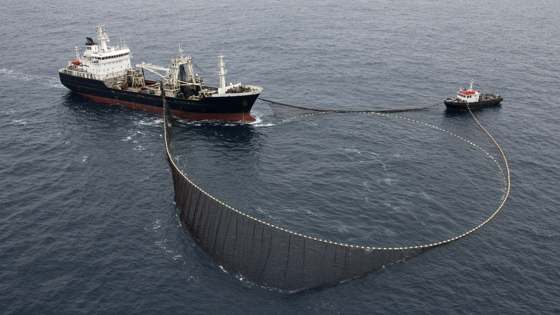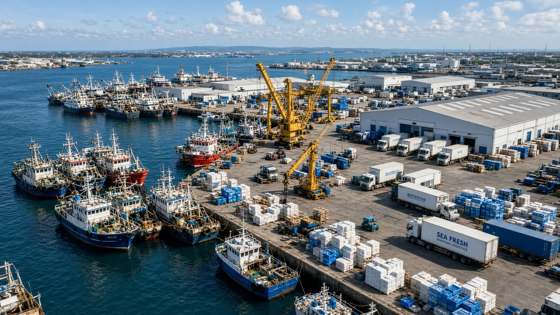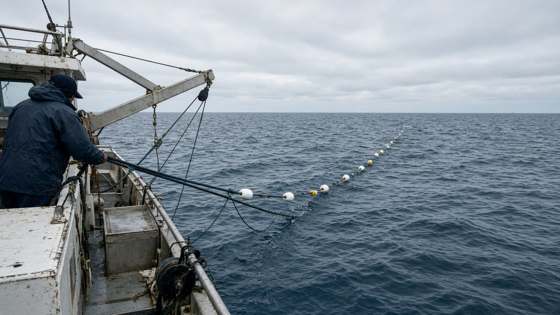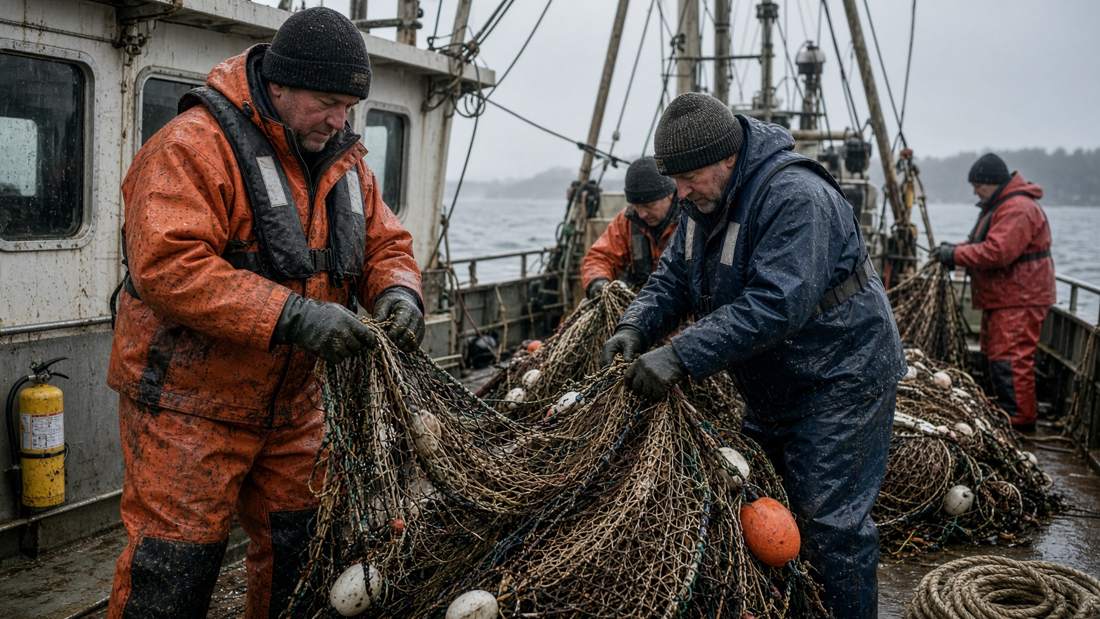
Unloading logistics, meaning how quickly and carefully a catch moves from boat to dock to truck, has a direct effect on how fresh your seafood is when it reaches the store. Fish that wait in the sun or a warm warehouse lose quality quickly, even if they were iced well at sea. For shoppers, the useful takeaway is that the landing date and the handling after landing matter at least as much as the catch date.
Quick answer: ask for the landing date, buy fish that has been kept on ice the whole way, and prefer sellers who can name the boat or port.
What Unloading Logistics Look Like at the Dock
When a boat reaches port, crew and dock workers move the fish ashore in totes or boxes. The fish may be weighed, graded, sold at auction or to a buyer, packed with fresh ice and loaded into refrigerated trucks. Each step is a chance for the fish to warm up. Port facilities that offer shade, ice, quick weighing and cold storage reduce that risk. Busy or poorly equipped ports can create queues, and delays mean time at a higher temperature.
Why Unloading Logistics and Dock Time Matter
Spoilage speeds up as temperature rises, so a few hours on a warm dock can use up a good part of the fish's shelf life. The FDA's guidance on fish and fishery products treats time and temperature as key controls. You do not need to read the whole document; the point is that cold, continuous handling is the standard.
How Unloading Delays Reach Your Plate
- Fish that sat warm may smell stronger and soften sooner in your fridge.
- Fillets may gape or look dull, a sign of slow chilling or rough handling.
- Shelf life at home can be a day or more shorter than you expect.
- Shellfish can die in transit, which makes them unsafe to cook unless they are species sold dead.
The first hours aboard also matter. Our article on immediate handling from hook to ice explains why the chain starts on the boat, and icing at sea shows what good chilling looks like.
What to Ask at the Seafood Counter
- "What day did this land?" Landing date is more useful than catch date.
- "Which port or boat did it come from?" Local, direct sellers often shorten the chain.
- "Was it ever frozen?" Previously frozen fish should be labeled and often is a good product.
- "When does your delivery arrive?" Buy on or just after delivery day.
Sellers who know their supply chain usually answer easily. Vague or evasive answers are a reason to look more closely at the fish itself.
Signs of Well-Handled Fish
Whole Fish
Clear, bulging eyes, red gills, shiny skin and a mild sea smell are the signs of a well-handled fish. Flesh should spring back when pressed.
Fillets and Steaks
Look for moist, translucent flesh with tight edges. Avoid pools of liquid in the tray, brown or yellow edges and a sour or sharp smell.
Why Port Efficiency Affects Price
Efficient ports can lower costs by cutting spoilage and waste, while congested ones add costs that sellers pass on in the price. Fish sold directly at the dock or through a short supply chain can be both fresher and cheaper, though it depends on the fishery. For background on how the U.S. system works, see NOAA's overview of fisheries management and the consumer pages on FishWatch.
Fresh, Previously Frozen or Frozen: Which Is Best?
A "fresh" label does not tell you how long ago the fish landed. A fillet that was frozen quickly after landing and thawed at the counter can be better than one that waited a week in a case. Frozen fish sold in sealed packages, kept at a steady cold temperature, is often a reliable and cheaper choice, especially for fish you will cook rather than eat raw. Check the package for ice crystals, freezer burn or a pool of liquid, which suggest it thawed and refroze.
Keeping the Cold Chain at Home
Once you buy, you take over the job. Bring a cooler bag, keep fish at the back of the fridge on ice, and cook it within a day or two. Freeze what you will not use soon. Check current food safety guidance for storage times by species.
Unloading logistics is invisible to shoppers, but its effects are not. Ask about the landing date, trust your eyes and nose, and favor sellers with short, cold supply chains. That is the surest way to buy fish that is as fresh as it should be.