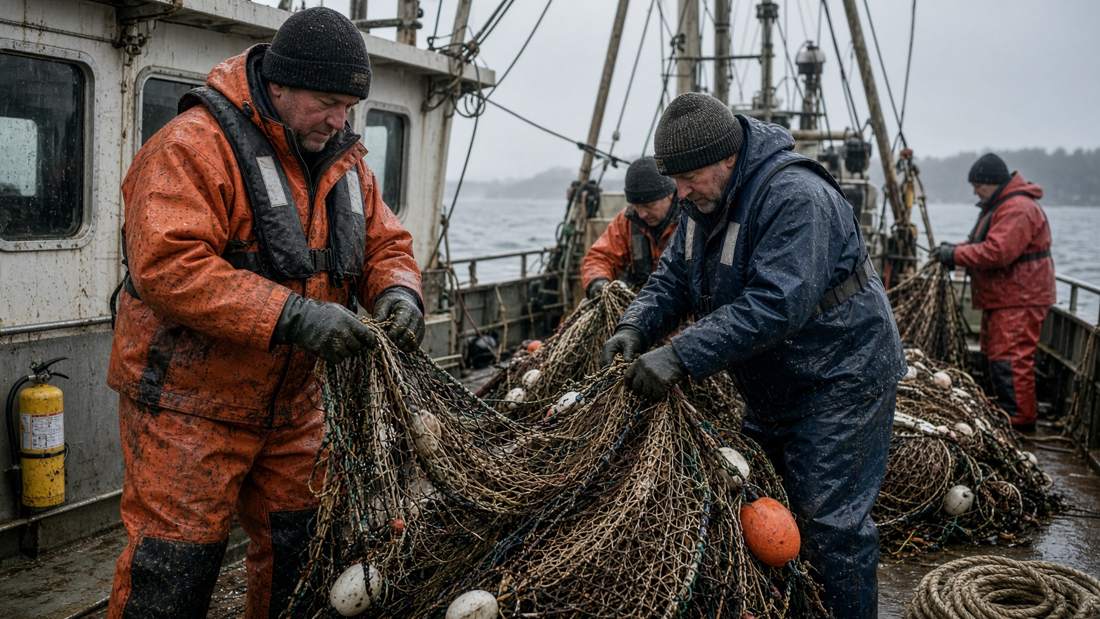
Fish handling after catch has more influence on taste than almost any other step, because quality starts dropping as soon as a fish leaves the water. Fast killing, bleeding and chilling keep the flesh firm, sweet and clean-tasting, while delays make it softer, stronger-smelling and shorter-lived in your refrigerator.
What Happens in the First Hour
When a fish is stressed and warm, its muscles burn through stored energy and chemical changes begin that affect flavor and texture. Enzymes soften flesh, bacteria multiply faster in warmth, and blood left in tissue can give a metallic taste. Good handling slows all of this.
- Quick, calm dispatch. Less struggle means firmer flesh.
- Bleeding. Cutting the gills or a major vessel lets blood drain, giving lighter, cleaner fillets.
- Gutting where appropriate. Removing the guts takes away strong digestive enzymes and bacteria.
- Cooling at once. Ice or very cold water brings the temperature near freezing, discussed in icing at sea.
- Gentle storage. Fish held on ice without crushing keep their shape.
Fish Handling After Catch Varies by Species
Oily fish such as mackerel, sardines and tuna spoil quickly and are especially sensitive to warmth. Lean white fish tolerate a little more. Shellfish are often kept alive, which is a separate system, described in live storage and fresher shellfish.
How Handling Shows Up in Your Kitchen
- Flavor: well-handled fish tastes clean and a little sweet; poorly handled fish tastes strong, flat or bitter.
- Texture: firm, springy, with large intact flakes after cooking.
- Appearance: bright flesh with minimal dark blood lines.
- Shelf life: an extra day or two before quality falls.
- Cooking results: fillets hold together on the grill and in the pan.
A Quick Shopper's Test
Ask to smell the fish if it is whole or loosely wrapped. It should smell like the sea, not fishy and sharp. Gently press a fillet with a clean finger; the flesh should spring back and not leave a dent. Check that cut surfaces look moist, and look for liquid pooling in the tray, which may indicate age.
Where Handling Goes Wrong
Problems can appear at any step: fish left on deck in the sun, ice that runs out, stacks that are too deep and crush the bottom layers, or long delays at the dock. After landing, transport and storage must stay cold, and safety systems such as the FDA's Seafood HACCP program focus on controlling time and temperature. The FishWatch site from NOAA also offers species profiles with guidance on flavor and texture.
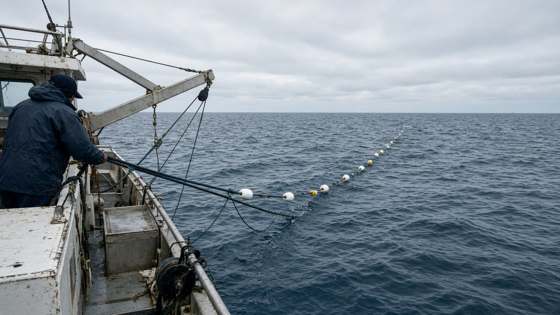
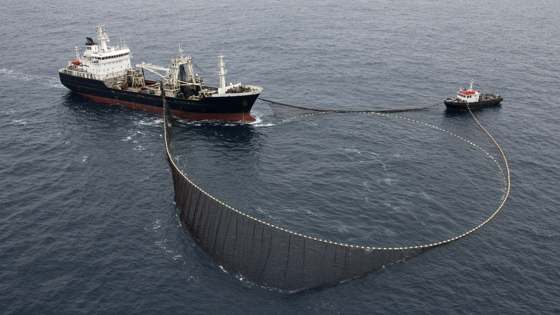
Skilled crews prevent many of these problems, as covered in crew training and better seafood. Gear matters too: a fish pulled quickly on a line is usually in better shape than one that spent hours stressed in a net, which you can compare in how your fish was caught.
Fresh, Previously Frozen or Frozen at Sea
"Fresh" does not always mean best. A fillet labeled fresh may be several days old, while a fillet frozen within hours of capture can taste better. Here is how to choose:
- Fresh, landed today or yesterday: best for raw, searing and simple cooking. Ask the date.
- Frozen at sea or flash-frozen: excellent value and quality, especially for salmon, cod, halibut, shrimp and scallops.
- Previously frozen, thawed in the case: fine if used the same day. Ask when it thawed and do not refreeze it unless the seller says it is safe to.
Money-Saving Handling Tips
Buying a whole fish and asking the counter to fillet it gives you the fillets plus bones and head for stock, often at a lower price per pound of meat. Freezing portions you will not eat soon avoids waste, which is the biggest hidden cost in seafood. If a case is marked down, check the smell, eyes and firmness, then cook it that day.
Handling also affects whether fish can be eaten raw. Only buy fish for raw dishes when the seller says it is suitable, since not every fresh fish is safe to eat raw, and ask how it was stored.
Take Care of It After You Buy It
You are the last link in the chain, so keep the good work going:
- Get fish into the fridge or freezer within an hour or two of buying; use an insulated bag in warm weather.
- Store fresh fish in the coldest part of the fridge, tightly wrapped, or on a tray of ice with a drain.
- Pat dry before cooking for better searing and flavor.
- Freeze extras in portions, with air pressed out, and thaw overnight in the fridge.
- Cook to 145 F (63 C), or until it flakes easily.
Spending Wisely
Pay more for top-handled fish when serving it raw or simply cooked, and save money on frozen or less pristine fillets for stews and fish cakes. A good seller will tell you which is which.
Fast fish handling after catch is the secret behind many great fish dinners. Look, smell, ask and chill promptly, and you will taste the difference from the hook to the fork.