Handlined and jigged seafood is caught one animal at a time on a line held by hand, and it often tastes better because the fish is handled gently, bled promptly and iced fast. If you are buying tuna, snapper, grouper or squid and the choice is open, handline or jig-caught is usually worth a modest premium, especially for raw or lightly cooked dishes.
How handlines and jigs work
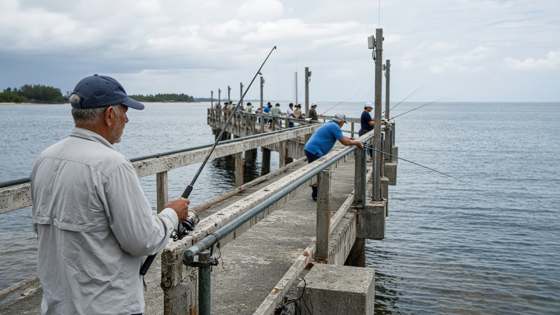
A handline is just a line with a baited hook, held and hauled by hand or with a simple reel. A jig uses a weighted lure with hooks, worked up and down to attract fish or squid. Jigging machines mechanize the motion, and squid jigging often uses bright lights at night to draw squid to the surface.
Boats are generally small and trips short, and the catch is hauled aboard individually. That one-at-a-time process means fishermen can decide immediately what to keep and what to return alive.
Why one-at-a-time catch tastes better
Less stress, less damage
Fish fighting in a crowded net build up lactic acid and may bruise, and both soften flesh and dull flavor. A fish brought in quickly on a line and killed right away tends to have firmer texture and cleaner taste. Some fishermen use a method of spiking the brain and bleeding the fish, widely known by the Japanese term ikejime, which can extend firmness and shelf life. The result is flesh that looks translucent and glossy rather than dull.
Faster to the cold
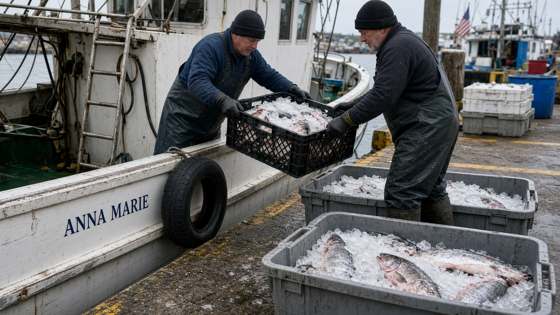
Small boats often ice the catch right away and land it the same day or the next. Our articles on immediate handling and icing at sea explain why speed to cold is the best predictor of freshness.
What you will find and what to expect to pay
| Seafood | Why handline or jig matters | Best uses |
|---|---|---|
| Yellowfin and bigeye tuna | Firm, bright flesh, often sold as sushi-grade | Seared, poke, sashimi |
| Snapper and grouper | Clean flavor, firm flakes | Whole roasted, grilled fillets |
| Squid | Tender, clean flavor, fewer abrasions | Quick fry, grill, stir-fry |
| Cod and haddock | Fine flake, small-boat freshness | Baked, poached, chowder |
Expect to pay more per pound than net-caught equivalents, sometimes noticeably more, because volumes are small and labor is high. The premium is easiest to justify for raw preparations and simple cooking, where handling quality shows. For stews, curries or breaded dishes, a net-caught or frozen product often makes more sense.
Low impact: what is true and what to check
Hook-and-line gear typically does not touch the seabed and tends to have low bycatch because the fisherman sees each catch and can release unwanted fish. That makes it one of the lower-impact methods, though it is not automatic: the health of the stock and local management still matter. Squid and tuna stocks vary by region, so consult Seafood Watch for current guidance and FishWatch for U.S. species profiles. Compare this with the broader approach in our guide to fishing methods.
How to verify "handline-caught" on a label
- Ask for the catch method, region and landing date. Reliable sellers can tell you.
- Look for traceability information such as a boat name or a code you can look up.
- Check the fish itself: bright, moist flesh, clean sea smell, no gaps, no browning.
- Be cautious of vague labels like "premium" without any detail. Terms vary, so check current rules for how claims are regulated.
Cooking handline and jig-caught fish at home
Tuna and snapper
Let simple preparation do the work. For tuna steaks about an inch thick, pat dry, oil lightly, season and sear in a very hot pan for about one to two minutes per side for a rare center. Cook longer for a medium result. For a whole snapper of about two pounds, score the sides, stuff with lemon and herbs, and roast at a high oven temperature for roughly 20 to 25 minutes until the flesh flakes near the bone. A thermometer reading 145 degrees Fahrenheit is the standard guidance for fully cooked fish.
Squid
Jig-caught squid is tender, so cook it either very fast or very slowly. Slice it into rings and stir-fry or deep-fry for one to two minutes, or braise for 30 minutes or more. Anything in between turns rubbery. Ask the seller whether it has been cleaned; whole squid costs less per pound but takes about ten minutes to clean.
Freshness checks and storage
- Fillets should look moist and translucent, with no gaping or dull patches.
- Whole fish should have clear eyes and red gills.
- Store raw fish on ice or in the coldest part of the refrigerator, and use within one to two days.
- If you are not cooking it that day, freeze it wrapped tightly in plastic, then foil.
For raw preparations such as poke, ask whether the fish is suitable to eat raw. Terms like "sushi grade" are not a formal standard, and the FDA's guidance on eating fish covers safe handling. Frozen and thawed fish is commonly used for raw dishes because freezing helps address parasites; check current rules and ask the seller how it was handled.
Price and value: when it is worth paying more
Handlined products can cost 20 percent to well over 50 percent more per pound than standard equivalents, depending on species and season, so choose where it counts. Spend on handline tuna for a seared steak or poke bowl, then choose less expensive fish for dishes with heavy sauces. Buying a whole fish, asking for trimmings for stock, and shopping on landing days all stretch the budget. A direct purchase from a fishing cooperative or community-supported fishery can shorten the chain and lower prices; see our guide on small boats versus big vessels.
When you can find it, handlined and jigged seafood rewards you with better texture and flavor in simple dishes. Buy small amounts, use it within a day or two, keep it very cold, and let the fish be the star.