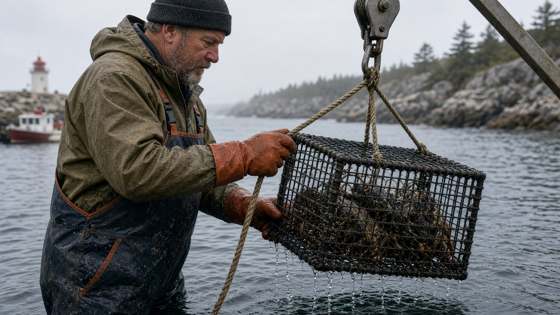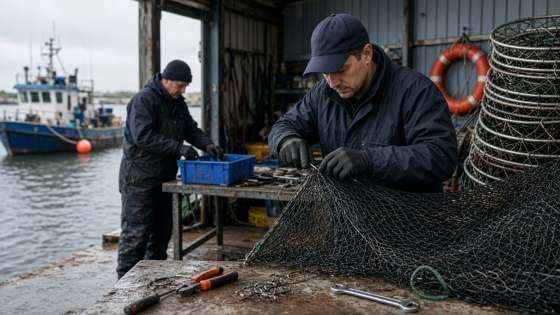
Weather and seafood supply move together because nearly every wild-caught fish and shellfish reaches the market only after a crew has made a safe trip out and back. When wind, swell or fog keeps boats tied to the dock, landings fall within days, and the fresh fish that was expected on Thursday simply is not there.
How Weather and Seafood Supply Are Connected
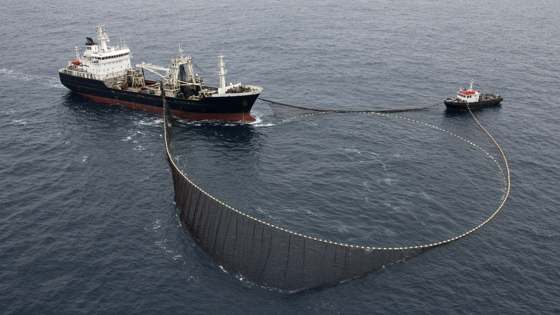
Small and mid-sized boats are the most exposed. A day boat that targets flounder, haddock or crab usually has limits on wind speed and wave height beyond which the captain will not leave port, and those limits are set by safety rather than by profit. Larger vessels can ride out more, but even they stop fishing when gear cannot be set or hauled safely. Many fisheries are also regulated by quota or by days at sea, so a lost day is not always made up later.
Weather works on supply in three separate ways:
- Trips that never happen. Gale warnings, small craft advisories and heavy fog keep fleets in port.
- Shorter or less productive trips. Crews that do go may cut a trip short, or fish less gear, when conditions worsen.
- Changes in where the fish are. Storms and temperature swings can move fish and shellfish into deeper or distant water, so catch rates drop even on calm days afterward.
Weather and Seafood Supply for Fresh Fish First
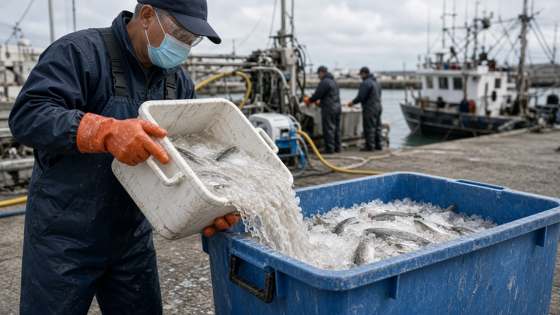
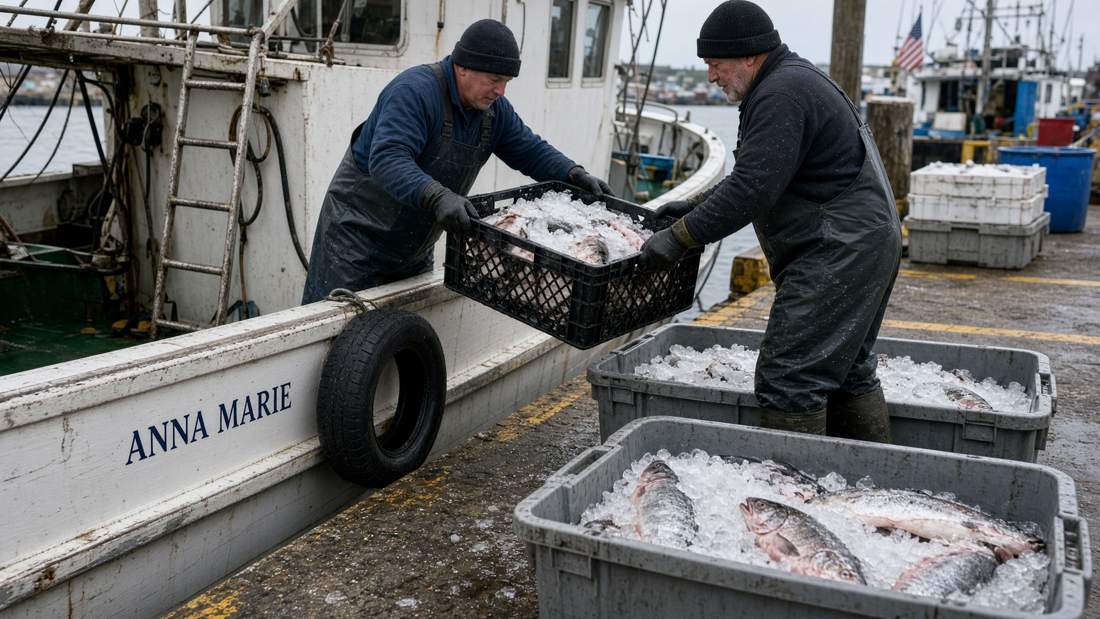
Fresh fish has a short shelf life, so it has almost no buffer. A trawler's catch might reach a wholesaler within a day or two of landing, and a shop buys what is available that morning. When landings stop, the counter has fewer choices and the fish that remains is bid up. Frozen product, farmed fish and canned seafood are far less sensitive, because they come from stored inventory or from controlled production.
What Storms Do to Seafood Prices
Prices follow the basic rule of scarce supply meeting steady demand. A cold snap or a run of winter gales can lift wholesale prices for species such as cod, haddock, sea scallops or local flatfish. The effect is usually sharpest for fresh, day-boat fish and weakest for items that are imported or frozen. Shops may pass on the increase, swap in a different species, or simply sell out earlier in the day.
Not every storm is bad news for the plate. Some fisheries are well timed with seasons, and a pause can leave stock healthier for later in the year. Still, shoppers should expect more variation week to week in winter in northern waters and during hurricane season along the Gulf and Atlantic coasts.
Hurricanes, Heat and Longer Disruptions
Large tropical storms can disrupt more than fishing days. They may damage docks, ice plants, processing facilities and road links, which slows recovery even after the sea calms. Warm-water events and unusual ocean temperatures can also change where species gather and how healthy shellfish beds are. NOAA Fisheries publishes information on how fisheries are managed in the United States, which helps explain why closures and quotas interact with weather.
Which Seafood Is Least Affected
If you want steady supply and steadier prices, look at categories that do not depend on a daily boat trip:
- Frozen at sea or flash-frozen fillets, which are held in inventory and thawed when you need them.
- Farmed fish and shellfish, where harvest timing is controlled. See the NOAA overview of aquaculture for background.
- Canned and pouched seafood, which has a long shelf life and barely reacts to a week of bad weather.
Farming has its own weather risks, such as heavy rain changing salinity in shellfish waters, but the effects are usually local and shorter.
How to Shop When the Forecast Turns Rough
A few habits keep dinner on track when a storm is in the news:
- Ask what came in today. A good counter will tell you which boats landed and which items are from earlier in the week or from frozen stock.
- Stay flexible on species. If halibut is scarce, ask for a similar firm white fish instead of paying a premium.
- Buy frozen on purpose. Quality frozen fillets are often a better choice than tired fresh fish.
- Check the sustainability picture. The Monterey Bay Aquarium Seafood Watch recommendations are a useful guide when you need to switch species.
- Plan for gaps. Keep a few frozen portions in the freezer during hurricane season and winter.
Reading the Signs at the Counter
Clear eyes, a clean ocean smell and firm flesh are good signs, but so is a staff member who can explain why a price changed. If a shop has the same fish at the same price after a week of storms, ask where it came from. Our guide on how your fish was caught explains why method and boat size affect how consistent supply is.
Weather Is Also About Freshness
Rough water affects handling, too. On a rolling deck it is harder to bleed, gut and ice fish promptly, and crews may make shorter trips to protect quality. That is one reason experienced fleets invest in seamanship and training, a topic covered in why skilled crews mean better seafood. Good icing practice, described in icing at sea, helps preserve fish when a trip runs longer than planned.
Seasonal patterns matter alongside storms, since fish move and spawn on their own schedule. For timing, read seasonal migration and the best times to buy.
The Takeaway for Your Next Shop
Treat the forecast as a clue. When the coast is facing a week of gales, expect fewer fresh options and higher prices on local wild fish, and lean on frozen, farmed or canned alternatives you trust. Understanding weather and seafood supply turns a frustrating empty case into a simple prompt to ask the fishmonger what is best today, and to have a good frozen fillet ready as a backup.