Sonar and fish finding technology lets fishing boats locate schools and seabed features with sound, and for shoppers it affects three things: how reliably certain fish show up in stores, how fresh they are and how well-managed the fishery needs to be. Better detection can mean shorter trips and quicker icing, but it also makes it easier to catch too much, which is why quotas and seasons exist. This guide explains the tech in plain terms and what to do with it when you buy.
How Sonar Works at Sea
Sonar sends sound pulses into the water and listens for echoes. Fish with swim bladders, schools, the seabed and rocky structures return different signals, and a screen shows them as marks. Common tools include:
- Fish finders: small units on boats of every size, from recreational skiffs to commercial vessels.
- Sidescan and multibeam sonar: wider views of seabed and fish below and to the sides of the boat.
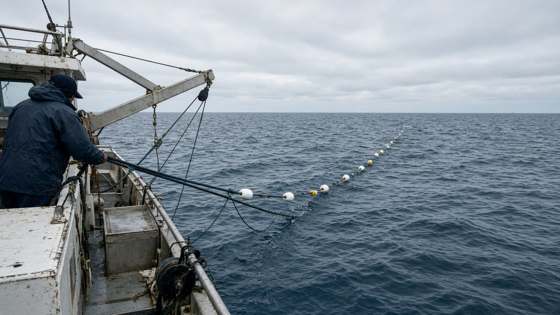
- Net sensors: devices on trawls and seines that report how much is in the net and how deep it sits.
- GPS and chart plotters: not sonar, but used with it to return to productive spots.
What Sonar and Fish Finding Mean for Freshness
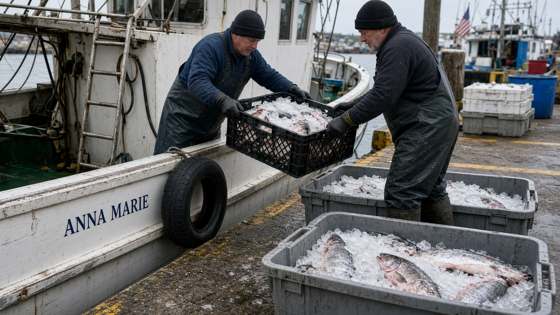
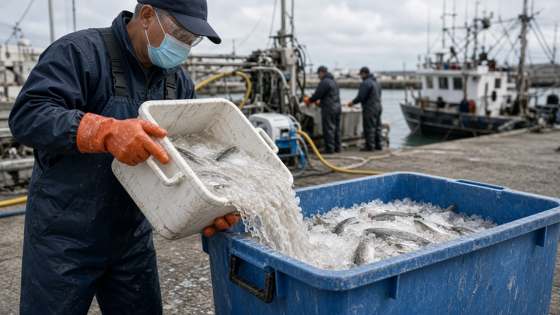
If a crew finds fish quickly, the boat spends less time searching and can return to port or begin icing sooner. Less search time and shorter hauls generally help quality, because fish chilled quickly stay fresher longer. See our guide to immediate handling and taste for why those first hours matter. Technology does not guarantee freshness. A boat can find fish quickly and still handle them poorly, so the counter checks below still apply.
Sonar and fish finding in price and supply
Fuel is a major cost for commercial boats, and finding fish faster burns less of it. That can ease the cost of fishing, as described in fuel costs and your seafood bill. But more efficient fishing is only good for shoppers when management keeps total catch within safe limits. Where it does not, stocks can decline and prices climb later. Agencies set catch limits, seasons and gear rules; NOAA explains the framework in its overview of U.S. fisheries management.
Benefits and Concerns
- Selectivity: sonar can distinguish a school of the target species from mixed groups, and sensors can help fishers avoid areas with young fish or protected animals, depending on the fishery.
- Efficiency: less time at sea and lower fuel use per pound.
- Overcapacity risk: if every boat can find every fish, catch limits must be strict. Rules differ by region, so check current rules and ratings.
- Habitat: mapping tools help fishers avoid snags and sensitive areas, though they can also help boats reach grounds they could not fish before.
Shopping Tips When Technology Drives the Catch
- Check a rating, not the gadget. Seafood Watch and FishWatch tell you whether the stock is healthy and the fishery well managed.
- Look for certified fisheries. The MSC label signals an assessment of stock health and management.
- Ask the landing day. "When did this come in?" is the most useful freshness question.
- Buy what is abundant. Species in season are usually better value. See the best times to buy your favorite fish.
- Use freshness signs: clear eyes, red gills, firm flesh, mild smell, plenty of ice.
- Be flexible. If your first choice is pricey, ask for a similar species. Frozen-at-sea fillets can be an excellent, cheaper substitute.
What it means if you fish for fun
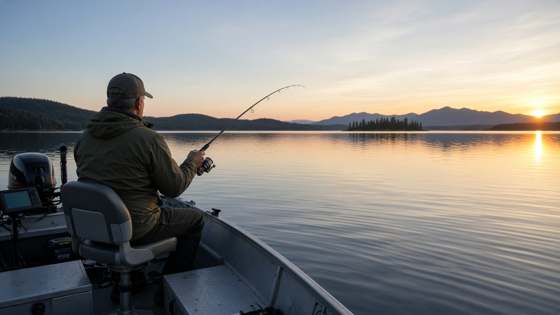
Many home anglers use fish finders. Local size and bag limits still apply however you find fish, and they change by water and season, so check current rules with your state wildlife agency before keeping a catch. Keep fish cold and clean them promptly, then cook within a day or two or freeze them well wrapped.
Sonar and fish finding is a quiet piece of equipment with a large effect on supply, cost and speed to market. As a shopper, the useful takeaway is to focus on what you can check: the rating, the landing day and the look and smell of the fish in front of you.