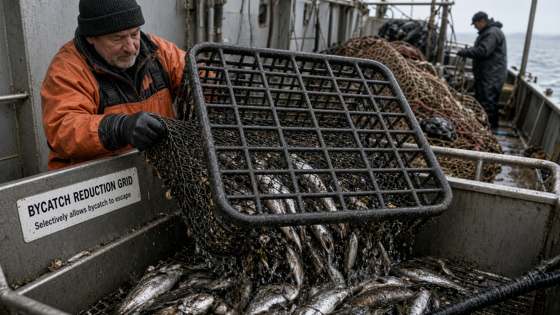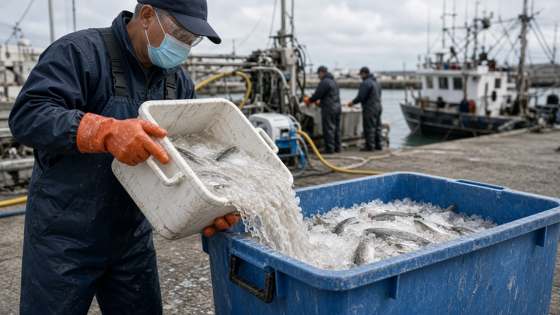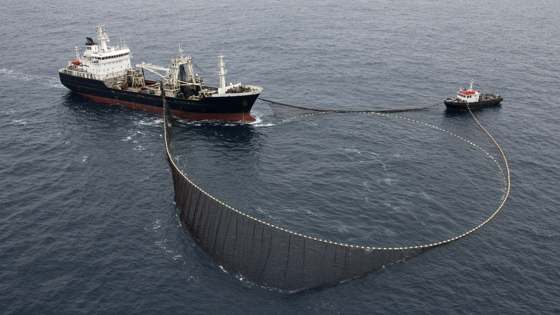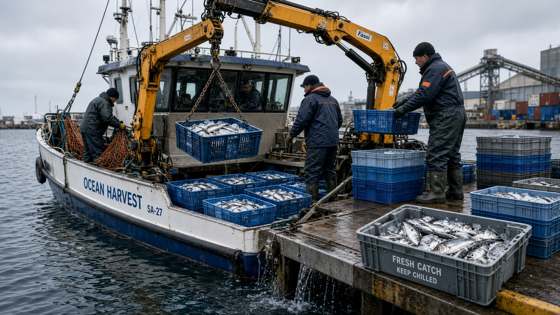
Fuel costs are built into the price of every piece of seafood, because boats burn diesel to reach the fishing grounds and trucks, planes and freezers burn more to get the catch to you. When fuel prices rise, some seafood gets noticeably dearer within weeks, while other products barely move. Knowing which is which helps you shop smarter.
Quick answer for shoppers: fish caught close to port and sold nearby, and fish that travels frozen by sea or truck, usually carry less fuel cost than fresh fish flown a long way. Flexible shopping saves money.
Where Fuel Costs Show Up in the Price
How fuel costs reach the boat
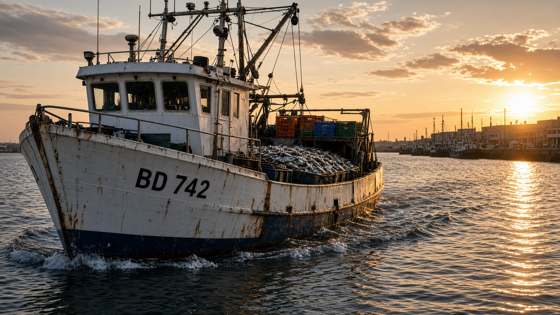
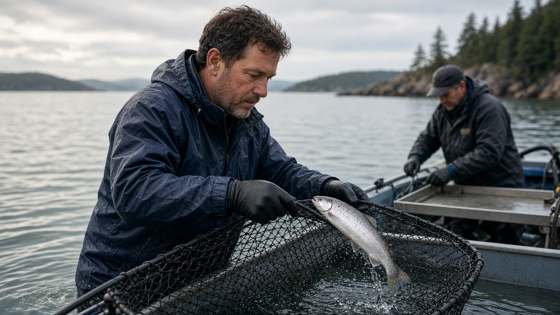
Boats burn fuel to steam to the grounds, search, tow or haul gear and return. Methods that drag heavy gear across the bottom generally burn more fuel per pound than methods like lines, traps or nets set from a drifting boat. The distance to the grounds matters too: a long trip on a big vessel uses a lot of fuel, but if it lands a large catch, the fuel cost per pound can still be low. Our explainer on small boat versus large vessel seafood compares those trade-offs.
On the road, rail and in the air
Transport is often the biggest fuel factor you can control. Fresh fish flown overnight carries a high shipping cost, while fish moved by truck or frozen and shipped in bulk costs less. Cold storage uses energy as well, and so does the refrigerated display case.
Behind the counter
Fuel cost reaches shops as higher delivery charges and electricity bills. Retailers may spread those costs across the whole case, so you may see small increases on many items.
Which Seafood Is Most Affected
- Fresh, imported or air-freighted fish. Highest shipping cost; prices can swing with fuel and freight rates.
- Species caught far offshore. More fuel per trip.
- Live shellfish. Need tanks, aeration and quick delivery.
- Locally landed fish. Often less affected, though boats still pay for fuel.
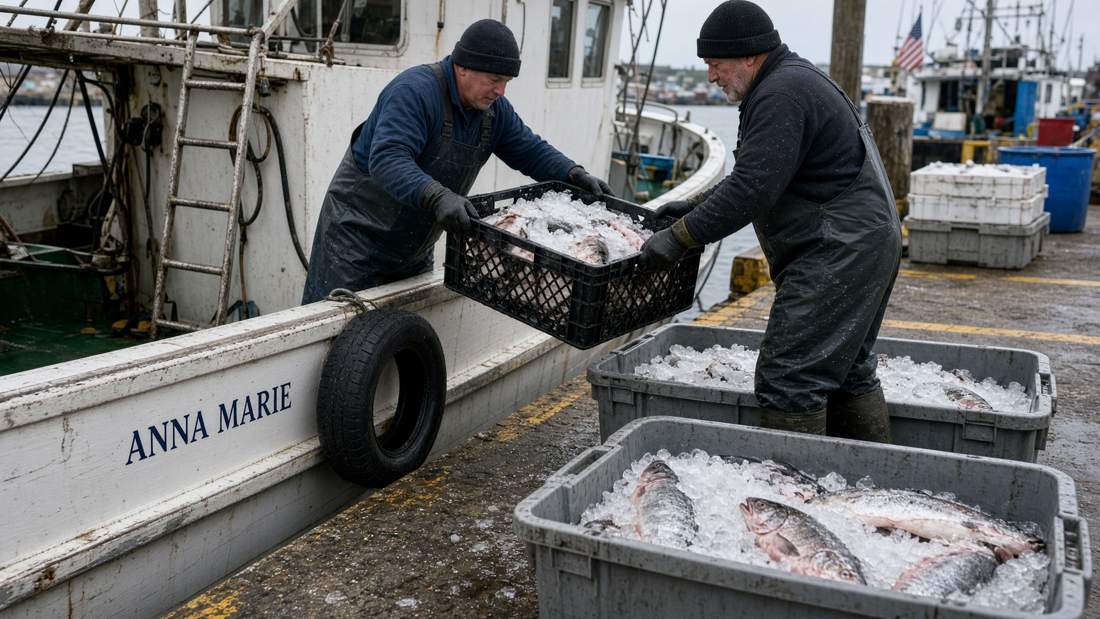
- Frozen and canned products. Shipped efficiently and stored for long periods, so they tend to be steadier in price.
Fuel is one factor among several. Supply, season, quotas and demand often move prices more, so avoid assuming a pump price change explains everything. For how supply is managed, see NOAA Fisheries' guide to U.S. fisheries management.
How to Save Money When Fuel Costs Rise
- Buy in season and local. Fish landed nearby avoids long shipping. See the best times to buy your favorite fish.
- Consider frozen. Quickly frozen fillets are often cheaper than fresh and can be very good. Thaw them overnight in the refrigerator.
- Swap species. Ask which similar fish is cheapest this week, such as one white fish for another in a baked or pan-fried recipe.
- Buy whole and have it filleted. Whole fish often costs less per pound, and bones and heads make stock.
- Look at canned and pouched fish. Canned salmon, sardines and tuna are shelf-stable, inexpensive protein.
- Ask about specials. Counters often discount fish that arrived in volume and must sell quickly, as long as it looks and smells fresh.
A Sample Weekly Plan
A flexible plan keeps the bill steady. Buy one fresh, local or in-season fish for the night you want something special, and cook it the day you buy it. Plan a second dinner around frozen fillets or shrimp that you thaw in the refrigerator the night before. Add a third meal built on canned salmon, tuna or sardines, such as fish cakes, pasta or a grain bowl. Whatever is left over, flake into a salad or sandwich the next day. This mix uses fresh fish where it matters and cheaper formats elsewhere, and it reduces waste, which is a saving in itself.
Questions to ask at the counter
- Which fish landed closest to here, and when?
- Is this fillet fresh or previously frozen and thawed?
- What is the best value fish today for baking or frying?
- Do you have whole fish I can have filleted?
What Not to Do to Save Money
Do not trade away freshness for a low price. Fish that is old, smells sharp or has dull, soft flesh is not a bargain. Safe handling matters whatever the price; the FDA's advice about eating fish covers storage and cooking basics. Also be cautious of "too good to be true" prices, and check the label for species and origin using FishWatch if the name is unfamiliar.
Reading the Price Tag
When a price jumps, ask the seller why. Honest answers include supply, weather, transport and fuel. You can compare the same item across several shops, and check whether a higher price reflects a better catch method or fresher product. Seafood Watch also lists sustainable alternatives that can be cheaper than popular favorites.
A Smarter Seafood Budget
You cannot control the price of diesel, but you can control where, when and what you buy. Favor local and seasonal catches, keep frozen and canned seafood in your rotation and stay flexible on species. When fuel costs push up your seafood bill, those habits let you keep fish on the table without compromising on quality.