Gear conflicts happen when different fishing methods use the same stretch of water at the same time, and they can make some seafood scarcer and more expensive at the counter. A trawler dragging a net through an area full of crab traps, for example, can tangle or destroy gear, and the cost of lost gear, lost fishing time and lost catch has to be recovered somewhere. For shoppers, the important thing is to recognize when a price jump or a shortage may be connected to conflict on the water, and to know how to adapt.
Quick answer: if a favorite fish or shellfish gets pricier or disappears for a while, ask the seller what changed and try a similar species, a different cut or a frozen option.
What Gear Conflicts Look Like
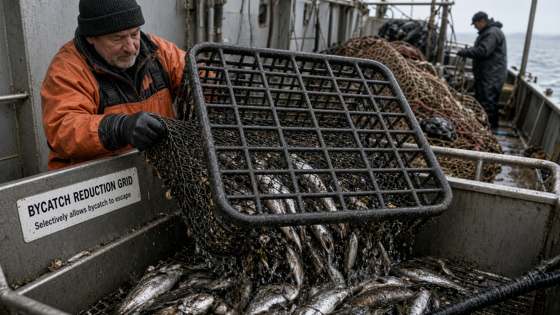
Fishing grounds are shared. A single bay or stretch of coast can host fixed gear such as traps and pots, drifting gear such as gillnets, towed gear such as trawls and dredges, and recreational anglers. Fixed gear stays in place for days. Towed gear moves across the bottom. When they meet, the result can be damaged traps, snagged lines and lost days.
Common Types of Gear Conflicts
- Towed gear running through areas set with traps or nets
- Large and small boats working the same grounds, with different seasons and quotas
- Commercial and recreational users competing for the same species
- Fishing gear crossing paths with shipping lanes, wind farms or aquaculture sites
To see how these methods differ, our guides to pots and traps and trawling explain how each works.
How Gear Conflicts Affect Seafood Prices and Supply
Conflicts raise the cost of getting fish to market. Lost or damaged gear has to be replaced. Boats may lose fishing days or have to travel farther to find clear grounds, which adds fuel cost, as discussed in fuel costs and your seafood bill. In some cases, management rules separate gear types by area or season to prevent conflicts, which can reduce the amount of a species that can be landed at certain times.
The effect on you can be subtle. You might see:
- A higher price for a species that was cheaper last season
- Gaps in supply, with the fish missing from the case for a few weeks
- More frozen or imported product replacing local fresh fish
- Different sizes or grades than usual
Many other things affect price too, including weather, demand and fish stocks, so a conflict is only one possible reason. Ask your seller before assuming.
How to Shop Around Gear Conflicts
Ask Practical Questions
- "Is this price change seasonal or due to supply?"
- "What is a good substitute right now?"
- "Is there a frozen version that is cheaper?"
Flexible Substitutions
If cod is scarce, haddock, pollock or hake are often good swaps in the same recipes. If Dungeness crab is pricey, other crab species or shrimp can fill in for many dishes. Seafood guides such as Seafood Watch list alternatives and rate them for environmental impact, which helps if you want a swap that is also a good choice.
What Management Does About It
Fishery managers in many places use area closures, gear restrictions and seasonal rules to reduce conflict and protect fish stocks. NOAA explains the basics in its overview of fisheries management in the United States, and rules vary by region, so check current rules where relevant. These measures may reduce short-term supply, but they aim to keep fisheries healthy so the fish remains available later.
Gear rules are also behind some label details. See regional gear rules for how local regulations show up in the choices you see.
Reading the Case When Supply Is Tight
When a species is scarce, sellers may offer something labeled with a similar name. Always check the full species name on the label, not just a market name such as "snapper" or "crab", which can cover several different fish. Ask whether the product is fresh, previously frozen, wild or farmed. A clear answer helps you compare value fairly.
Questions That Save You Money
- "Which fish is the best value today?" Counter staff often know what came in cheap.
- "Can you cut it for me?" Buying a whole side or whole fish and having it portioned can cut cost per serving.
- "What is the price per pound after trimming?" Bones, shell and skin change what you actually eat.
Smart Money Tips
- Buy in season. Local species are usually cheapest at peak landings.
- Buy frozen when fresh prices spike. Fish frozen at sea is often high quality.
- Ask for whole fish or less popular cuts, which often cost less per pound.
- Buy a larger amount when prices dip and freeze portions.
Gear conflicts are one of several hidden forces behind what you see in the seafood case. You cannot control them, but you can respond with a few good questions, flexible recipes and a willingness to try a different species when supply tightens.