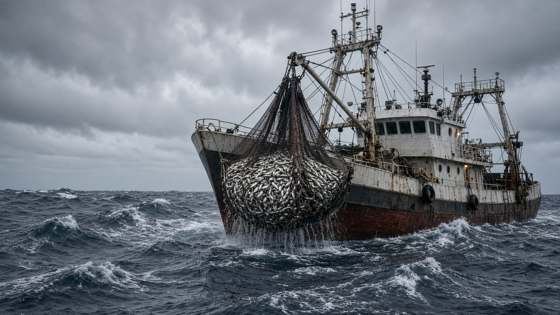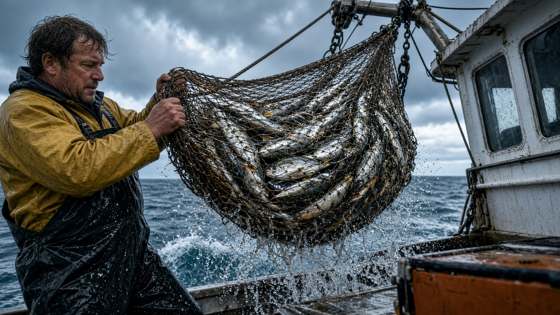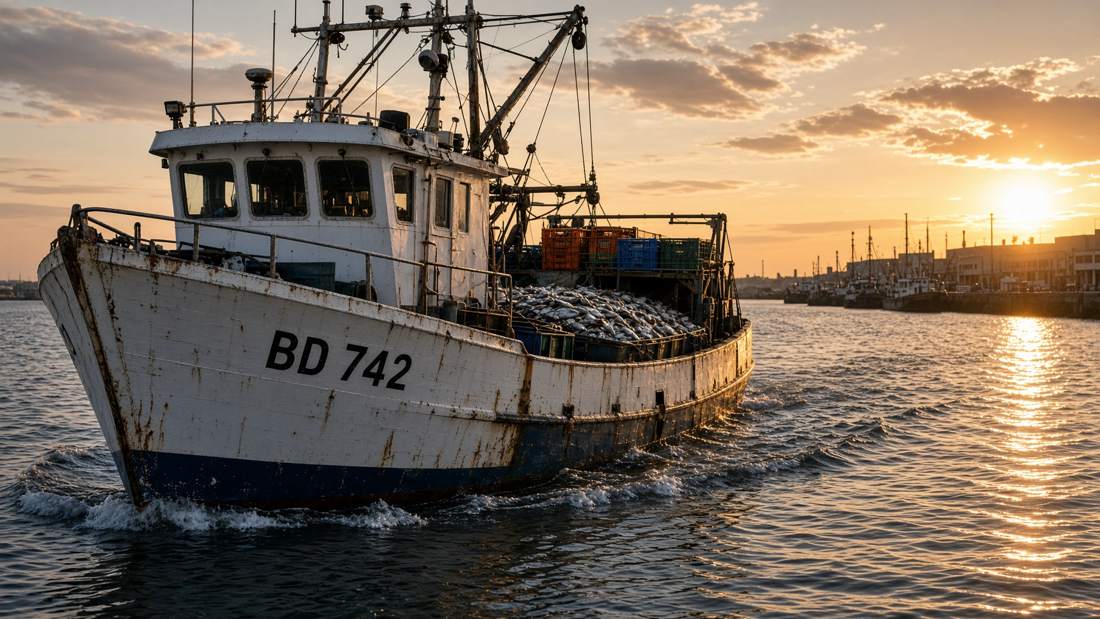
Trawling basics for shoppers: trawl-caught fish such as pollock, cod and shrimp is usually affordable, and quality depends on how quickly it was chilled or frozen, so frozen-at-sea can beat old "fresh." A trawl is a cone-shaped net towed behind a boat, and it lands more wild fish than almost any other gear, including the pollock in fish sticks and sandwiches. Prices stay low, though the method raises real questions about habitat and bycatch that you can weigh when you buy.
Bottom trawls and midwater trawls
Bottom trawling basics
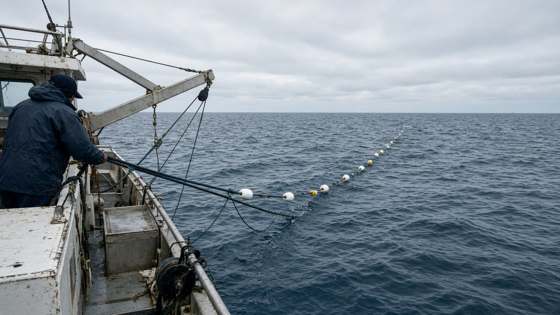
A bottom trawl is dragged along or just above the seafloor to catch species that live there: cod, haddock, flounder, sole, monkfish and shrimp. The net mouth is held open by heavy doors or a beam, and a footrope or rollers keep the lower edge near the bottom. Because the gear touches the seabed, its effect depends on the habitat. Towing over soft, muddy or sandy bottom that is regularly disturbed by currents typically has less lasting impact than towing over coral, sponge or rocky reef, where recovery can take many years.
Midwater trawling basics
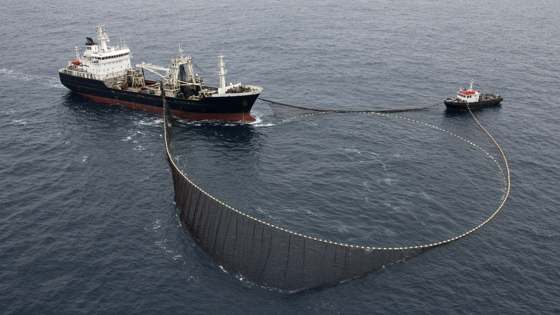
A midwater (pelagic) trawl is towed well above the bottom to catch schooling fish such as pollock, hake, herring, mackerel and some salmon. It usually does not touch the seafloor, so habitat damage is far lower, and catches can be large and relatively clean of other species when schools are located accurately with sonar. Our article on sonar and fish finding explains how crews target those schools.
What trawling means for seafood quality
Quality depends less on the net itself than on tow length and what happens after the net comes aboard. A short tow of an hour or two yields fish in better shape than a long tow where they are crushed under their own weight. Once on deck, fish need to be sorted, bled where appropriate and chilled quickly. Many modern fleets do much of this on board.
Some trawlers are factory vessels that process and freeze fish at sea within hours. This can produce excellent frozen product, such as pollock fillets and cod loins that are frozen at peak freshness. Others are smaller day boats that land iced fish at the dock the same day. Both can be good; the difference is in the handling chain. You can read more about the next step in icing at sea.
Bycatch and habitat: the main concerns
Trawl nets are less selective than hooks or traps, so non-target animals can be caught. Fisheries manage this with larger mesh and escape panels, separator grids that let large animals exit, seasonal and area closures, and catch limits on sensitive species. Shrimp trawls in particular use devices to release turtles and fish; see our guide to turtle excluder devices.
Because performance varies a lot, rely on fishery-specific information. NOAA FishWatch profiles U.S. trawl fisheries for pollock, hake, flatfish and others, and MSC certification applies to individual fisheries, including many trawl fisheries that meet its standard. Check current rules and ratings for the particular stock you are buying.
Common trawl-caught seafood at a glance
| Product | Typical trawl type | What to know |
|---|---|---|
| Pollock | Midwater | Staple of frozen fillets and surimi |
| Cod and haddock | Bottom | Ask where and how fast it was chilled |
| Flounder and sole | Bottom | Delicate, buy as fresh as possible |
| Hake | Midwater | Mild, flaky, good value |
| Shrimp | Bottom (with excluder devices) | Look for turtle-safe sourcing |
Tips for buying trawl-caught fish
- Choose fish that were frozen at sea if you cannot get truly fresh product; they often beat "fresh" fish that is several days old.
- Check labels for fishery and certification information.
- Favor midwater-caught species when habitat concerns are a priority.
- Ask for catch area, and learn the basic landing season for your preferred fish.
Money-saving and freshness tips for trawl seafood
Trawl fish is often the best-value seafood in the store, and a few habits stretch the value further.
- Buy frozen on purpose. Fillets frozen soon after capture are often better than "fresh" fish that has traveled for days. Thaw overnight in the refrigerator, not on the counter.
- Check the package. Look for ice crystals or freezer burn (white, dry patches). Heavy frost inside the bag suggests it has thawed and refrozen.
- Choose by use. Pollock and hake suit fish tacos, chowders and baking. Cod and haddock suit fish and chips. Delicate flounder is best pan-fried within a day of purchase.
- Ask about added water. Some frozen fillets carry a glaze of ice or a soak; the label should say. Heavy glaze means you pay fish prices for water.
- Cook gently. Most white fish is done when it flakes easily and reaches 145 degrees Fahrenheit inside. Overcooking dries it out, which people often blame on the fish rather than the method.
If you want fewer concerns about the seabed, choose midwater-caught pollock or hake, and for cod and haddock look for fisheries rated well by Seafood Watch.
With these trawling basics in hand, you can look past the net and focus on what matters: the fishery's management, the sort of seabed it works on and the care taken after the haul. That knowledge helps you buy affordable seafood without losing sight of quality or ocean health.