Turtle excluder devices, usually shortened to TEDs, are escape grids sewn into the neck of a shrimp trawl so that sea turtles and other large animals are pushed out through an opening while shrimp pass through to the back of the net. They are one of the best-known examples of gear designed to protect non-target wildlife, yet you will rarely see them mentioned on a bag of frozen shrimp or a fish counter sign. Understanding what a TED does, and where the paper trail behind it comes from, helps you read shrimp labels more realistically.
How a Turtle Excluder Device Works
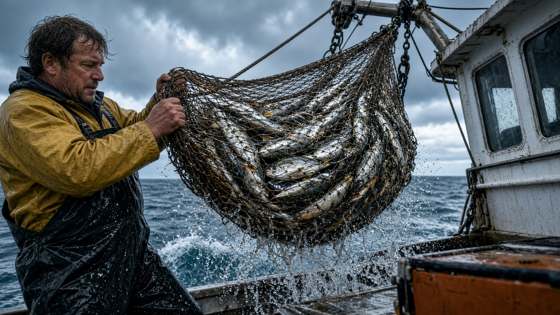
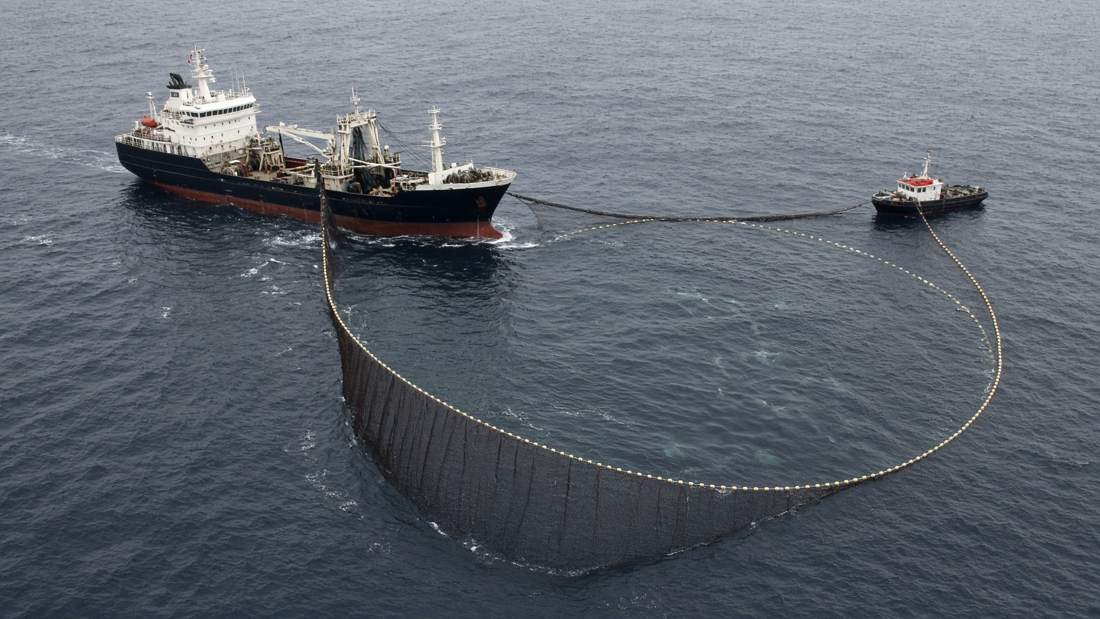
A shrimp trawl is a cone-shaped net dragged along or near the seabed. Anything that swims or gets swept into the mouth ends up funneled toward the closed end, called the codend. That is a problem for sea turtles, which breathe air and can drown if they are trapped underwater for long periods in a tow.
A TED is a frame of metal or other rigid bars set at an angle inside the net just ahead of the codend. Small animals, including shrimp, slip between the bars and continue to the back of the net. Larger animals hit the bars and slide along them toward an opening in the net, where they can swim out. Designs differ, with some openings on the top of the net and some on the bottom, and regulators set the specifications for bar spacing, angle and opening size.
Why Turtle Excluder Devices Matter for Shrimp Shoppers
Shrimp is one of the most popular seafood items in the United States, and a large share of what is sold is imported. Because the gear used to catch wild shrimp can interact with sea turtles, the use of turtle excluder devices has become a central measure of whether a wild shrimp fishery is responsibly run. The idea behind the rules is simple: a shrimp trawl that carries a properly installed TED should catch fewer turtles than one that does not.
For a wider look at why unwanted catch matters, see our guide to bycatch reduction devices, of which the TED is one of the oldest examples.
What U.S. rules say about turtle excluder devices
In the United States, NOAA Fisheries requires TEDs in many shrimp trawl fisheries, and it sets technical standards for the devices. U.S. import law also ties to this issue: shrimp imports are tied to a program under which exporting nations must show that their harvesting practices protect sea turtles comparably to U.S. practices, or that their fishing environment does not threaten turtles. The list of certified nations and the specifics change over time, so check current rules on the NOAA and State Department pages rather than relying on a summary. A good starting point is the NOAA overview of U.S. fisheries management.
Why the Label Rarely Tells You Anything
Here is the gap that surprises many shoppers. A TED is a piece of equipment on a boat. Once shrimp are frozen, processed and packed, nothing about the product shows whether the net had a TED, whether it was installed correctly or whether it was open and functioning. Several reasons explain why packaging stays silent:
- Country-level certification, not boat-level: import rules look at a nation's program, not each vessel, so a certified country does not guarantee every individual boat complied.
- Mixed supply chains: shrimp from many boats, farms and processors are often combined, making vessel-level claims hard to support.
- No standard wording: there is no required "TED used" statement on retail packs, so any such claim is voluntary.
- Farmed versus wild: a large portion of shrimp is farmed, where TEDs are irrelevant. A label saying "wild" or "farmed" tells you which question applies.
How to Buy Shrimp With More Confidence
Since the TED itself is invisible at the counter, rely on other signals.
- Check the origin label. Country of origin and method of production, wild or farmed, are required on many seafood products in the United States under country-of-origin labeling rules. The USDA's COOL page explains the requirements.
- Look at independent ratings. Seafood Watch rates shrimp by region and production method, and its assessments consider impacts on other species, including turtles.
- Look for certification. Some wild shrimp fisheries are certified under the Marine Stewardship Council standard, and farmed shrimp may carry other programs. Check what the logo covers.
- Ask your fishmonger. Ask where the shrimp came from and how they were caught. A knowledgeable seller will often know the fishery or at least the supplier.
- Consider domestic shrimp. U.S. fisheries operate under federal requirements, and FishWatch maintains profiles of species such as Gulf and Atlantic shrimp.
Related gear questions worth asking
TEDs are one part of a larger picture. Trawl design, tow length and handling on deck also affect outcomes for non-target animals and for the shrimp themselves. If you are curious how the net itself works, the primer on bottom and midwater trawls is a good next read.
Honest Limits of the Device
A TED is effective only when it is the right size for the net, properly rigged and kept clear of debris. Poorly maintained or illegally modified devices can fail to release animals. That is why enforcement, inspections and observer programs are important companions to the hardware, and why transparency from suppliers is more valuable than any single logo.
Shrimp Buying Checklist
- Read the bag first: look for "wild" or "farmed" and the country. Wild shrimp is the type where TEDs apply.
- Check the ingredients: shrimp should list shrimp, and possibly salt. Long lists of phosphates add water weight, so you pay shrimp prices for water.
- Buy frozen, thaw yourself: most "fresh" shrimp at the counter was previously frozen. Frozen bags let you thaw only what you cook, in the fridge overnight or under cold running water for 15 to 20 minutes.
- Look for firm, translucent flesh with no black spots on the shell or yellowing, and no strong ammonia smell.
- Compare count per pound: a bag marked 31/40 holds 31 to 40 shrimp per pound. Smaller counts mean bigger shrimp and a higher price per pound.
The next time you buy shrimp, treat the absence of a TED claim as a prompt to look at origin, production method and third-party ratings. A few seconds with those details will tell you more than the gear ever could from the packaging alone, and turtle excluder devices will keep doing their quiet work offshore either way.