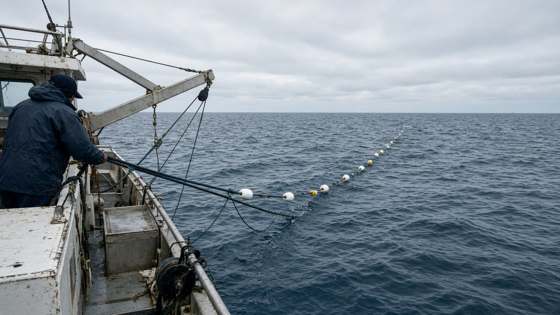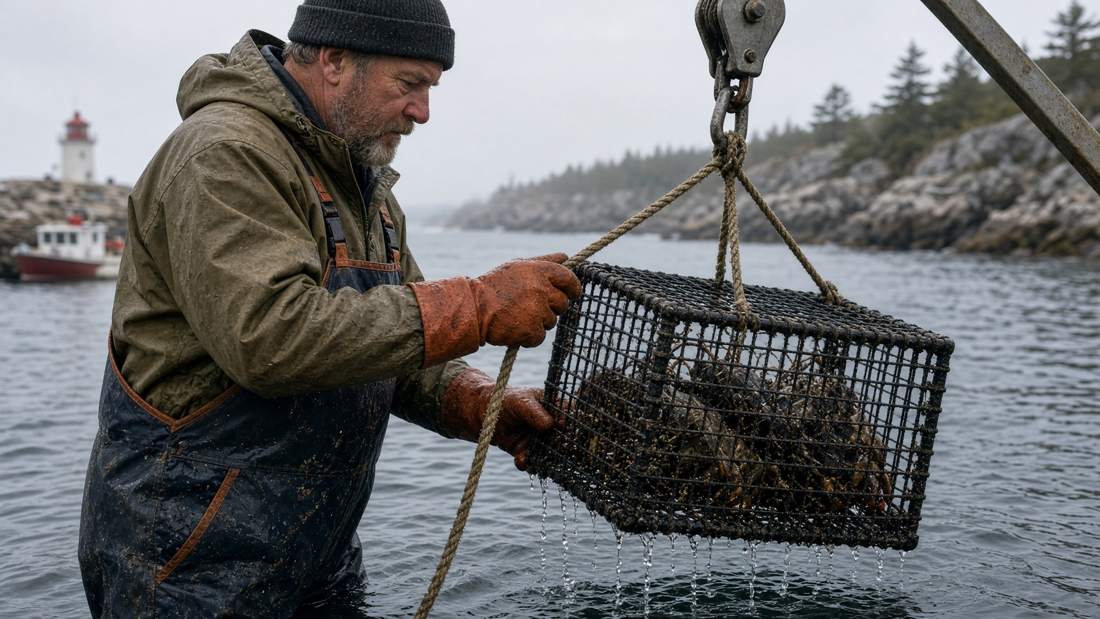
Bycatch reduction devices are modifications built into fishing gear that let unwanted animals escape before they are hauled aboard, and they are one of the most practical tools fisheries have for making seafood more ethical. Bycatch means any animal caught along with the species the boat is actually targeting: undersized fish, other commercial species outside the quota, seabirds, sea turtles, marine mammals and sharks. Some of it is released alive, but a large share may not survive the capture. Devices that cut bycatch at the source are far more effective than trying to sort and release animals on deck.
What Bycatch Reduction Devices Actually Do
A bycatch reduction device is not a single gadget. It is a category of gear changes, and each one exploits a difference in size, shape or behavior between the animals you want and the ones you do not. Fish and other animals react differently when a net moves toward them, and designers use that.
Common approaches include:
- Escape panels and windows: sections of larger mesh or open gaps in a trawl or pot that smaller or differently shaped animals can swim through.
- Grids and grates: rigid bars fitted inside a net so large animals are guided out through an opening while smaller target species pass through to the codend.
- Square-mesh sections: mesh turned so it stays open under tow, which gives juvenile fish a better chance to slip out than traditional diamond mesh that pulls shut.
- Escape rings and vents in traps: openings sized so undersized crab, lobster or fish can leave the pot.
- Lights, acoustic deterrents and streamer lines: tools that keep seabirds, dolphins or other animals away from the gear in the first place.
Why Selectivity Matters to Seafood Shoppers
When people talk about ethical seafood, they usually mean two things at once: the health of the stock being fished and the wellbeing of the other animals sharing the water. Bycatch reduction devices serve both. Releasing juveniles lets them grow and spawn, which protects future supply. Letting turtles, mammals and non-target species escape reduces the wider ecological footprint of the fishery.
There is a quality angle too. A cleaner catch has less crushing and less time spent in a crowded net, and the crew spends less time sorting. Less handling generally helps the fish that do end up on ice. Our guide to how vessel handling affects the fish you buy explains why those minutes matter.
Bycatch reduction devices in trawl fisheries
Trawling is where these devices are most widely discussed, because a moving net can sweep up a wide mix of species. Fisheries managers in many regions require specific modifications, and the details vary by fishery, species and country. If you want the basics of the gear itself first, read Trawling Basics. Shrimp trawls, for example, have long been a focus because the small mesh needed to hold shrimp also holds almost everything else that swims in.
Devices in longline, gillnet and trap fisheries
Selective design is not limited to trawls. In longline fisheries, measures such as weighted lines that sink quickly, streamers that scare seabirds and different hook shapes are used to reduce unintended catch. Gillnet fisheries have tried acoustic pingers and adjusted mesh sizes. Pots and traps often include escape vents. For a closer look at one of those lines of defense, see hook selection and the fish you buy. Which measures are required, and how strictly, depends on the fishery and the regulator, so check current rules for any specific one.
How Effective Are They?
Honest answer: it depends on the device, the fishery and how it is used. Some designs have a strong track record and are mandatory in certain fisheries. Others are still being tested, and results can differ between regions or even between boats using the same equipment. A device that is poorly installed, damaged or left open can fail, which is why enforcement and observer coverage matter as much as the hardware itself. Fisheries agencies such as NOAA Fisheries publish information on how fisheries management works in the United States, including measures meant to limit bycatch.
How to Shop for Lower-Bycatch Seafood
You will almost never see the words "bycatch reduction device" on a package, so you need indirect signals. These are the most reliable:
- Look for third-party certification. The Marine Stewardship Council runs a fishery standard that assesses the impact of a fishery on other species in the ecosystem. You can learn more at msc.org.
- Check a consumer guide. The Monterey Bay Aquarium's Seafood Watch program rates many species by fishing method and region, and bycatch is one of its criteria.
- Ask where and how it was caught. A good fishmonger should be able to name the species, the region and the gear type. If the answer is vague, that tells you something.
- Prefer methods with inherently low bycatch. Hook-and-line, trolling and trap fisheries often catch fewer unwanted animals than some other gear types, though results vary.
- Use the official profiles. FishWatch, run by NOAA, summarizes the status and harvest methods for many popular species.
Limits to Keep in Mind
No device eliminates bycatch entirely, and a certification logo is not a guarantee that every single boat performs perfectly. Imported seafood can also be harder to trace, since rules differ by country. Treat these devices as one factor among several, alongside stock health, management quality and traceability. Buying a range of species, rather than leaning on the same few popular ones, also spreads fishing pressure.
A simple question to ask at the counter
Try asking, "Was this caught with gear designed to reduce bycatch?" Even if your fishmonger cannot answer on the spot, the question signals that shoppers care. Over time, that demand helps push suppliers toward fisheries that invest in selective gear.
Quick Shopper Checklist and Price Tips
- Do not pay extra for a vague claim. "Dolphin friendly" or "eco-caught" with no certifier named is marketing, not proof. A named program you can look up is worth more.
- Expect modest price differences. Selective gear can lower catch volumes per trip, but certified and well-managed fish is often priced close to uncertified fish of the same species. Compare per-pound prices before assuming a premium.
- Frozen is fine. Fish frozen at sea or soon after landing keeps its quality, and frozen packs usually list origin and method, which makes them easier to check than fresh fillets with no sign.
- Rotate species. If your usual fish is rated poorly, ask for a similar alternative, such as another white fish for cod.
Bycatch reduction devices will not appear on a label, but they shape what ends up in the case. Choosing certified or well-rated seafood, asking about gear and favoring selective methods are practical ways to back the fisheries that use them.