Net repair and mending is the routine work of finding torn mesh, damaged knots and worn lines in a fishing net and fixing them before the next trip, and it remains a core skill on working boats even in an age of machine-made gear. A damaged net catches differently, handles fish more roughly and can fail at the worst time. That is why traditional mending techniques still matter, and why the condition of a net quietly influences the seafood that ends up in the case.
What Net Mending Involves
Netting is a grid of twine tied or knitted into mesh. When a piece of seabed, a wreck, a large fish or a propeller damages it, the grid opens into holes or tears. Mending restores the mesh so the net keeps its shape and its intended mesh size. The basic tools have changed little over generations: a netting needle loaded with twine, a gauge to keep mesh openings consistent and a sharp knife. Fishers learn to tie a sheet bend or a mesh knot that holds under strain.
Repairs generally fall into three types:
- Small hole repair: replacing a few broken bars of mesh so the opening closes cleanly.
- Patching: cutting out a damaged section and lacing in a new piece of netting, with edges matched mesh to mesh.
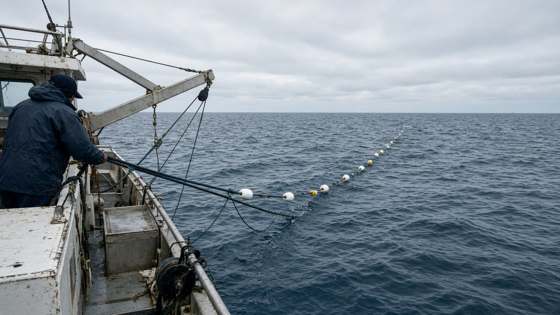
- Edge and rope work: repairing the lines, floats and weights along the edges so the net hangs and fishes correctly.
Why Traditional Net Repair Techniques Still Matter
Modern gear is strong, but it is not immune to wear, and repair is often faster and cheaper than replacement. Hand skills also matter because damage rarely happens in a convenient place. A crew far from port needs someone who can fix a tear on deck, in a swell, with limited tools.
Several reasons explain why the practice persists:
- Cost control. New nets are expensive. Repairing extends their life and keeps operating costs down, which is one of the factors behind price covered in rigging, ropes and seafood price.
- Selectivity. A net with the wrong mesh size or large holes can let target fish escape or catch the wrong sizes. Keeping mesh to specification supports the rules explained in why net mesh size matters.
- Waste reduction. Fixing and reusing gear means fewer discarded nets, which lowers the chance that damaged gear ends up lost or abandoned.
- Safety. Frayed lines and weak ropes can fail under load, endangering crew on deck.
Net mending and seafood quality
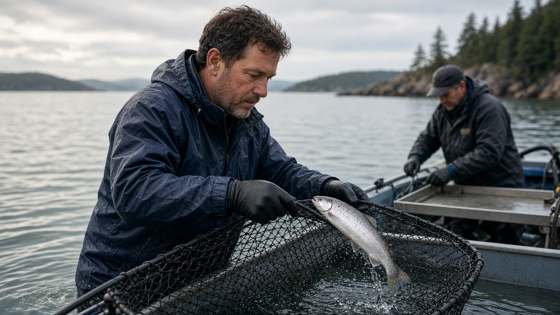
The link between net repair and quality is indirect but real. Torn nets can let fish thrash, tangle and bruise inside the gear, and long, awkward hauls cause delays before the catch is iced. A well-maintained net fishes cleanly and hauls predictably, giving the crew time to handle fish promptly. This ties into the broader issue of equipment maintenance and seafood quality, where gear condition affects freshness, appearance and yield.
Where Mending Happens
On small boats, much of the work takes place on deck or on the dock between trips, often by the captain and crew. Larger vessels may carry dedicated net workers, and many ports have net lofts or shore-based specialists who handle bigger repairs. In some fishing communities, mending is a social tradition passed down within families. That knowledge is part of what keeps small-scale fisheries running, and it connects to the traits that shoppers often value in smaller vessels.
Modern Gear and Repair
Synthetic twine, knotless netting and heat-set materials have changed how nets are built, and some repairs now use machine-assisted tools. Even so, the principles remain the same: match the mesh, keep tension even and avoid leaving weak points. Manufacturers and fisheries agencies provide guidance on gear standards, and the Food and Agriculture Organization's fisheries pages describe many fishing gear types and their upkeep. Rules about mesh size, gear modification and repair vary by fishery and region, so check current rules for the specific gear in question.
What shoppers can take from this
You cannot inspect a net from the fish counter, but you can support practices that reward careful work. Certification programs such as the Marine Stewardship Council look at how fisheries are managed overall, and consumer guides like Seafood Watch weigh gear and handling. Ask where your seafood was caught and by what method. Fishers who take pride in their gear usually take pride in their catch, and many are glad to talk about it at farmers markets and direct-sales docks.
Shopper Checklist: Signs of Careful Handling
Careful gear and handling show up in the fish itself. At the counter, check these points:
- Whole fish: clear, slightly bulging eyes; bright red or pink gills; shiny skin with intact scales; flesh that springs back when pressed.
- Fillets: moist, translucent flesh with no gaping, tearing or brown edges. Gaping can signal rough handling or age.
- Smell: mild and briny. A sharp fishy or ammonia smell means walk away.
- Display: fish should rest on or in plenty of ice, not on a dry tray. Ask when it came in.
- Money tip: a bruised or torn fillet is still safe if fresh, and shops often discount it. Use it in fish cakes, chowder or tacos where appearance does not matter.
When in doubt, ask for the catch date or landing day and buy only what you will cook within a day or two, keeping it on ice or at the back of the fridge until then.
Net repair and mending may look like old-fashioned craft, yet it quietly underpins fishing efficiency, safety and care for the catch. The next time you buy a fillet from a boat-to-counter seller, remember that a skilled pair of hands with a netting needle may have helped get it there in good shape.