Fishing gear costs are one of the quieter reasons seafood prices rise and fall, because every net, trap and line a boat uses has to be bought, maintained and eventually replaced. Ropes and rigging sit at the center of that expense. They hold gear together, connect it to the boat and take enormous strain, so a boat that fishes hard can go through a surprising amount of line in a single season.
Quick answer for shoppers: gear-heavy, hand-worked catches such as trap-caught crab and lobster cost more per pound, and that is usually fair. Compare price against how the fish was caught, not just against other fillets.
What Rigging Means on a Fishing Boat
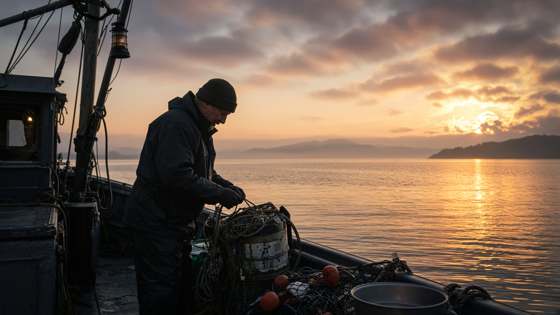
Rigging is the collection of ropes, cables, blocks, shackles, floats and weights that connect fishing gear to a vessel and let the crew deploy and haul it. The exact setup depends on the fishery. A trap boat may run long lines of rope with a trap clipped on at intervals and a buoy at each end. A trawler uses heavy wire or synthetic warps, doors and bridles. A longliner uses a main line with hundreds or thousands of shorter branch lines. A small hook-and-line boat may only need a rod, reel and a few weights.
Each of these systems has parts that wear out quickly: rope chafes against rocks, hulls and winch drums; salt water and sunlight weaken fibers; and knots, splices and hardware fatigue under load. That wear is a routine operating cost, not an exception.
Where Fishing Gear Costs Come From
Replacement, loss and fishing gear costs
Rope and gear are replaced on a schedule that depends on how rough the bottom is, how heavily the gear is used and how harsh the weather has been. Gear can also be lost to storms, strong currents, snags or collisions with other vessels, and replacing it takes money and fishing time. For more on what happens to gear that is lost at sea, see our article on ghost gear.
Labor and maintenance
Mending, splicing, rebaiting and rerigging take hours of deckhand time before and after each trip. In a trap fishery, a crew might spend as much time maintaining gear as hauling it. That labor is part of what a buyer pays for, and it is one reason hand-handled catches are often priced higher. Our piece on net repair and mending explains the craft behind it.
Fuel and the weight of the gear
Heavier gear takes more power to drag, haul and carry. Fuel is a separate and large cost, and we cover it in Fuel Costs and Your Seafood Bill.
How Gear Type Shapes What You Pay
Different methods carry different gear burdens, which is part of why the same species can sell for different prices depending on how it was caught.
- Traps and pots. Many traps, plus rope, buoys and bait, mean heavy up-front investment. Crab and lobster are often priced with that in mind.
- Longlines. Large numbers of hooks and branch lines need constant rebaiting and replacement, which makes the gear labor-intensive.
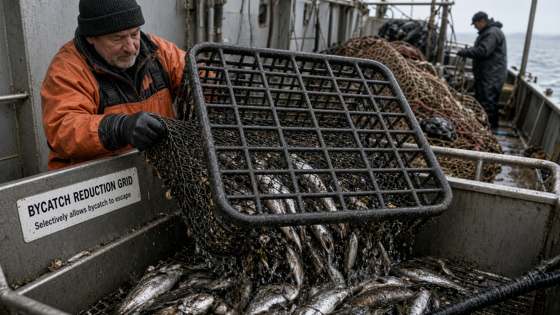
- Trawls and seines. Nets, doors and warps are expensive and wear out on abrasive bottoms, but a single tow can land a large volume, which spreads the cost across many pounds.
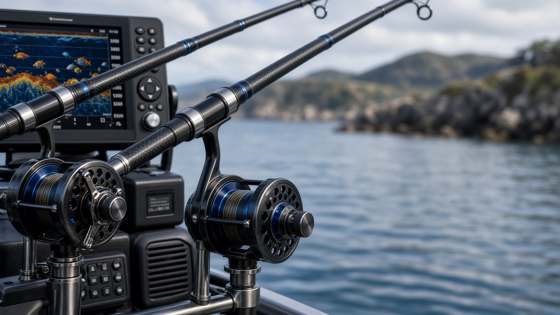
- Hand lines and jigs. Gear is simple and cheap, but each fish is caught one at a time, so volume per trip is low.
A good overview of how methods differ is in our shopper's guide to fishing methods.
Gear Costs Are Only One Piece of the Price
It would be misleading to blame rope alone for what you pay. Seafood prices also reflect the species and its abundance that season, quotas and closures, the distance to port, processing, cold storage, transport and retail margins. Weather and market demand play a large part too. Gear is one factor among many, and its share varies widely from one fishery to another, so be cautious about any simple rule such as "rope costs add so many cents per pound."
For a broader look at how fisheries are managed in the United States, NOAA Fisheries explains how fisheries management works. The Food and Agriculture Organization's fisheries and aquaculture pages give a global view of fishing methods and the economics around them.
Practical Ways to Shop With This in Mind
- Expect gear-intensive, low-volume catches, such as trap-caught shellfish and hand-lined fish, to cost more than high-volume catches of the same quality.
- Ask your fishmonger how the fish was caught; the answer often explains a price gap between two similar fillets.
- Be flexible about species. When storms or closures restrict one fishery, another similar fish may be both fresher and cheaper.
- Treat an unusually low price with some caution. Gear, fuel and labor costs are real, and a price far below the norm sometimes signals old stock or a trade-off in handling.
The Bottom Line on Fishing Gear Costs
When you pay for a pound of crab, snapper or halibut, you are paying for the fish and also for the rope that held the trap, the weights that kept the line down and the hours spent splicing both. Understanding fishing gear costs will not make seafood cheaper, but it does help you judge whether a price is fair and choose the catch that gives you the best value for the way you cook and eat.