Biodegradable fishing gear is equipment made, in whole or in part, from materials that break down in seawater over time, so that if a net, line or trap is lost, it stops catching animals sooner and leaves less lasting debris. The idea is attractive, but it is still developing, and anyone reading about it should separate what is already in use from what remains in trials. This guide explains the main approaches, the trade-offs and what the technology means for the seafood you buy.
Why Fishing Gear Needs to Break Down
Most modern nets and lines are made from durable synthetic plastics such as nylon and polyethylene. Durability is exactly what fishers need on deck, but it becomes a problem when gear is lost. Lost equipment can continue to trap animals, a process explained in our article on ghost gear. The goal of biodegradable designs is to keep gear strong during normal use and then weaken or fail once it has been abandoned.
Types of Biodegradable Fishing Gear
The word "biodegradable" is used loosely, so it helps to know the different strategies researchers and manufacturers have explored.
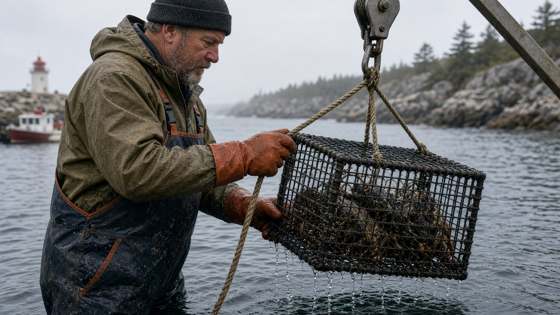
- Degradable escape panels: a section of a trap held shut by a material, such as untreated cotton twine or a biodegradable fastener, that rots away. Once it fails, the opening lets trapped animals leave. Some trap fisheries already require this kind of feature, and details differ by region.
- Bio-based plastics: netting and line made from polymers designed to break down, sometimes from plant-derived sources. These are mostly at the trial stage for commercial use.
- Natural fibers: traditional materials such as cotton or hemp were used before synthetics took over, and some small-scale fishers still use them, though they can be less strong and more prone to rot.
- Recycled materials: not biodegradable, but some companies recycle retired nets into new products. This addresses waste, though it does not stop a lost net from fishing.
How biodegradable fishing gear is tested
Trials generally compare new materials with conventional gear on catch rates, strength, handling and cost. If a degradable net catches noticeably less fish, fishers have little incentive to use it. If it breaks too early, it costs money and may create safety risks. Researchers also study how fast materials break down in cold or warm water, since temperature, sunlight and marine life all affect the rate. Results are mixed and depend on the design, so claims should be read with care.
The Trade-Offs Shoppers Should Know
Because this is an evolving field, there are several caveats worth keeping in mind:
- Strength versus decay. Gear must hold up through repeated hauls. The more a material is designed to degrade, the harder it can be to balance reliability.
- Cost. New materials can be more expensive, and that can influence price and adoption. See how gear expenses feed through in rigging, ropes and seafood price.
- Microplastics. A material that breaks into tiny fragments is not necessarily harmless. Whether a product fully biodegrades or only fragments is an important question that researchers continue to study.
- Not a cure-all. Gear that degrades after months may still catch animals in the meantime, which is why good gear marking, retrieval programs and careful setting are still needed.
Where Rules and Research Stand
Government agencies and international bodies treat gear loss as a management issue. The Food and Agriculture Organization publishes guidance on the topic through its fisheries and aquaculture pages, and national regulators set trap and net requirements fishery by fishery. In the United States, the general framework is outlined in NOAA's overview of fisheries management. Requirements for degradable parts, if any, differ by region, so check current rules for a specific fishery rather than assuming they apply everywhere.
What this means at the fish counter
You are unlikely to see "caught with biodegradable gear" on a package any time soon, and where you do, ask for details. A claim is more meaningful if it names the specific material or feature. In the meantime, a few habits help:
- Look for third-party certification such as the Marine Stewardship Council, which assesses fishery impacts as a whole.
- Check Seafood Watch ratings, which weigh gear type and habitat effects.
- Ask your fishmonger whether the fisheries they buy from take part in gear-recovery or trap-escape programs.
Why It Is Worth Following
Small design changes can add up. A trap with a rotting escape panel costs little to build, and in fisheries where traps are commonly lost, it can reduce ongoing mortality. Net materials are harder, but research continues, and fishers who participate in trials help the industry learn what works at sea instead of in a lab.
Practical Takeaways for Home Cooks
- Do not pay a premium for a "biodegradable" claim unless the seller can name the gear feature and the program behind it.
- Judge the fish, not the gear: firm flesh, clean smell, clear eyes on whole fish and a cold display case matter more at the counter than any gear claim.
- Cheaper ways to choose well: pick a rated "Best Choice" species at the best price that week, and buy frozen portions when fresh is expensive.
- Look at the date and origin on the pack before the marketing language on the front.
Biodegradable fishing gear will not make every fillet greener overnight. It is best seen as one tool among many, alongside better marking, recovery and management. Shoppers who ask about gear and favor well-managed fisheries help give those tools a market, and that is how experimental ideas become standard practice on the water.