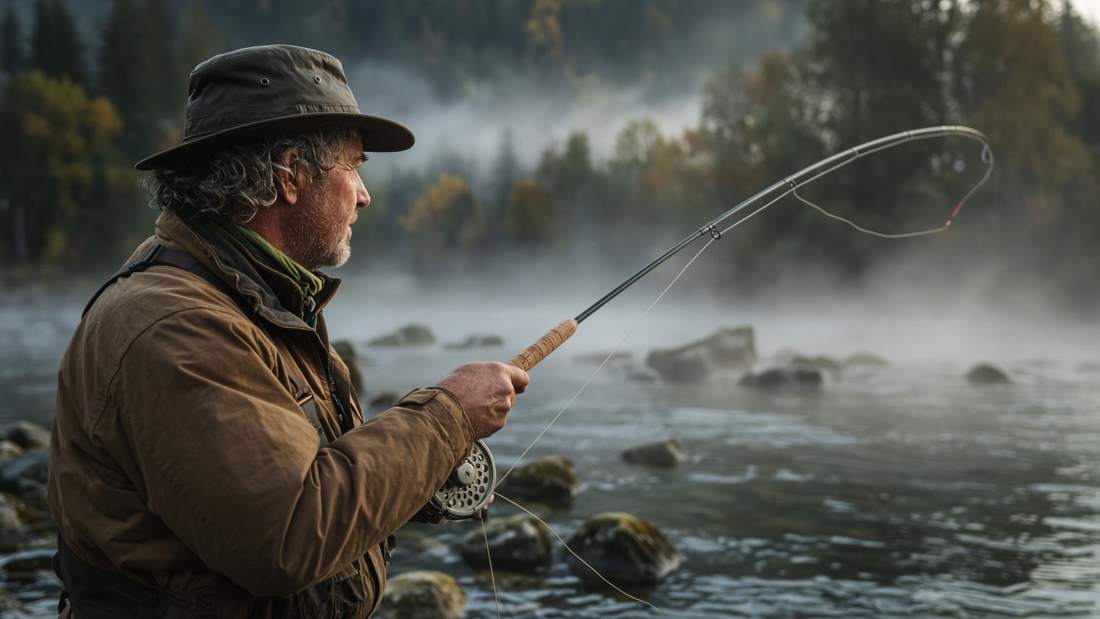
Bait choices affect seafood mainly by deciding what gets caught and how sustainable the fishery is, and they have a much smaller effect on flavor than most people expect. A fish does not taste like the bait on its hook. What a fish or crab eats over its life, how it was handled after capture and how fresh it is when you cook it matter far more. Here is what bait does and does not mean for you at the market.
Does Bait Change How Seafood Tastes?
For the most part, no. Fish caught on a hook have usually had little time to digest anything, and meat flavor comes from a lifetime of feeding, the water, fat content and the season. Fish that feed on shrimp or krill in the wild may have different flavor or color from fish that eat other prey, but that is diet, not bait.
The exception to watch for is crab and lobster. These are scavengers, and traps may hold animals for hours or days. In a poorly handled catch, animals that have fed heavily on strong bait or sat too long can have a stronger flavor or lower meat yield. Fresh, lively animals with a clean sea smell are the best guide.
Where Bait Does Matter: Sustainability
Bait is itself seafood. Many fisheries use small fish such as herring, mackerel or menhaden, or fish parts and by-products, to lure crab, lobster, whelk and larger fish. That raises a few shopper-relevant points.
- Bait supply is a fishery too. If the bait species is overfished, it can affect other animals that eat it and the price of the bait.
- Bait costs shape price. When bait gets expensive, crab and lobster prices can rise. Our guide to fuel costs and your seafood bill covers other costs behind the price tag.
- Bait selects the catch. The right bait draws target species and leaves others alone, which helps cut bycatch. See bycatch reduction for related tools.
Bait choices in trap fisheries
Trap fisheries often use fish heads, frames or other by-products from processing, which gives these leftovers a second use. In some regions, bait rules are tied to stock concerns. Because bait sourcing varies by fishery and changes with supply, check current rules and ratings for the region you buy from. Our overview of better trap design explains how traps and bait work together.
Bait choices in line fisheries
On hooks, bait ranges from live and cut fish to squid and artificial lures. Lures and jigs can be reused, reduce the need for bait fish and can target species more precisely. Read about the method in handlined and jigged seafood.
What to Look For When You Shop
- Ask the method and region. "Trap-caught Maine lobster" or "line-caught Pacific halibut" gives you something to look up.
- Check ratings. Seafood Watch rates fisheries, and its criteria include effects on other species. The MSC standard at msc.org also looks at a fishery's wider impact.
- Judge freshness, not bait. Whole fish should have clear eyes and red gills. Crab and lobster should be active, and cooked meat should smell sweet and briny.
- Do not pay for "bait-free" claims. There is no standard meaning for them, so ask what the claim covers.
- Use FishWatch. NOAA's FishWatch lists U.S. species with how and where they are caught.
Cooking Tips for Fresh Crab and Fish
- Cook live crab or lobster the day you buy it; keep it cold and covered with a damp cloth.
- If a whole fish smells strong in the bag, rinse under cold water and pat dry. A sharp ammonia smell is a sign to return it.
- Lemon, a splash of vinegar or milk soak for 15 minutes can soften a stronger fish taste for strong-flavored species such as mackerel, though none of these fix spoiled fish.
- Refrigerate cooked seafood within two hours and eat it within about three days.
In the end, bait choices are a sustainability and price story more than a taste story. Ask where the seafood came from, check a rating, and trust your eyes and nose for freshness, and you will make a good choice whatever was on the hook.