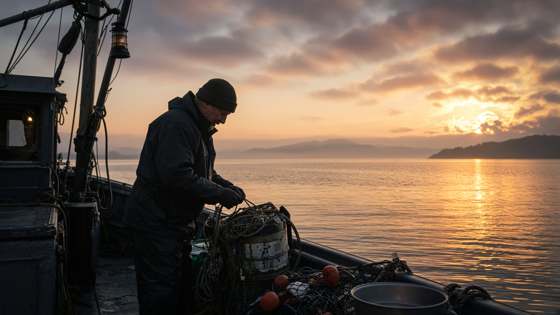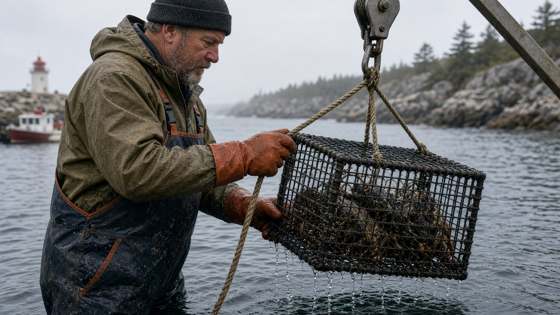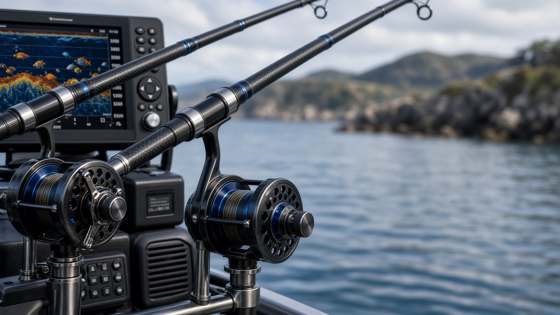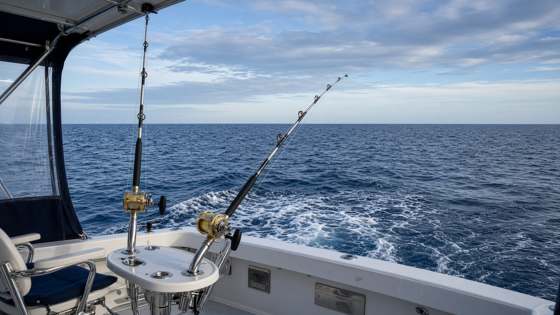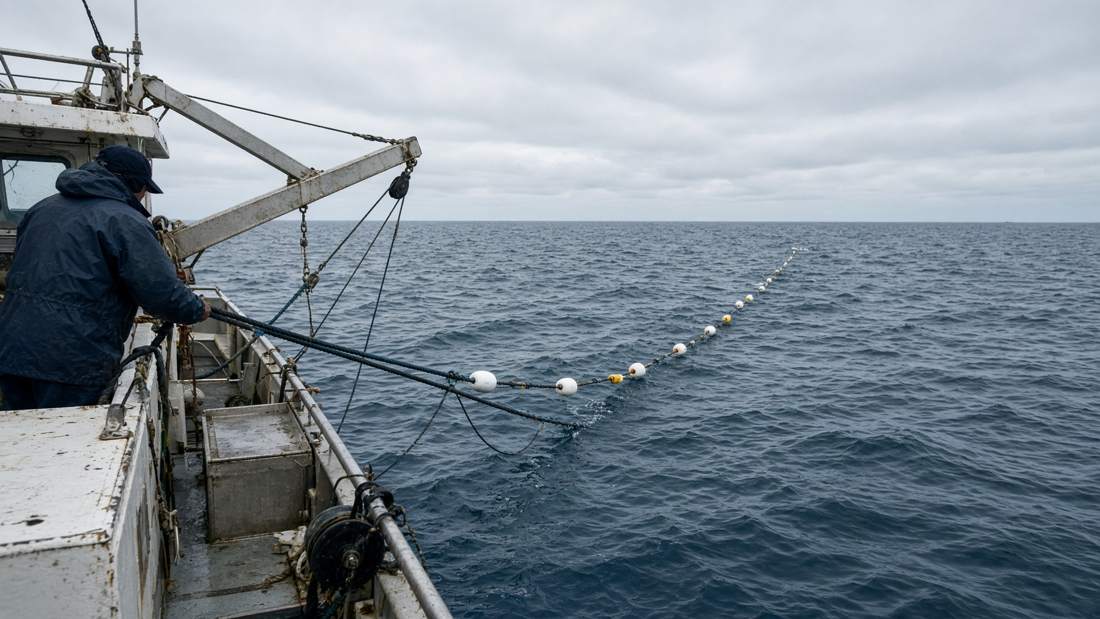
The future of fishing gear is heading toward tools that catch the intended fish more selectively, harm fewer other animals and handle the catch more gently, and for shoppers this should mean better quality and more choices over time. Change is gradual and uneven, and it will not make every product cheaper or better, but you can already spot the early signs at the seafood counter.
Quick answer: expect gradual gains in quality and sustainability, possibly with some price premiums for the best-handled fish. Use labels, questions and trusted ratings to benefit now.
Where the Future of Fishing Gear Is Heading
More Selective Gear
Fishery researchers and gear makers work on designs that let unwanted fish, turtles and other animals escape, such as escape panels, larger mesh in certain areas and devices that reduce bycatch. Our articles on bycatch reduction devices explains what exists today. The goal is that more of what is caught is what the market wants.
Less Lost Gear
Lost nets and traps keep catching animals long after they are abandoned. Efforts to track gear, mark it and develop materials that break down more quickly are growing; see ghost gear for the details. How widely these will be used is still uncertain.
Smarter Handling
Better chilling, faster unloading and improved tracking all aim at the same outcome: fresher fish on your plate. Methods such as slurry ice are already used by quality-focused fisheries.
What This Means for Quality
Gentler gear and faster chilling mean fewer bruises, less gaping and longer shelf life. As these practices spread, you may find more fish that stays firm and sweet-smelling for longer in your fridge. You can look for the signs today: clear eyes, firm flesh and a clean smell.
What This Means for Price
New gear costs money to develop, buy and use. Early adopters may charge more, and selective fishing can mean smaller catches of a given species. Over time, costs can fall as equipment becomes common, and better stock health can support steadier supply. Price changes will depend on many factors, including fuel, weather and demand, so there is no simple prediction.
How to Get Value From the Future of Fishing Gear Today
- Compare fresh, frozen and canned forms of the same fish.
- Buy seasonal, abundant species.
- Ask which items are best value right now.
- Pay a premium only where you can see or verify the difference, such as certified, traceable or sushi-grade product.
What This Means for Sustainability
Better gear is one piece of a bigger picture, along with catch limits, closed areas and enforcement. Third-party programs rate how well fisheries manage these. The Marine Stewardship Council certifies wild fisheries, and Seafood Watch gives recommendations by species and method. Our certification decoder shows how to read these labels. For a general look at U.S. fisheries, see NOAA's fisheries management overview.
Reading Claims About New Gear
As gear improves, expect more marketing claims. Words like "sustainably caught", "eco-friendly" or "dolphin-safe" can mean different things, and some are backed by audits while others are not. A useful test is to ask three questions: who verified this, what exactly does it cover and can I look it up? A real program will have a public website that lists its standards and certified fisheries.
What to Do When a Label Is Vague
Ask the seller for the species, the fishing method and the place of catch. If they cannot say, compare with a rating guide, or choose a product with clearer labeling. You are not obliged to pay extra for a claim you cannot check, and a fair price for good, plain, well-handled fish is often the best value.
Limits and Cautions
- New gear is not a guarantee. Results depend on the fishery and how gear is used.
- Marketing terms like "eco-friendly" are not regulated in the same way as official labels. Look for named programs.
- Technology may favor larger operations, which can affect small boats.
A Shopper's Action Plan
- Read the label for species, origin and wild or farmed.
- Ask how and where it was caught, and when it landed.
- Check a rating guide for the species you buy most.
- Look for a recognized certification when sustainability matters to you.
- Store it cold, and use it within a day or two, or freeze it.
For safe handling and consumption advice, the FDA's advice about eating fish and FishWatch are reliable starting points.
The future of fishing gear will bring changes slowly, but you do not have to wait to benefit. By asking good questions, favoring well-handled and well-managed seafood and staying flexible about species, you can enjoy better fish now and be ready for what comes next.