Tides and currents seafood quality is a real, practical link: the water a fish or shellfish lives in determines what it eats, how hard it works, and how it tastes once it reaches your kitchen. A strong current builds lean, muscular fish, while the rhythm of the tide shapes how oysters, clams and mussels feed and how salty they taste.
How Tides and Currents Seafood Quality Starts With Food
Currents carry plankton, small baitfish and nutrients. Where water is forced upward along a coastline, a shelf edge or around an underwater ridge, it brings nutrients toward the surface and supports dense food chains. Fish that feed in these zones often have good condition, meaning healthy body weight and fat for their species. Fish from poor feeding grounds can be thinner and less flavorful.
Tides add a daily rhythm. Rising and falling water moves food across reefs, flats and river mouths, so predators and prey gather at predictable times. Fishermen use tide tables for the same reason hunters read game trails.
Swimming Against the Flow
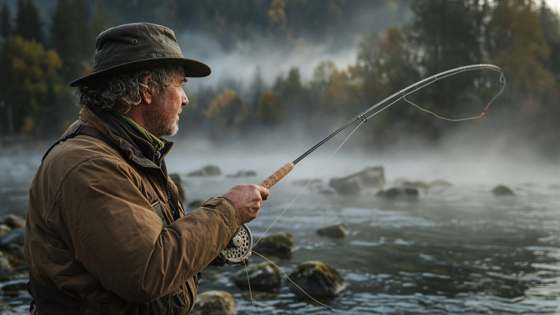
Species that hold in fast water, such as many tunas, salmon and striped bass, build more working muscle. That can mean firmer flesh and a deeper flavor, although fat content, diet, age and season matter just as much. It is a tendency, not a guarantee, so treat it as one clue among many.
Tides and Shellfish Flavor
Shellfish do not move, so water movement is their entire environment. Oysters, clams and mussels filter water as the tide covers them, and they close up when it drops. Intertidal shellfish spend part of each day exposed to air, which tends to produce tougher, deeper cups and strong shells. Oysters grown in constantly submerged water may grow faster but can have a different texture.
- Salinity changes with tides and freshwater inflow, which is why oysters from two bays a few miles apart can taste noticeably different.
- Algae and plankton in the water change the sweetness and mineral notes.
- Flow affects how clean and well fed the animals are.
Shellfish safety is also tied to water conditions. Heavy rain, runoff and warm water can lead to harvest area closures, and the Interstate Shellfish Sanitation Conference supports the state and federal system that classifies harvest waters. Always buy shellfish from reputable sellers who can show where it was harvested.
Spring Tides and Neap Tides
Spring tides, around new and full moons, have the largest range and strongest flow. Neap tides have the smallest range. Many inshore fishermen prefer moving water for active feeding, while some shellfish harvesters wait for the lowest tides to reach beds. These patterns influence when landings spike and when they slow.
Currents, Temperature and Fish Condition
Warm and cold currents move species along the coast. A cold current can bring species such as cod or haddock closer to shore, while a warm one may extend the range of others. Because temperature affects metabolism and spawning, the same species can differ in fat and texture from one season to the next. Our guide to seasonal migration covers the buying calendar in more detail.
NOAA's FishWatch profiles list typical habitats, flavors and textures for many US species, which is helpful if you want to understand why a Pacific fish tastes different from an Atlantic relative.
Handling Still Matters More Than Water
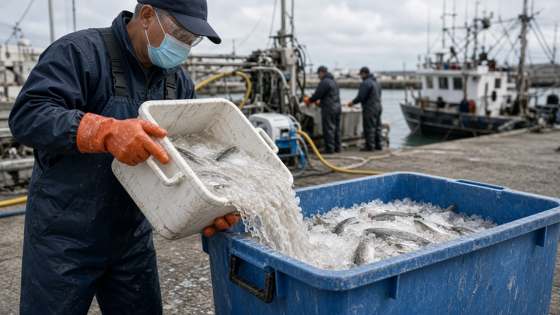
Good water cannot rescue poor handling. Fish that struggle on the line or sit warm on deck release stress hormones and break down faster, whatever current they came from. Quick bleeding, gutting and cooling make the biggest difference, and the steps are explained in from hook to ice.
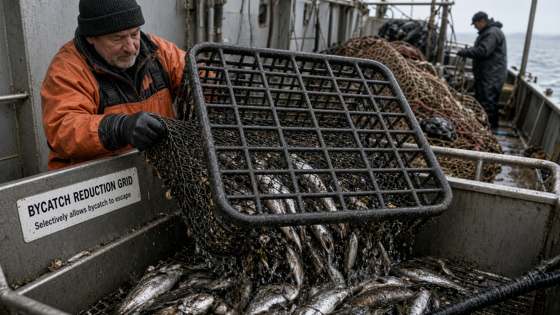
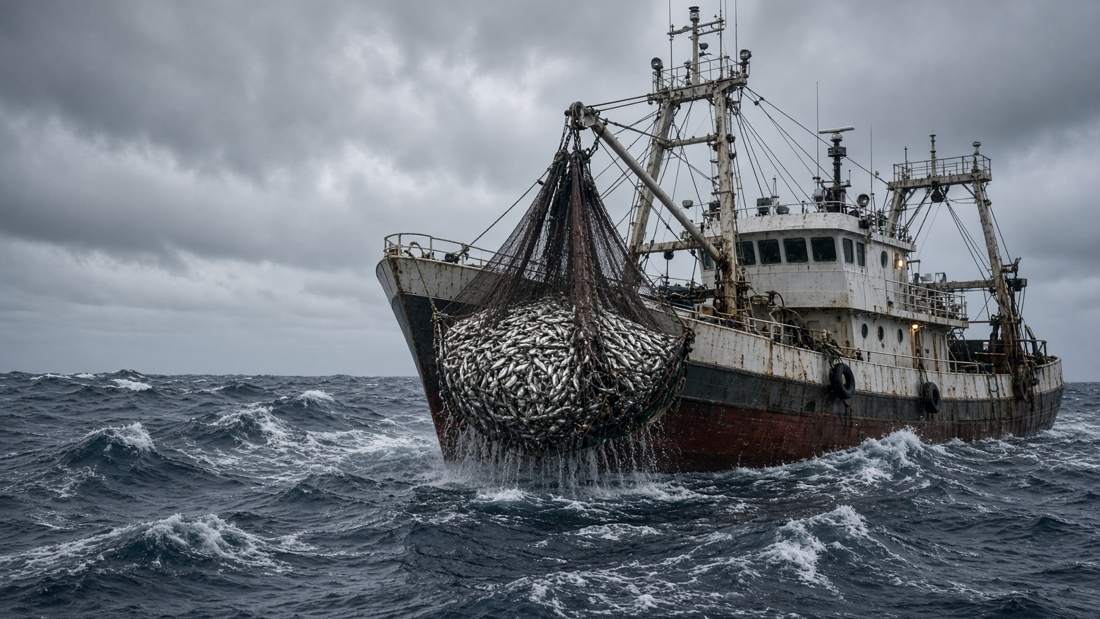
Fishing gear also changes quality. A fish caught on a short soak with a hook may be in better shape than one that spent hours tangled in a net in strong current. For a comparison of methods, see how your fish was caught.
What to Ask at the Counter
- Where was it harvested? A named bay, region or fishery tells you more than a generic label.
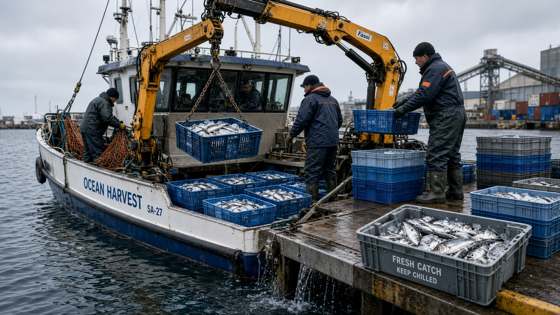
- When did it come out of the water? Fresh and well chilled beats nearly everything else.
- How does it taste this week? Good shops sample and track changes in shellfish brininess and fish richness.
- Is it wild or farmed? Farmed fish are raised in more controlled conditions, so the current effect is smaller.
Using Tides and Currents Seafood Quality Clues at Home
Match preparation to character. Lean, firm fish from active water suits grilling, searing and skewers. Briny, high-salinity oysters shine raw with a simple mignonette or just lemon. Milder, sweeter shellfish can handle butter and herbs.
Quick Buying Checklist
- Choose oysters and clams with tightly closed shells, or shells that close when tapped. Discard any that stay open.
- Store live shellfish in the fridge, covered with a damp cloth, never in sealed plastic or fresh water, and eat within a few days.
- Pick firm, springy fillets with a clean sea smell; avoid any that look dull, mushy or smell sharply fishy.
- For oysters, ask for a mix of origins and compare. Briny and mild options suit different tastes and often different prices.
- Whole fish is usually cheaper per pound than fillets; ask the counter to clean it for you.
Bottom Line
Moving water is the quiet partner behind every good catch. Keep tides and currents seafood quality in mind when you shop: ask where the product came from, notice how flavor shifts with the season, and favor sellers who know the story of the water. That knowledge helps you choose better fish and shellfish, and it makes each meal more interesting.