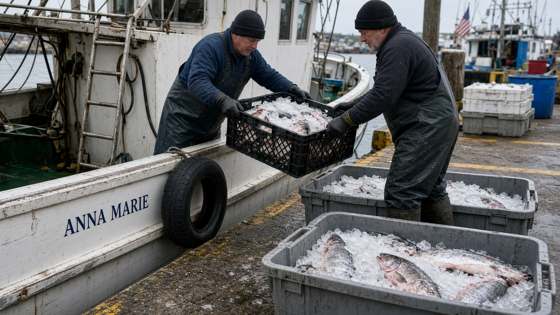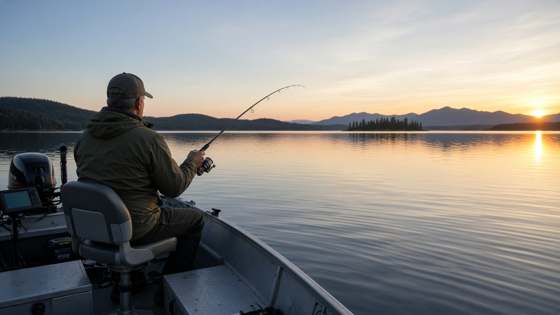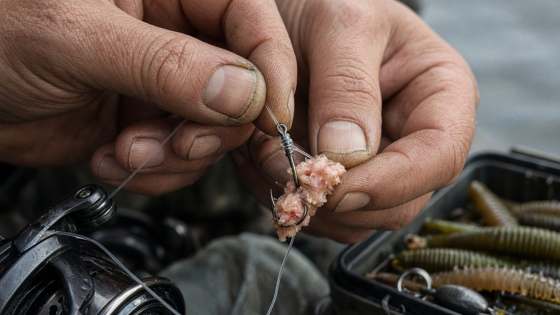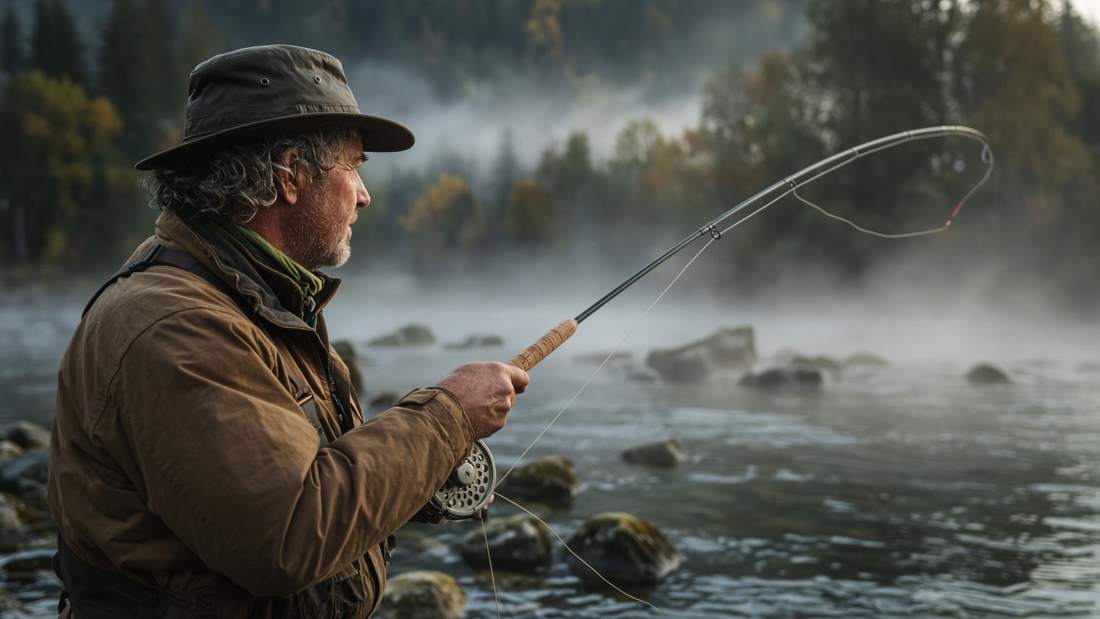
The best time to buy fish is usually when a species is moving through local waters in large numbers, because supply is high, boats are catching efficiently and the product has traveled the shortest distance. Seasonal migration, spawning runs and fishery openings create predictable peaks, and knowing them helps you buy fresher fish at better prices.
Why Fish Migrate and What It Means for Buyers
Most fish move for food, comfortable water temperature or reproduction. Salmon return from the ocean to their home rivers. Tunas and mackerels follow warm water and baitfish along coasts. Flatfish and cod shift between shallow and deeper water as temperatures change. When a migration brings fish within reach of day boats, landings rise. When the fish move on, availability tightens and prices often climb.
Regulation matters as much as biology. Many fisheries open and close by season or by quota, so the best times to buy fish depend on both the fish and the rules. Always check local and current information, since dates change from year to year.
Peak Season Is Not Always Peak Quality
Fish are often at their richest shortly before spawning, when they carry the most fat, and leaner afterward. A fish can also be abundant but in poor condition if it has just spawned. A good fishmonger knows the difference, so ask how the fish looks this week rather than just whether it is in season.
A General Seasonal Guide
These patterns vary by region and year, so treat them as starting points and confirm locally:
- Wild Pacific salmon: fresh fish is typically most available in summer and early fall, with frozen fillets filling the rest of the year.
- Alaska halibut and sablefish: fresh supply is usually strongest in spring through fall, since seasons run through those months.
- Dungeness crab: often a winter treat on the West Coast, though local opening dates vary.
- Atlantic lobster: landings are generally heavier in summer and fall, when shell quality and volume are good.
- Gulf shrimp: peaks often occur in late summer and fall, depending on state seasons.
- Oysters: traditionally associated with cooler months, though modern farming and cold-water regions offer good choices year-round.
- Tuna and mackerel: warmer months bring the best fresh supply in many regions.
Best Times to Buy Fish That Is Frozen
Frozen fish is a smart way to enjoy a seasonal species year-round. Much wild salmon, for example, is frozen soon after harvest at peak condition, so a frozen fillet in January can be as good as fresh in July. Look for tight, intact packaging without ice crystals or freezer burn.
How to Find the Best Time to Buy Fish at the Counter
- Ask what is running. Fishmongers know which local species are at their peak.
- Buy more when it is plentiful. Portion and freeze extra fillets right away.
- Be flexible. Substitute in-season fish for out-of-season favorites in recipes.
- Check regional resources. NOAA's FishWatch profiles describe where and when many US species are harvested.
Seasonal buying also supports sustainability. Fish caught during open seasons are managed under rules designed to keep stocks healthy, and the Seafood Watch recommendations help you pick better choices when your favorite is out of season.
When Weather and Closures Interrupt the Calendar
Seasons are never guarantees. Storms, closures and cold snaps can delay a run or reduce landings, which is covered in our guide to weather and seafood supply. Water movement also shifts timing, as explained in tides and currents and seafood quality.
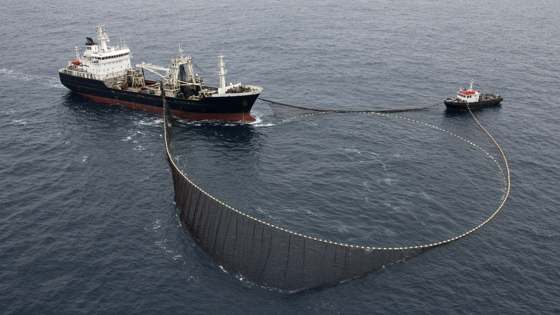
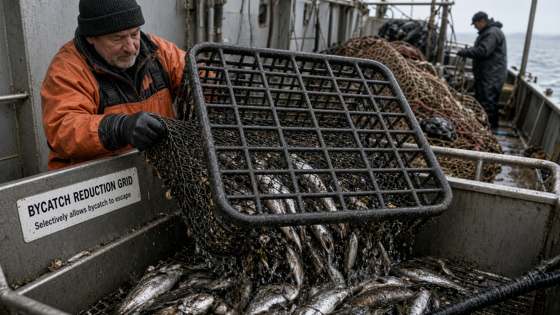
The way fish are caught affects what is available at different times too. For a primer, see how your fish was caught.
Imported and Farmed Fish
Imported fish and farmed products are less tied to local seasons. Southern Hemisphere harvests arrive when northern seasons are quiet, and farmed salmon, trout, shrimp and shellfish are produced year-round. These items fill gaps in the calendar, though the same rules apply: ask where it came from and how it was handled.
Regional Differences Worth Knowing
A calendar written for Alaska will not match New England or the Gulf. Cold northern waters tend to have shorter, more intense seasons, with a big burst of landings followed by quiet months. Warmer southern waters often have longer, steadier seasons spread across several species. If you travel or buy online, check where the fish was harvested, since a Maine haddock and a Florida snapper follow completely different clocks.
Holidays also shape price. Demand for shrimp, crab, lobster and salmon jumps around major holidays, so buying a week or two ahead, or choosing frozen, can save real money. Midweek is often calmer than the weekend rush, and many shops mark down items that are plentiful just after a big landing.
Questions That Reveal Freshness in Season
- Was this landed locally this week, or flown in?
- Has it ever been frozen, and if so, was it frozen at sea?
- What is the best value today, and why?
A confident, specific answer is a good sign that the shop pays attention to the season.
Making a Personal Seasonal Calendar
Pick five species you cook most often and note when your local shop gets them in best. Within a year you will see a pattern: salmon in summer, crab in winter, scallops in the cooler months, and so on. Write down prices as well, because you will notice when a fish is unusually cheap, which usually signals abundance.
The short version: the best times to buy fish are when local supply is high and handling is fresh, so learn the rhythm of your coast, stay curious at the counter, and stock the freezer when your favorites are running.