Refrigerated sea water, usually shortened to RSW, is a shipboard system that circulates chilled seawater through insulated fish tanks so a large catch can be cooled quickly and held at a steady low temperature. It is used most often on vessels that bring in large volumes of small to medium fish, where packing every fish in ice by hand would be slow and uneven. For shoppers, RSW is one of the reasons some fish reach the dock in better shape than others.
Quick answer for shoppers: you will not see RSW on a package, but fish chilled this way are often small, oily species such as herring, mackerel and sardines that spoil quickly. Buy them from a seller who can tell you the landing date, and use them fast.
How Refrigerated Sea Water Works
An RSW system has a few basic parts: insulated tanks in the hull, a refrigeration unit, pumps and piping. Seawater is cooled by the refrigeration plant and pumped through the tanks, surrounding the fish with cold liquid. Because water carries heat away from a fish's surface far faster than still air does, the whole fish cools quickly, including thick parts that ice can reach slowly.
Most systems aim to hold the water close to freezing, around 30 to 32 F (about -1 to 0 C), which is possible because seawater freezes below the temperature at which fresh water does. The exact setting depends on the species and the operation, so there is no single standard that every boat follows.
Refrigerated Sea Water Compared With Ice
Ice works by contact. Where ice touches the fish, cooling is fast, but gaps leave warm spots. A liquid bath fills every gap. That makes RSW especially helpful when catches arrive in a burst, such as a large purse seine set, and the crew has little time to handle each fish. For a plain walk-through of the older method, see our article on icing at sea.
Which Fish Are Chilled in RSW?
RSW is common in fisheries for small pelagic fish such as herring, mackerel and sardines, and it is also used for some salmon and other species. Large, high-value fish such as tuna are often handled differently, because each fish is individually bled and iced for sushi-grade markets. Do not assume any particular fish on your plate was held in RSW unless the seller tells you so, since practice varies by fishery and vessel.
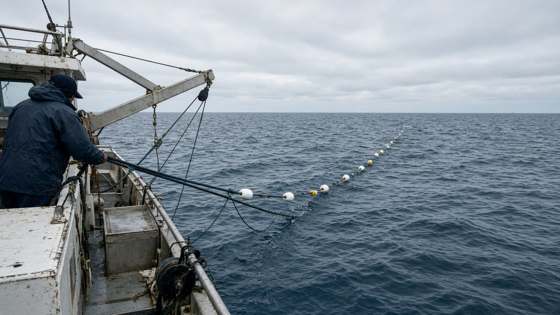
The method shows up in several kinds of fishing. Boats using purse seines often take big hauls at once, and bulk chilling is a natural fit for that pattern.
Benefits and Drawbacks of RSW
Where RSW Helps Quality
- Fast, even cooling slows spoilage soon after capture
- Fish are not crushed under the weight of ice and other fish
- Large volumes can be handled by a small crew
- Temperature can be monitored and held steady through a trip
Where RSW Has Limits
Seawater is salty, and fish held in it too long can absorb some salt and may show changes in texture or taste. Systems that are not kept clean can pass bacteria from fish to fish through shared water. Crews must change or filter water, watch temperature and avoid overloading tanks, because a packed tank with weak cooling can warm up quickly. RSW also requires an engine-driven refrigeration plant, which raises equipment and fuel costs. That ties in with our look at fuel costs and your seafood bill.
Food Safety and Handling Rules
Chilling is a safety issue as well as a quality issue. The FDA's Fish and Fishery Products Hazards and Controls Guidance covers time and temperature controls for seafood processors and handlers, including how fast fish should be cooled for certain hazards. Seafood businesses in the United States work within a Hazard Analysis and Critical Control Point system, which the agency explains on its Seafood HACCP page. Vessel rules differ by country and fishery, so check current rules for specifics.
What RSW Means at the Fish Counter
You will almost never see RSW named on a label. What you can see is the result: fish with firm flesh, clear eyes, clean-smelling gills and an even color. Fish that were chilled quickly and kept cold usually show less belly burst, which is the splitting of the belly wall caused when digestive enzymes attack the flesh in warm fish.
Ask your fishmonger about how and when a fish was landed. Species like herring and mackerel spoil fast, so freshness matters more with them than with firmer white fish. The best advice for any chilled fish at home is to refrigerate promptly, cook within a day or two and freeze what you cannot use. The FDA's advice on eating fish is a useful general reference.
The Bottom Line on Chilled Water Systems
Shopping Checklist for Fast-Spoiling Fish
- Choose whole fish with clear eyes and bright, shiny skin over dull, soft-bellied ones.
- Skip any with a split belly, a strong oily smell or flesh that stays dented.
- Ask for the landing day and buy the newest. Oily fish are best within a day or two.
- Have the fishmonger gut them, then put them on ice in your cooler for the trip home.
Money-Saving Tip
Small oily fish chilled in bulk are usually among the cheapest fresh seafood you can buy, and they are rich in flavor. Grill or roast them the day you buy them, or freeze fillets in portions. Canned versions of the same fish are a handy, low-cost backup when fresh is not available.
Refrigerated sea water is a practical answer to a hard problem: cooling a lot of fish fast. It does not replace skilled handling, but when combined with prompt landing, it helps explain why some fish are fresher than others. If a seller says a fish came in from a boat with RSW and was landed within a day, that is a good sign. Another high-end option for chilling is covered in our guide to slurry ice, and the two methods often compete for the same top-quality fisheries.