Troll-caught salmon is wild salmon caught on hooks and lines trailed behind a moving boat, and it is generally one of the best-handled salmon you can buy. If you see "troll-caught" on a label, you can expect a single-fish, hook-and-line catch that is bled and iced promptly, typically at a higher price than net-caught or farmed fillets. This guide shows how to confirm that claim and judge value.
What troll-caught actually means
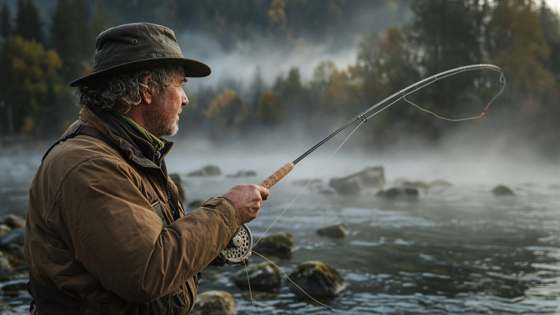
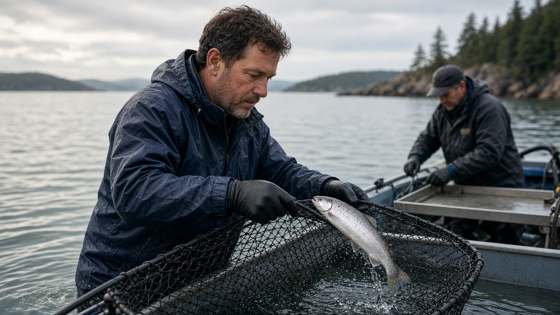
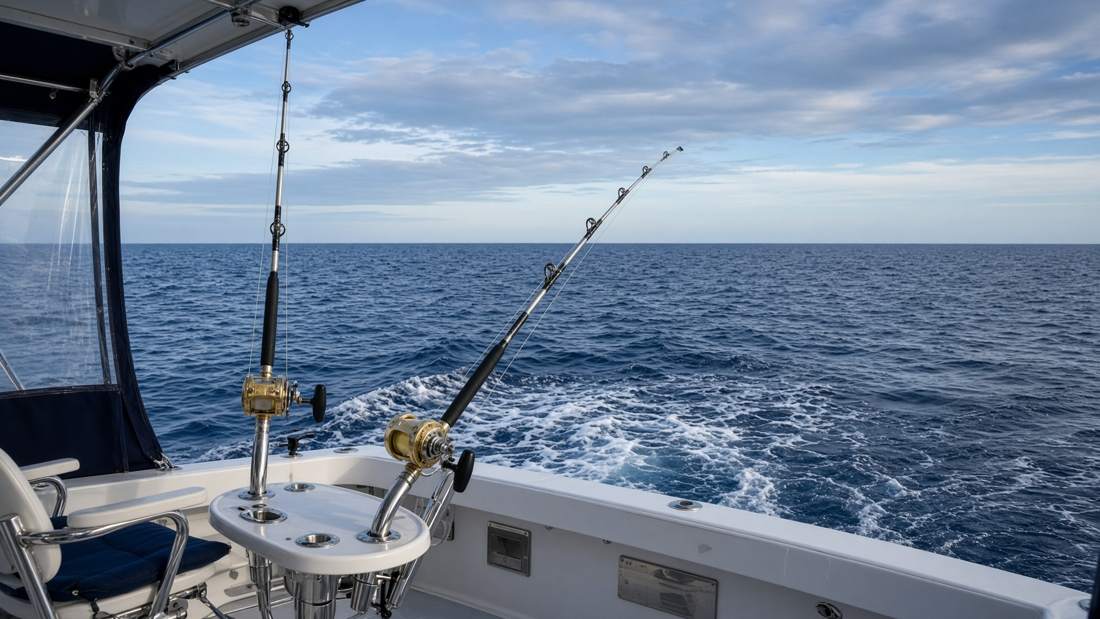
Trolling means pulling baited hooks or lures at set depths behind a boat. Gear often includes lines with weights or downriggers, and the boat moves slowly while fishermen watch the lines. Each salmon is landed individually and brought aboard by hand. Salmon that are too small or of the wrong species can often be released unharmed.
Troll fisheries are mostly small-boat operations in the Pacific Northwest and Alaska, where they target king (Chinook), coho and sometimes pink and chum. Because the fish is handled one at a time, it can be bled, gutted and iced within minutes.
Reading a troll-caught salmon label
What a good label includes
- The species: king, coho, sockeye, pink or chum.
- "Wild" (as opposed to "farmed" or "Atlantic," which usually signals farmed).
- The catch method, such as troll or hook-and-line.
- The region, for example Southeast Alaska or the Pacific coast.
- Whether the fish is fresh or previously frozen.
What the label may not tell you
A label seldom shows how long ago the fish was caught. Ask for the landing date or when it was frozen. Frozen-at-sea troll salmon can be superb because it is processed within hours, and often beats "fresh" fish that has traveled for days. For country-of-origin rules on seafood, check current rules because requirements vary by product, and see the USDA's country-of-origin labeling page.
Troll-caught versus net-caught and farmed salmon
| Type | Handling | Typical price | Notes |
|---|---|---|---|
| Troll-caught wild | One at a time, bled, iced fast | Highest | Firm, clean flavor |
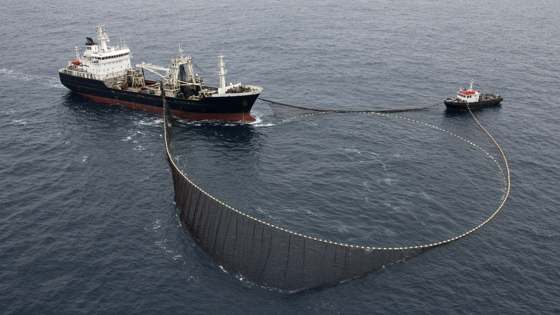
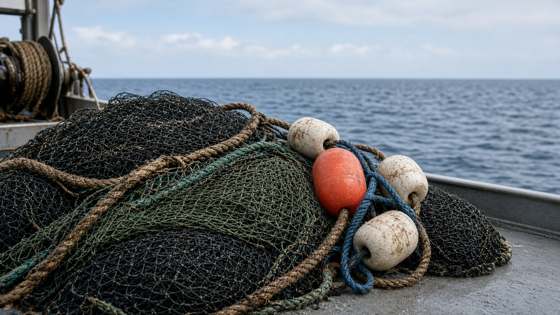
| Net-caught wild | Varies with soak time | Middle | Can be excellent when tended well; see gillnetting |
| Farmed | Controlled | Lowest | Consistent fat, mild flavor |
Species matters as much as gear. King salmon is rich and high in fat, ideal for grilling and roasting. Coho is milder and a little leaner. Sockeye is deep red with a bold flavor that stands up to smoking and strong seasoning. Pink and chum are lighter and economical, and often used for canning and burgers.
How to check quality at the counter
- Look for moist, glossy flesh with a vibrant color and clear white fat lines in kings.
- Press gently; the flesh should spring back.
- Smell it: fresh salmon smells like clean water, not strongly fishy.
- Avoid fillets with gaping, brown edges or milky liquid.
- For whole fish, look for clear bulging eyes and bright red gills.
Sustainability and trust
Wild salmon populations vary widely from river to river, so management matters. U.S. salmon fisheries operate under federal and state management; FishWatch profiles Pacific salmon fisheries and MSC lists certified Alaska fisheries, while Seafood Watch gives region-specific advice. Some runs are depleted and subject to closures, so availability changes, and a ban in one area does not apply to others.
Buying, cooking and saving money
Quick buying guide by salmon species
- King (Chinook): richest, best for grilling or roasting, and the most expensive. Plan on about 5 to 6 ounces per person because it is filling.
- Coho (silver): medium richness and a good all-round fillet, often better value than king.
- Sockeye: deep red, firm, bold; excellent smoked or pan-seared, and often sold frozen in bulk at a lower price.
- Pink and chum: light, mild and inexpensive; good in cakes, chowders and canned for sandwiches.
Fresh or frozen: which should you buy?
If the fish counter cannot tell you the landing date, a frozen portion from a known fishery is often a safer bet than "fresh" fillets of unknown age. Look for vacuum-sealed packs with no ice crystals or freezer burn, and thaw them in the refrigerator overnight, still sealed or in a covered dish. Do not thaw vacuum-packed fish in its sealed bag at room temperature; remove it from the packaging first as directed on the label. Cook thawed fish within a day or two and do not refreeze it unless you have cooked it.
Whole troll-caught salmon can offer the best price per pound, and a fishmonger can fillet and portion it for you for little or nothing. Use the bones and head for stock, and the belly for grilling. Ask whether wild salmon was previously frozen, which is common and perfectly normal; it should still look glossy and firm when thawed. For a related look at chilling and its effects on freshness, read our guide on refrigerated sea water.
Troll-caught king is a splurge. To save, buy in season (summer is peak for many fisheries), choose coho or sockeye, or buy frozen portions and thaw overnight in the refrigerator. Cook salmon until it just flakes and reaches about 145 degrees Fahrenheit, or a little lower if you prefer it medium and your supplier confirms it is suitable. For a quick dinner, brush with oil, season and roast at a high temperature for 10 to 12 minutes per inch of thickness. Understanding what troll-caught salmon means on a label turns a higher price into a purchase you can justify, and see our overview of fishing methods for context.