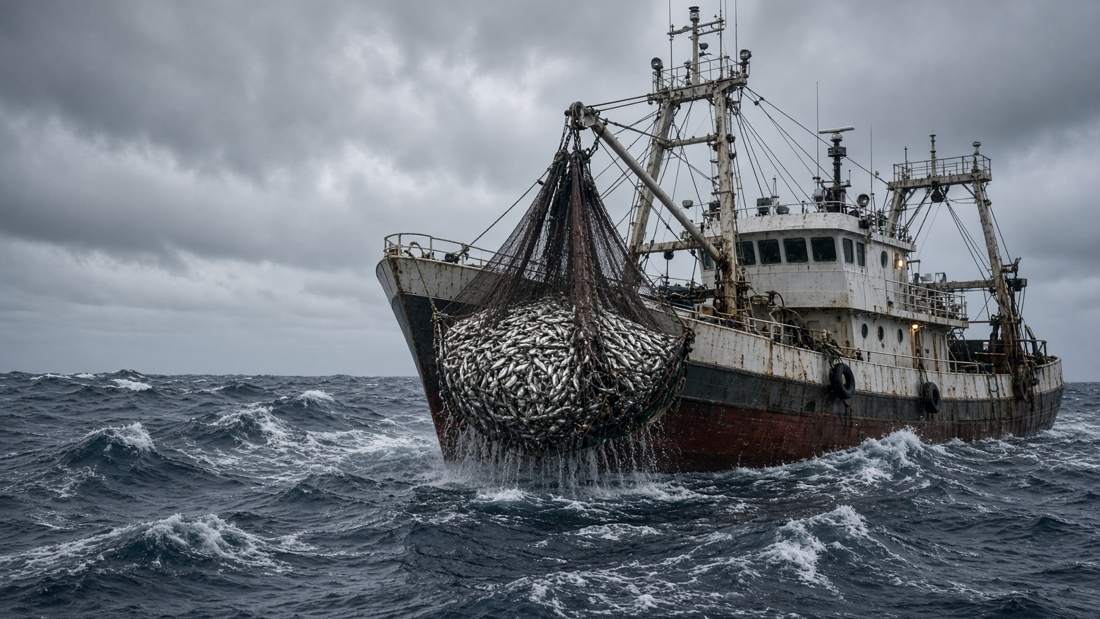
Dredging for scallops and clams means towing a steel frame with a collection bag across the seabed, and for shoppers it matters in three ways: how much grit you find, how fresh the shellfish is, and what you pay. Buy "dry" scallops, clams that close when tapped and anything with a clear landing date, and you will avoid most of the problems linked to this gear. This guide covers what to look for and what to ask.
What dredging is and what it catches
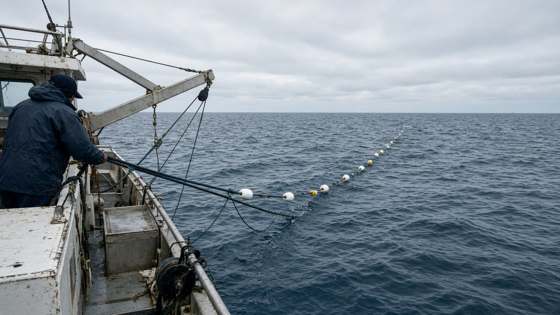
A dredge is a heavy metal frame with a toothed or smooth bar and a chain-mesh bag. Dragged along the bottom, it scoops up animals that live on or in the seabed. Sea scallops, ocean quahogs, surf clams, razor clams and some oysters are commonly harvested this way. Larger offshore vessels work for days, while smaller boats make day trips close to shore.
Sea scallops, in particular, are shucked at sea. The crew removes the adductor muscle, the round white piece you cook, and discards the rest. That is why you rarely see whole sea scallops in shell at the store. Clams and oysters, by contrast, come in the shell and are sold live.
Dry scallops versus wet scallops
The biggest quality lever for scallop buyers is processing. "Dry" scallops are packed with no additives. "Wet" scallops have been soaked in a phosphate solution that makes them absorb water, so they weigh more and look whiter.
- Dry scallops look slightly off-white or pinkish-beige, feel tacky and sear to a deep golden crust.
- Wet scallops look bright white and sit in milky liquid; they steam in the pan, shrink and taste watered down.
Wet scallops can cost less per pound but you pay for the water, so dry scallops are often the better value. Ask the seller directly, and check the label for "dry-packed" or "no additives." A good scallop smells sweet and clean, never sour or like ammonia.
Dredging for scallops and clams: the seabed question
Habitat impact varies by place
Because dredges touch the bottom, they can disturb sediment and the animals living in it. The effect depends on the habitat and how often it is worked. Sandy bottoms that are naturally stirred by waves and currents recover faster than areas with sponges, corals or boulders. Many fisheries limit dredging to defined areas, rotate which areas are open, restrict the size of the gear and set catch limits. Rules differ by region, so check current rules where relevant.
How to weigh it as a shopper
You do not have to avoid dredged shellfish, but you can choose better-managed sources. Seafood Watch rates scallops and clams by region and gear, and MSC-certified scallop fisheries must meet its habitat and stock standards. Diver-caught scallops are another option and usually cost more, since each is hand collected; they typically have little or no grit. Our guide on low-impact handline and jig catch shows the other end of the spectrum.
Grit, freshness and safety for clams and oysters
Dredged clams may contain sand, and they need a little help at home. Soak live clams in a bowl of cold salted water (about a tablespoon of salt per quart) in the refrigerator for 20 to 30 minutes so they release grit, then rinse. Discard any with cracked shells or any that stay open after a firm tap. After cooking, throw away any that did not open.
Shellfish safety depends on clean harvest waters. Commercial shellfish should come from areas monitored under a national program; the Interstate Shellfish Sanitation Conference explains the system. Look for the tag or label on shell stock showing harvest location and date, which retailers are required to keep, and check current rules if you are buying directly from harvesters.
Shopping checklist
- Ask for dry scallops and avoid pooled milky liquid.
- Choose scallop size by dish: U-10 means fewer than 10 per pound and suits searing; smaller ones suit pasta and stir-fries.
- Pick live clams with tightly closed shells and a clean, briny smell.
- Keep shellfish cold and cook within a day or two of purchase.
- Ask where it was harvested and when.
Cooking tips
Storing, thawing and value tips for scallops and clams
Scallops are best cooked the day you buy them. Keep them on a plate lined with paper towel, covered loosely, at the back of the refrigerator, and change the towel if it gets wet. Frozen scallops are a good value; thaw them overnight in the refrigerator on a towel, never in warm water, and dry them well before searing. Allow about 4 to 6 ounces (three to five large scallops) per person as a main course.
Canned and frozen clams are cheap, reliable shortcuts for chowder, pasta sauce and stuffing. Surf clams and ocean quahogs, the ones most often dredged, are chewy and sweet, so chop them for chowder, fritters or sauce instead of eating them whole. Small hard clams such as littlenecks suit steaming. See our guide to trap-caught shellfish for another way to buy premium live seafood.
- Do not buy scallops sitting in a pool of milky liquid.
- Throw out clams that smell strongly of ammonia or sulfur.
- Keep live clams in a bowl covered with a damp cloth, not sealed in a bag.
For perfect seared scallops, pat them very dry, remove the small side muscle if present, season and sear in a hot oiled pan for about two minutes per side without moving them. Steam clams in a covered pan with a splash of wine or water until they open, usually five to eight minutes. Knowing how dredging for scallops and clams affects what lands in your basket helps you pick the better buy and the better meal.