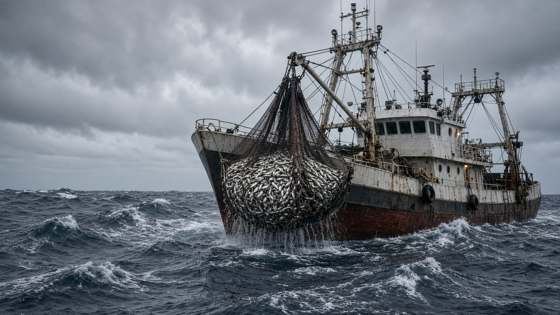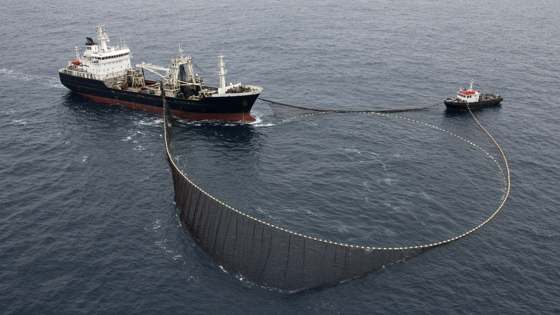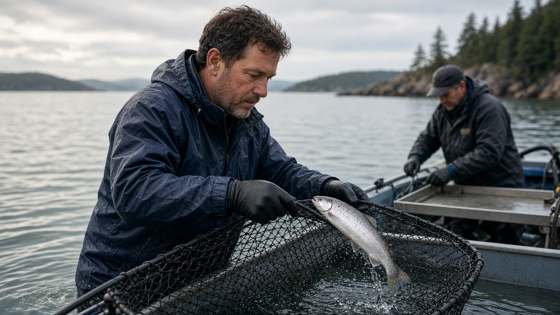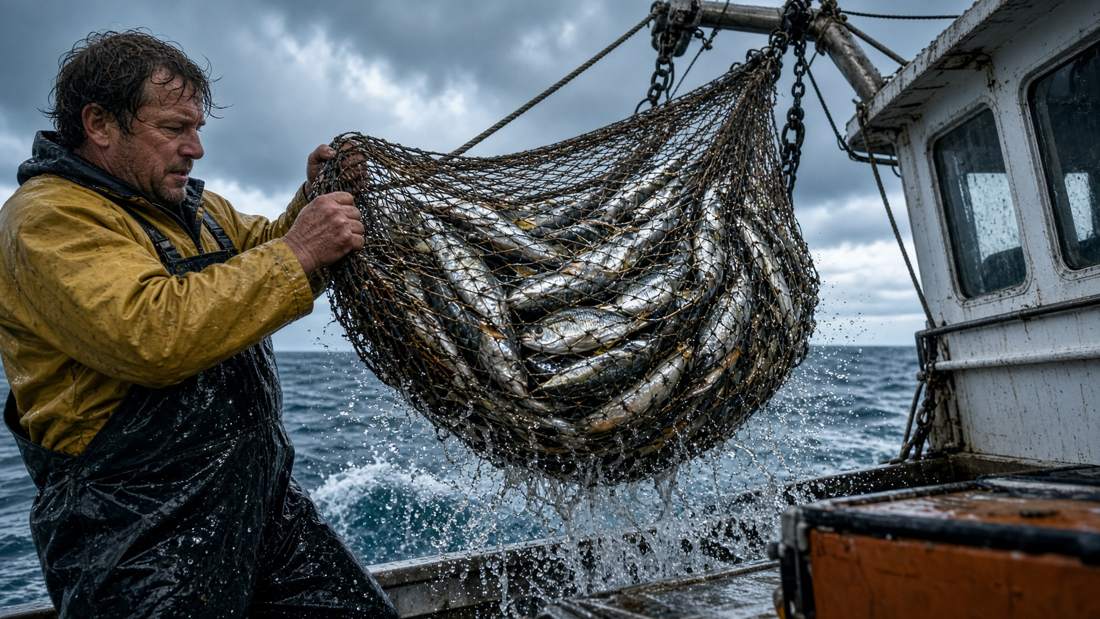
Cold-water vs warm-water fisheries is a useful way to predict how a fish will taste and cook, because water temperature influences how much fat a fish carries, how firm its flesh is and how rich it tastes. As a rule of thumb, many cold-water fish are higher in fat and flake into large, moist pieces, while many warm-water fish are leaner and firmer. Exceptions are common, so treat this as a guide, not a law.
Quick answer for shoppers: pick cold-water fish like salmon, cod or halibut for rich or flaky results, and warm-water fish like snapper, grouper or mahi-mahi for firm, mild fillets that hold up on the grill.
How Water Temperature Affects Flavor
Fish living in cold water often store energy as fat to stay active and survive seasons when food is scarce. That fat gives many cold-water species a richer, buttery flavor and a moist texture. Warm-water fish tend to be leaner and live in conditions where food is more constant, so they often have milder, cleaner flavors and firmer flesh. Diet, age, season and spawning cycle matter as well, so fat content varies even within a species. For example, fish are often richest before spawning.
Common Cold-Water Fish
Cold-water vs warm-water fisheries: the cold-water side
- Salmon. Rich and moist; roast, pan-sear or grill with the skin on.
- Cod and haddock. Mild, with large white flakes; good for baking, poaching and frying.
- Halibut. Lean but firm and meaty; cook gently so it does not dry out.
- Herring, mackerel and sardines. Oily and strongly flavored; best grilled, broiled or smoked, and often inexpensive.
- Cold-water shellfish. Many lobsters, crabs and scallops from cooler seas are prized for sweet flavor.
Common Warm-Water Fish
Warm-water fish and how they cook
- Snapper. Mild and slightly sweet; whole roasting and pan-frying are popular.
- Grouper. Firm, lean and mild; holds together in stews and on the grill.
- Mahi-mahi. Firm and lean; good for grilling and tacos.
- Shrimp from warm waters. Mild and sweet, and sold widely.
- Tilapia and catfish. Often farmed in warm water; very mild flavor.
Cold-Water vs Warm-Water Fisheries: Choosing by Recipe
- Grilling. Choose firm fish: swordfish, mahi-mahi, grouper or salmon with skin.
- Baking or roasting. Cod, salmon and snapper are forgiving.
- Frying. Mild white fish like cod, haddock or catfish.
- Raw preparations. Use only fish sold for raw eating and follow the FDA's guidance on handling; see its advice about eating fish.
- Soups and stews. Firm warm-water fish stay intact when simmered.
Quick Buying Checklist
- Decide the cooking method first, then pick the fish.
- For rich flavor on a budget, try mackerel, herring or canned salmon.
- For picky eaters, start with mild white fish such as cod or snapper.
- Ask whether the fish is wild or farmed, since farmed fish can differ in fat and flavor.
- Buy only what you will cook within a day or two, or choose frozen.
Substitutions That Work
When the fish in your recipe is out of stock or too costly, swap within the same group and texture.
- Cod can stand in for haddock, pollock or hake in baked and fried dishes.
- Snapper can replace sea bass or grouper in whole-fish roasting.
- Mahi-mahi can take the place of swordfish on the grill.
- Canned or frozen salmon works for fish cakes when fresh fillets are dear.
Cooking times and doneness
A reliable rule is about 10 minutes of cooking per inch of thickness at moderate heat, measured at the thickest part. Fish is done when the flesh turns opaque and flakes easily with a fork; the FDA recommends an internal temperature of 145 degrees F. Lean warm-water fillets go from perfect to dry quickly, while oily cold-water fish are more forgiving.
Price, Freshness and Sustainability Tips
Cold-water species with a long travel route, such as wild salmon or halibut, can be expensive, especially out of season. Oily fish like herring, mackerel and sardines are often the best bargains. Freshness matters more for oily fish, which spoil faster; see our guide on the best times to buy your favorite fish. For how each species is managed, check FishWatch, and use Seafood Watch to see current sustainability ratings, since these vary by region and catch method.
A word on safety: some larger, long-lived fish, in both cold and warm waters, can contain more mercury. The FDA and EPA publish guidance on which fish are best choices, especially for children and people who are pregnant; see the EPA's page on choosing fish and shellfish wisely.
What Water Temperature Does Not Tell You
Temperature is only one influence. Handling after capture changes flavor as much as where the fish lived, and a poorly chilled cold-water fish can taste worse than a carefully handled warm-water one. Read about how vessel handling affects the fish you buy for the signs to look for.
Putting Cold-Water vs. Warm-Water Fisheries to Work
Next time you are planning dinner, start with the cooking method and the flavor you want. Reach for cold-water fish when you want richness and flaky moisture, and warm-water fish for firm, mild fillets that take bold seasoning. Understanding cold-water vs warm-water fisheries gives you a simple shortcut for buying fish that cooks the way you expect.