Crew welfare is the safety, pay, rest and fair treatment of the people who catch your seafood, and it belongs in any conversation about ethical buying. Commercial fishing is widely recognized as one of the most dangerous occupations, with risks from weather, heavy machinery, falls overboard and long hours. Shoppers who care where their fish comes from increasingly ask not only whether the stock is healthy but also whether the people who caught it were treated well.
Quick answer for shoppers: ask where your seafood came from, favor traceable products and rated programs, and be wary of unusually cheap fish from unknown sources. Well-treated crews also tend to handle fish better.
Why Fishing Is a Hazardous Job
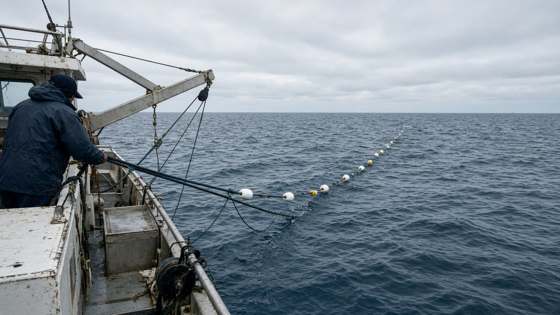
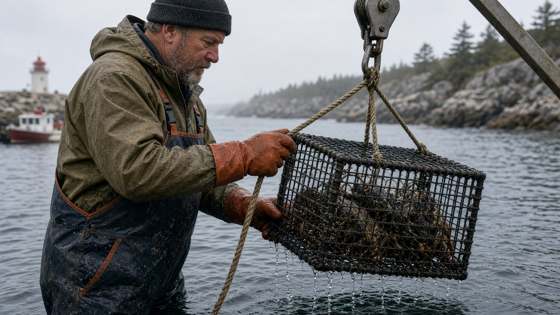
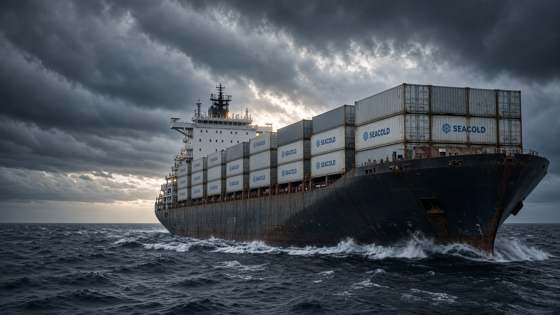
Work on deck combines moving gear, wet surfaces, heavy loads and unpredictable seas. Common dangers include vessel instability or capsizing in storms, entanglement in lines and winches, falls overboard, fires, and injuries from hooks and tools. Cold water makes any fall into the sea more dangerous, and help can be hours away. Fatigue is a serious factor: crews often work long shifts during short seasons because the fishing window is limited, and tired people make mistakes.
These realities explain why training, equipment and rest are central to safety. Our articles on crew training and emergency procedures at sea look at how preparation protects both people and product.
What Crew Welfare Includes
Physical safety and crew welfare
This covers sound vessels, working lifesaving equipment such as life rafts, survival suits and distress beacons, regular safety drills and first-aid capability. Many countries require some of this by law, but rules and enforcement vary widely, so conditions can differ a great deal between fisheries.
Fair pay and contracts
Crew welfare also means being paid what was agreed, receiving clear terms of work and not being charged unfair fees for the job. In some regions, crew are paid a share of the catch, which ties income to fishing success and can encourage risky decisions in bad weather.
Rest, food and living conditions
Adequate sleep, clean water, enough food and decent quarters are basic needs on longer trips. Poor conditions harm health and raise accident risk.
Freedom from forced labor and abuse
Forced labor and human trafficking have been documented in parts of the global seafood industry, particularly on distant-water vessels where crews can be at sea for months. Because the details differ from case to case, avoid sweeping claims about any one country or product; instead, look for evidence-based information from reputable organizations.
Why Crew Welfare Affects the Seafood You Buy
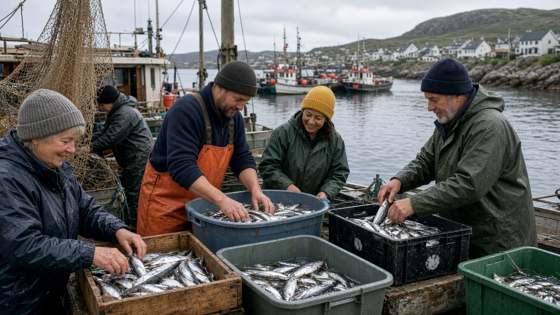
Treating crews well is the right thing to do, and it also tends to produce better seafood. Rested, trained and well-equipped workers handle fish more carefully, keep gear in better condition and follow cold-chain procedures reliably. Hurried or exhausted crews may skip steps such as bleeding and icing. Read more in how vessel handling affects the fish you buy.
Welfare also connects to sustainability. Where crews lack protection, there may also be weaker oversight of catch limits and gear rules. Responsible fisheries tend to be well run on several fronts at once, though this is a pattern and not a rule.
What Responsible Fisheries Do
Signs of a well-run fishery include safety training, inspected vessels, written contracts, limits on shift length and ways for crew to report problems. You can ask sellers or suppliers whether they know of such practices.
How Shoppers Can Support Better Treatment
- Ask about the source. A seller who knows the boat, port or fishery is more likely to know how crews are treated.
- Use trusted guides. Seafood Watch and the Marine Stewardship Council publish information on how they assess fisheries; check what each program does and does not cover on labor, since criteria differ and change over time.
- Prefer traceable products. Clear country of origin and catch information make accountability easier. The USDA explains origin labeling on its country of origin labeling page.
- Favor local and small-scale sources when possible. Direct relationships between buyers and boats make conditions easier to see, though small does not automatically mean safe or fair.
- Be wary of rock-bottom prices. Very low prices can mean cost-cutting somewhere along the chain, though price alone proves nothing.
For background on how governments and international bodies treat fishing, the FAO's fisheries and aquaculture portal provides global information on safety and labor topics in the sector.
A Realistic View
No label can guarantee perfect conditions on every boat, and shoppers should be cautious about marketing that claims too much. The goal is steady, informed pressure: buy from sellers who can answer questions, support programs that are transparent about their standards and keep asking. Compare, too, how small and large operations differ in our guide to small boat versus large vessel seafood.
Buying With the Crew in Mind
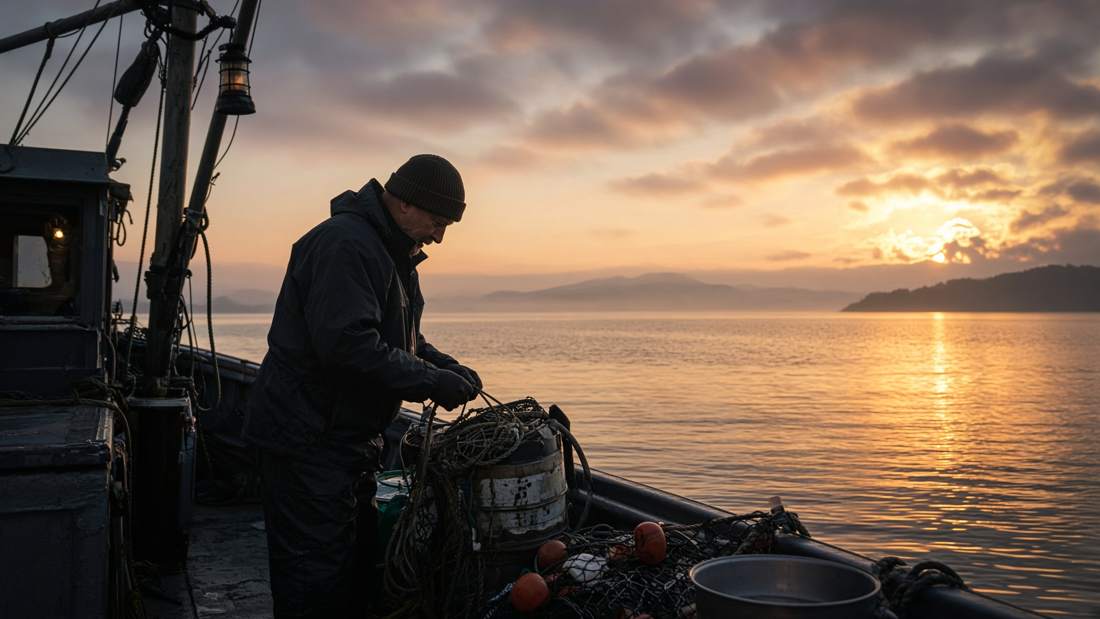
Every fillet represents days of hard, risky work. Choosing sellers and programs that take crew welfare seriously will not solve every problem in the industry, but it rewards the boats and businesses doing things properly, and it usually brings you better fish as a side benefit.