When the power goes out, the clock on your seafood starts, and the right emergency protocols for temperature failures are simple: keep doors shut, check temperatures, and throw out raw fish that has been above 40 F for more than two hours. Seafood spoils faster than most proteins and can cause illness without looking or smelling bad, so this is a time to be strict rather than hopeful.
First Hour: Protect the Cold
- Keep the refrigerator and freezer doors closed. A closed refrigerator keeps food safe for about four hours, according to USDA and CDC guidance (check current guidance), and a full freezer holds its temperature for about 48 hours, or about 24 hours if half full.
- Group freezer items tightly, since a packed freezer stays cold longer.
- If you have ice, a cooler, or dry ice, move your most perishable items, fresh fish and shellfish first, into a cooler with plenty of ice. Handle dry ice with gloves and good ventilation.
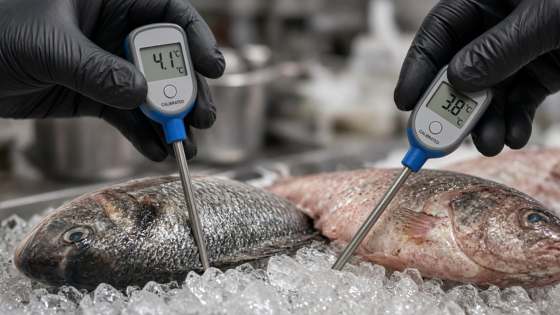
- Have an appliance thermometer ready. The FDA explains why in its refrigerator thermometer guidance.
Emergency Protocols for Temperature Failures: What to Keep and What to Toss
The test is temperature, not smell. Refrigerated raw fish, shrimp, scallops, and shellfish that have been above 40 F for two hours or more should be discarded. In very hot weather, above 90 F, the limit drops to one hour. Cooked seafood and leftovers follow the same rule.
For frozen seafood, check each package.
- If it still has ice crystals or feels as cold as if refrigerated, it is generally safe to refreeze or cook, though quality may drop.
- If it has fully thawed and warmed above 40 F for more than two hours, throw it out.
- Do not refreeze fish that has gone soft and warm, and do not taste it to test.
When in doubt, throw it out. Our guide to spoilage signs you should never ignore lists warning signs, but remember that dangerous seafood may look normal.
Special Cases
- Live shellfish in the fridge: if the unit has warmed, discard any that are dead or gaping, and cook the rest promptly.
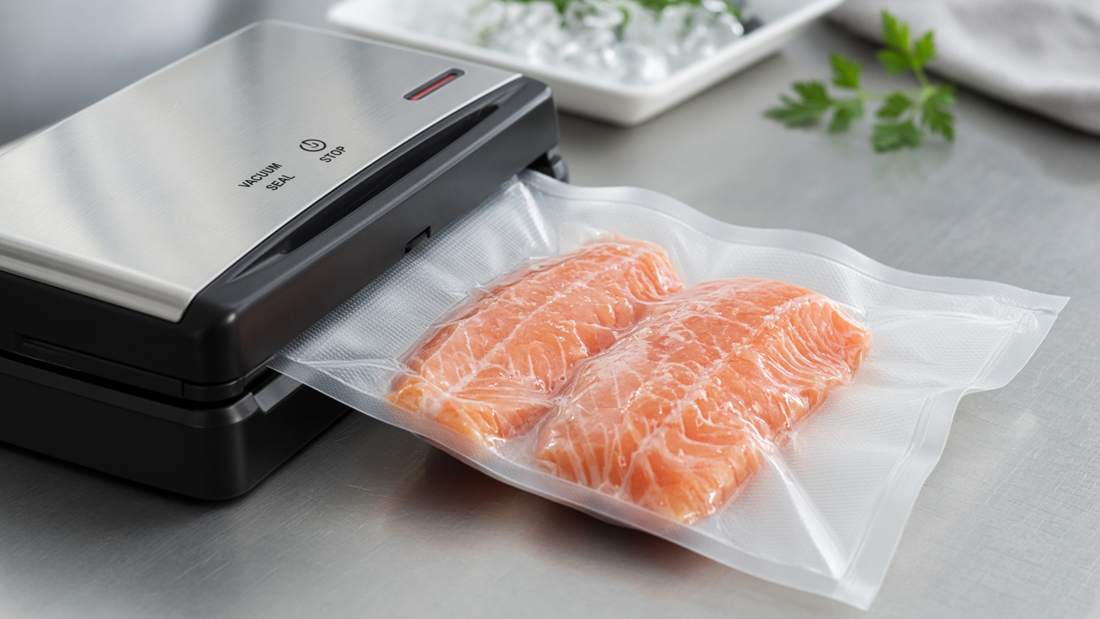
- Vacuum-sealed or smoked fish: these are not exempt. Once warm, they follow the same two-hour rule.
- Canned seafood: unopened cans are shelf stable, but discard bulging or leaking ones.
Our pages on thawing seafood safely and ideal storage temperatures for fresh fish explain the safe ranges.
Before the Next Outage
- Keep thermometers in the fridge and freezer.
- Freeze water in containers to fill empty freezer space and use as ice.
- Keep a cooler on hand, and know where you can buy ice.
- Avoid stocking up on fresh fish before a storm warning.
The FDA's advice about eating fish is another handy reference. Written plans for temperature failures are not just for businesses; having your own steps in mind turns a stressful outage into a quick decision.