Refrigerator organization for seafood comes down to one rule: keep raw fish and shellfish on the lowest shelf, in a covered container, as cold as your fridge will go safely. Fish spoils faster than beef or chicken, and a few small changes to where you put it can add a day of freshness and prevent drips from contaminating your salad.
Start refrigerator organization for seafood with the right temperature
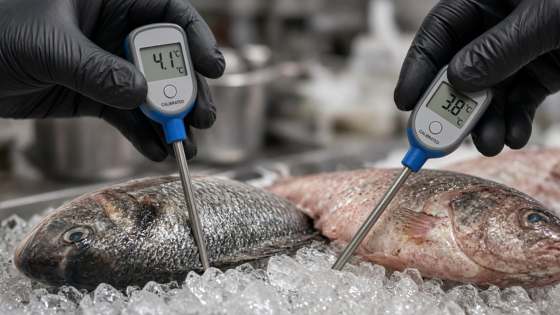
Your refrigerator should be at 40 degrees F (4 C) or below, and fresh fish does better at the colder end. A cheap appliance thermometer on the middle shelf shows you what is really happening, since the dial settings are not reliable. Do not trust the door shelves: they are the warmest part and change temperature every time someone opens the fridge.
The best shelf for raw seafood
Bottom shelf, at the back
The bottom shelf is usually the coldest and the safest place for anything that could drip. Raw fish juices can carry bacteria, so keep seafood below ready-to-eat foods like cheese, leftovers, fruit and deli meat. Put the seafood in a tray or rimmed container so spills stay contained. The same logic is explained in cross-contamination risks in seafood handling.
On ice in a tray
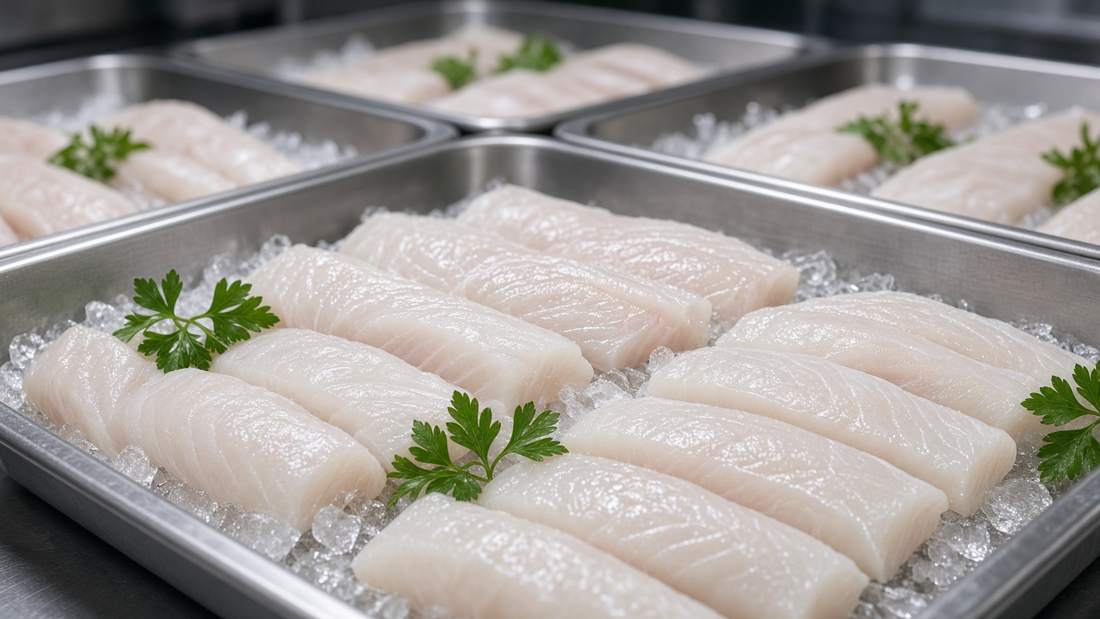
Fresh fillets and whole fish last better set on a bed of ice in a shallow tray, with another tray or bowl underneath to catch meltwater. Do not let the fish sit in standing water. Refresh the ice daily. For how long ice storage works, see how long can seafood stay on ice.
Packaging that works
- Fresh fillets and steaks: Pat dry, wrap in plastic wrap or place in a sealed container, and keep in the coldest zone.
- Shrimp and scallops: Drain any liquid, put in a bowl over ice and cover.
- Live clams, mussels and oysters: Keep them breathing, not sealed in plastic. Use a bowl covered with a damp cloth. See shellfish storage for clams, mussels and oysters.
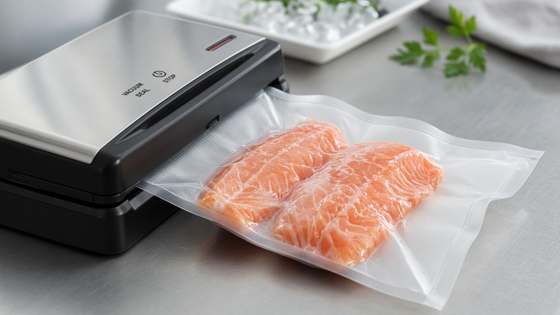
- Vacuum-packed fish: Follow the label, and note that some products must be kept frozen or opened only just before cooking.
How long can it stay there?
As a rule of thumb, cook or freeze fresh raw fish and shellfish within one to two days of purchase. This is the guidance that appears widely in food safety advice, including the FDA guidance on selecting and serving seafood. If you will not cook it by then, freeze it the same day rather than gambling on day three.
Smell and cross-flavor control
Fish aromas travel. Seal seafood in airtight containers and keep butter, milk and cheese well covered. A small open dish of baking soda helps with lingering smells, though it is no substitute for a clean fridge. Wipe spills right away with hot soapy water, then a sanitizing wipe.
Using the NOAA and FDA advice
NOAA's FishWatch profiles individual species, which is handy because oily fish like salmon and mackerel tend to go off sooner than lean fish like cod. Buy the more delicate fish for the day you will cook it, and keep sturdier fish and frozen items for later in the week.
A quick weekly reset
- Check the thermometer reading.
- Toss anything past its use-by date.
- Wash the seafood tray and bottom shelf with hot soapy water.
- Move leftovers and ready-to-eat items above the seafood zone.
A tidy fridge turns seafood storage into a habit instead of a worry. Put fish low, keep it cold, keep it covered and eat it quickly, and the refrigerator organization for seafood takes care of itself. Even on a busy week, the fish you bought will taste like the day you bought it.