How long can seafood stay on ice? Plan to cook it within one to two days, though it depends on the species, how fresh it was when iced, and how well the ice is managed, but most fresh fish is at its best within one to two days of purchase, even when kept properly iced at about 32 F (0 C). Ice slows spoilage; it does not pause it. Good practice is to use or freeze iced seafood quickly and never treat ice as indefinite storage.
How Long Can Seafood Stay on Ice? What Ice Actually Does
Melting ice holds fish at close to 32 F (0 C), colder than a normal 40 F refrigerator. At that temperature, bacterial growth and enzyme activity slow considerably. Ice also keeps the surface moist and washes away some surface bacteria as it melts. But the fish is still perishable, and the benefit disappears if ice is allowed to melt away without being replaced.
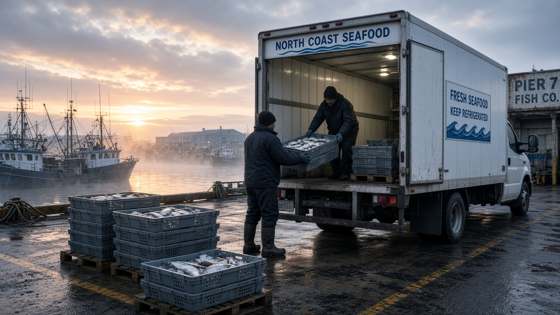
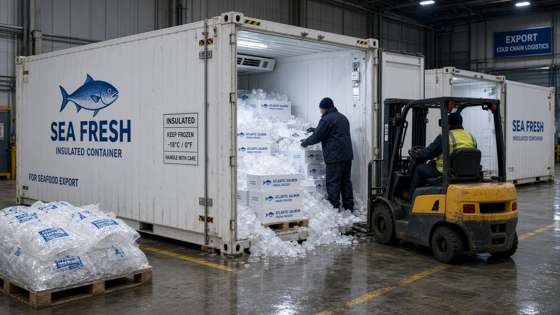
Commercial seafood handlers rely on ice from the boat onward. If you want to see the whole system, read about the cold chain from boat to plate.
Realistic Time Limits by Seafood Type
Exact shelf life varies with how fresh the product was at the start. Treat the following as cautious planning guidance for home use, and ask your fishmonger for the specific catch date.
| Type | Plan to use within |
|---|---|
| Lean white fish fillets | 1 to 2 days |
| Oily fish such as mackerel or sardines | 1 day |
| Whole gutted fish on ice | 2 to 3 days |
| Shrimp, raw | 1 to 2 days |
| Scallops, shucked | 1 to 2 days |
| Live clams, mussels, oysters | Follow dealer tag; keep cool, not in standing ice water |
These are conservative figures. Whole fish gutted soon after harvest and iced continuously keeps longer than fillets, because cut surfaces spoil faster. Oily species deteriorate quickly because their fats oxidize and, in some cases, because histamine can form in warm fish. Take extra care with tuna, mahi-mahi and mackerel, and keep them cold from the start.
How Long Can Seafood Stay on Ice if It Is Whole?
A whole fish has intact skin that acts as a barrier, and the gut cavity, if cleaned, is the main source of fast-growing bacteria. Fillets have exposed flesh on every side and more surface for bacteria. If you buy fillets, plan to cook them sooner.
How to Ice Seafood Properly
- Start with the freshest product you can get and chill it before it goes in.
- Use a container with drainage so meltwater runs away from the fish.
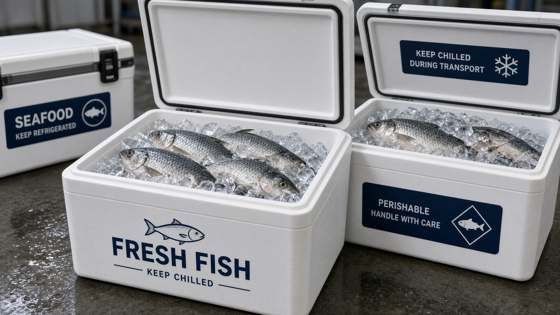
- Put a layer of ice down, lay the seafood on it, and cover with more ice.
- Keep fillets wrapped or bagged so they do not sit in fresh water; whole fish can lie directly on ice.
- Check the ice twice a day and top it up as it melts.
- Keep the whole setup inside the refrigerator when you can, or in a cool spot out of sunlight.
Mistakes That Cut Time Short
- Letting fish sit in a puddle of meltwater, which softens flesh and leaches flavor.
- Using too little ice so that parts of the fish are exposed to air.
- Reusing ice that has been contaminated by raw juices.
- Opening and closing the cooler repeatedly in a warm room.
Signs the Time Is Up
Whatever the calendar says, trust sensory checks. Fresh fish smells clean and briny, with firm flesh that springs back when pressed and clear, moist eyes on whole fish. Spoiled seafood smells sour, ammonia-like or rotten, feels slimy or mushy, and looks dull or discolored. Our article on recognizing freshness in fish walks through each check.
When to Freeze Instead
If you will not cook the seafood within a day or two, freeze it while it is still very fresh. Freezing at 0 F (-18 C) stops bacterial growth, and the sooner the product goes in, the better its quality on thawing. Do not freeze fish that has been sitting on ice for several days and is already near its limit. For good technique, see freezing fish techniques for quality retention.
For general rules on time out of refrigeration, the FDA says perishable food should not be left out more than two hours, or one hour when the temperature is above 90 F. See its safe food handling guidance.
Questions Shoppers Often Ask About Ice
Can I Keep Seafood on Ice in a Cooler for Several Days?
For a fishing trip or a long drive, a well-insulated cooler with plenty of ice can hold seafood near freezing for a day or two, provided meltwater is drained and the ice is topped up. It is not a substitute for a refrigerator or freezer. Keep raw seafood separate from ready-to-eat food and drinks so juices do not cross-contaminate. Shellfish should never be submerged in fresh meltwater, because the fresh water can kill live bivalves.
Does Ice From a Store Need to Be Special?
Ice that touches food should be made from potable water and handled cleanly. Commercial counters use clean, food-grade ice and replace it regularly. At home, ice from your freezer or a bag labeled for food use is fine. Our piece on why ice quality matters goes deeper on what separates good ice from poor.
What About Fish That Was Previously Frozen?
Fish that was frozen and then thawed has already used part of its shelf life, so do not hold it on ice for days. Cook thawed fish within a day or so, and do not refreeze it unless it was thawed in the refrigerator. For national guidance on sourcing and handling, FishWatch from NOAA Fisheries is a dependable starting point.
Bottom Line on Icing Seafood
Ice is a short-term tool. Replenish it, drain it, keep the product wrapped, and aim to cook within a day or two. When people ask how long can seafood stay on ice, the honest answer is that it depends on freshness at the start, but shorter is always better, and a freezer is the right place for anything you will not cook soon.