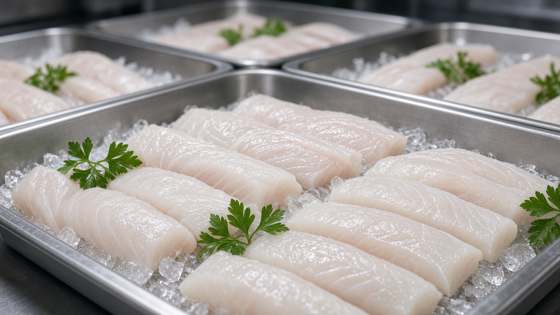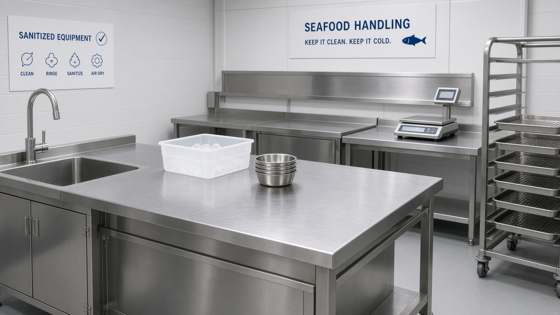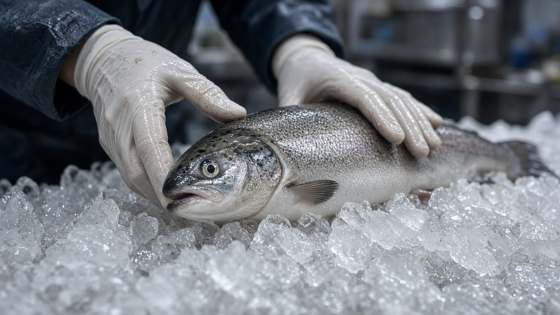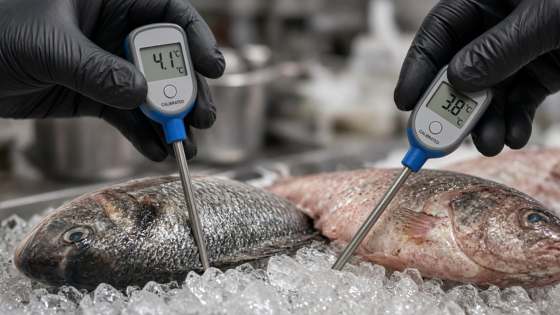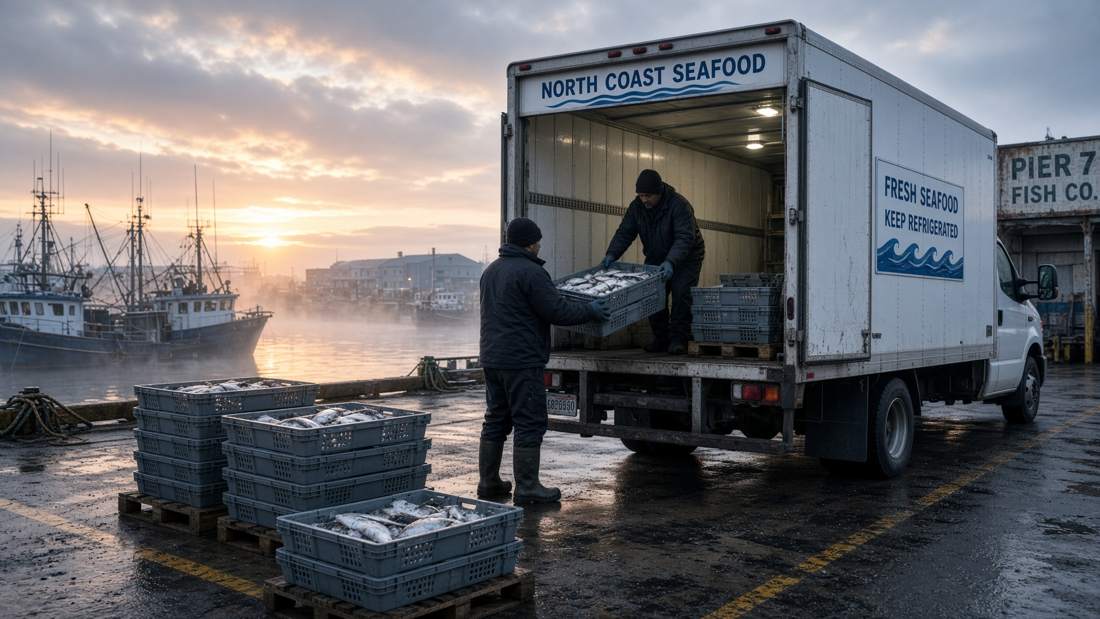
The ideal storage temperatures for fresh fish are lower than most home refrigerators actually run. Federal food safety guidance sets the refrigerator limit at 40 F (4 C) or below, but fresh fish keeps its quality best when held as close to freezing as possible, around 32 F (0 C), usually packed in ice. Every few degrees above that shortens the useful life of the fish.
Why Fish Needs Colder Storage Than Other Foods
Fish muscle is soft and moist, and its natural enzymes and surface bacteria start working as soon as the animal dies. Cold-water species are adapted to low temperatures, so their spoilage bacteria are also happy to grow in a refrigerator. A fillet held at 40 F will spoil noticeably faster than the same fillet held at 32 F. That is why professionals keep fish on ice rather than simply in a cold room.
Some fish carry an additional risk. Species such as tuna, mackerel and mahi-mahi can develop histamine if they warm up, and cooking does not destroy it. For these fish, temperature control is a safety matter and not just a quality one. Our guide to histamine and scombroid poisoning prevention covers the details.
The Ideal Storage Temperatures for Fresh Fish at a Glance
| Situation | Temperature |
|---|---|
| Fresh fish packed in ice | Near 32 F (0 C) |
| Home refrigerator (maximum) | 40 F (4 C) or below |
| Home freezer | 0 F (-18 C) |
| Danger zone for bacterial growth | 40 F to 140 F (4 C to 60 C) |
| Safe minimum cooking temperature | 145 F (63 C) |
The FDA recommends keeping an appliance thermometer in your refrigerator because built-in dials are often inaccurate. See its page on refrigerator thermometers and cold facts about food safety.
Ideal Storage Temperatures for Fresh Fish: Fridge Placement
The back of the lowest shelf is usually the coldest, most stable spot, while the door is the warmest because it swings open all day. Place fish on a tray or in a sealed container so juices cannot drip onto produce or cooked food. Do not store it on the door, and avoid cramming the refrigerator so full that air cannot circulate.
How to Build a Home Ice Bed
If you buy fish for the weekend and want the best possible quality, the ice method is simple and cheap.
- Choose a shallow, lidded container with a perforated insert or a rack, set inside a larger pan.
- Fill the bottom of the pan with crushed ice.
- Wrap the fish in plastic wrap or place it in a sealed bag so it never sits in meltwater.
- Lay the wrapped fish on the ice and cover with more ice.
- Drain meltwater and refresh the ice at least once a day.
The wrapping matters because direct contact with meltwater can leach flavor and soften the flesh. How long you can keep fish this way is covered in how long seafood can stay on ice.
Shopping and Transport Temperatures
Your storage chain begins at the store. Pick up fish last, ask for a bag of extra ice if the drive is more than a short one, and put it directly into the refrigerator on arrival. Never leave seafood in a hot car. The general rule is that perishable food should not sit out for more than two hours, or one hour once the surrounding air passes 90 F. You can see the full set of basics on the FDA's safe food handling page.
Rules of Thumb for Different Products
- Whole fish and fillets: refrigerate right away and plan to cook within one to two days of purchase unless your fishmonger advises otherwise.
- Live shellfish: keep cool and breathing, not sealed in water or airtight bags. See shellfish storage for clams, mussels and oysters.
- Cooked leftovers: refrigerate promptly and use within a few days.
- Anything you will not use soon: freeze it while it is still fresh.
When Temperatures Slip
If fish has spent more than two hours in the danger zone, throw it out. If you are unsure how long it was warm, throw it out. A fish that smells sharply sour, ammonia-like or fermented, or feels slimy and sticky, is also past use. Trust your nose and your thermometer together, and when in doubt, discard.
Freezer Storage and the 0 F Target
A freezer set at 0 F (-18 C) stops bacterial growth, but it does not stop slow quality loss. Over months, fat in fish oxidizes and the surface dries, which shows up as freezer burn: pale, leathery patches and a stale taste. Lean fish such as cod and haddock hold up longer than oily fish like salmon or mackerel. Wrap portions tightly, press out air, label with the date, and keep the freezer closed as much as possible so the temperature stays steady.
Frequent door openings and a freezer packed with warm items both raise the temperature. If your freezer has a frost-free cycle, temperatures inside swing a little during defrost, which is another reason to wrap fish well. For method details, see freezing fish techniques for quality retention.
Checking Your Appliances
Place a thermometer in a glass of water on the middle shelf of the refrigerator and leave it overnight, then read it in the morning. For the freezer, place a thermometer between packages. If either reads high, adjust the dial a small step and test again the next day. A reading creeping above 40 F in the refrigerator is a reason to move perishable seafood to a cooler with ice until the appliance is fixed. The FDA fish and fishery products hazards and controls guidance shows how heavily commercial handlers rely on temperature control for exactly this reason.
Putting the Numbers to Work
Buy a five-dollar thermometer, set your refrigerator at or below 40 F, and treat ice as the better option when the fish matters. Those small habits turn the ideal storage temperatures for fresh fish from a chart into a routine, and they pay off every time you open the package and find firm, clean-smelling flesh.