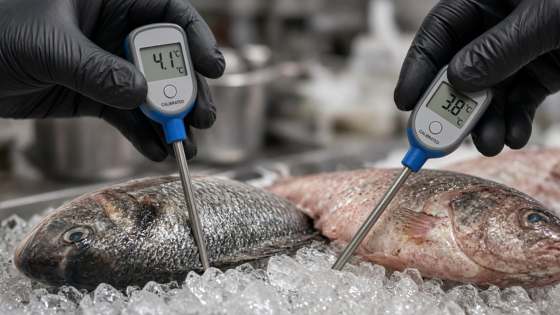
Scombroid poisoning prevention starts at the fish counter and ends in your fridge, because the histamine behind it forms when certain fish sit too warm, and no amount of cooking, smoking or freezing destroys it afterward. The fish often looks and smells normal, which is why a cold chain you can trust matters more than any sniff test.
What Scombroid Poisoning Is
Some fish, including tuna, mackerel, bonito, mahi-mahi, bluefish, sardines, anchovies and amberjack, naturally contain high levels of the amino acid histidine in their muscle. When the fish is not chilled quickly after catching, bacteria convert histidine into histamine. Eat enough of it and you get symptoms that resemble an allergic reaction, which is why the illness is often mistaken for a fish allergy.
Typical symptoms start within minutes to a couple of hours of eating: flushing of the face and neck, a headache, a tingling or peppery sensation in the mouth, hives or rash, sweating, nausea, diarrhea and sometimes a racing heart. Most cases pass within hours, but anyone with trouble breathing, chest pain or a severe reaction should get medical help immediately. If several people who shared a meal are ill, tell the store or restaurant so others are not affected.
Why Cooking Does Not Make It Safe
Histamine is heat-stable. Grilling, frying, canning and freezing do not break it down, so you cannot fix a badly handled fish in the kitchen. A mild peppery taste in tuna or mackerel has been reported in some cases as a warning, but not every contaminated fish tastes odd, so never use it as a test. If a piece tastes sharp or tingly, stop eating it and throw the rest away.
Which fish matter most for scombroid poisoning prevention
- Tuna, including steaks, canned and pouch products from poorly handled lots
- Mackerel, bonito and Spanish mackerel
- Mahi-mahi (dolphinfish) and amberjack
- Bluefish, sardines, anchovies and herring
Salmon and cod do not carry the same level of risk. That said, the general rule of cold, fast handling applies to all fish.
Scombroid Poisoning Prevention When You Shop
- Buy these fish from a seller who keeps them well iced or refrigerated, with fish nestled in clean ice rather than sitting in a puddle at room temperature.
- Check the basics in our guide to recognizing freshness in fish: bright color, a clean smell, firm flesh.
- Ask when it arrived. A busy shop with fast turnover is a good sign.
- Bring a cooler bag with ice packs for the trip home, especially in summer. See transporting seafood in personal vehicles for tips.
- Avoid fish that has been thawed and refrozen or left out on a counter by the seller.
At Home: Storage Habits That Protect You
Get the fish into the fridge or freezer promptly. The FDA advises keeping refrigerated food at 40 degrees F (4 C) or below, and the fish should stay cold for the whole trip from shop to table; see ideal storage temperatures for fresh fish. Cook or freeze it within a day or two. Do not leave it out for more than two hours, or one hour in hot weather. Thaw frozen tuna in the fridge, not on the counter.
If you catch your own mackerel, bonito or tuna, chill it immediately on plenty of ice. Fish left sitting in a warm boat or car is exactly how histamine forms. Rapid chilling is the single most effective control, and it is the reason commercial sellers are expected to follow time and temperature limits. The FDA explains these controls in its fish and fishery products hazards and controls guidance, written for industry but useful if you want the background.
A Note on Canned and Frozen Fish
Canned tuna and sardines sold by reputable brands are generally handled under strict controls. Frozen fish is safe if it was chilled promptly before freezing, but freezing cannot undo damage done earlier. If you are pregnant, elderly or have a weakened immune system, the FDA's advice about eating fish covers which species suit you best.
In short, histamine and scombroid poisoning prevention is about cold, fast and trusted: chill early, buy from reliable sellers, keep the fish cold at home and discard anything that tingles on your tongue.